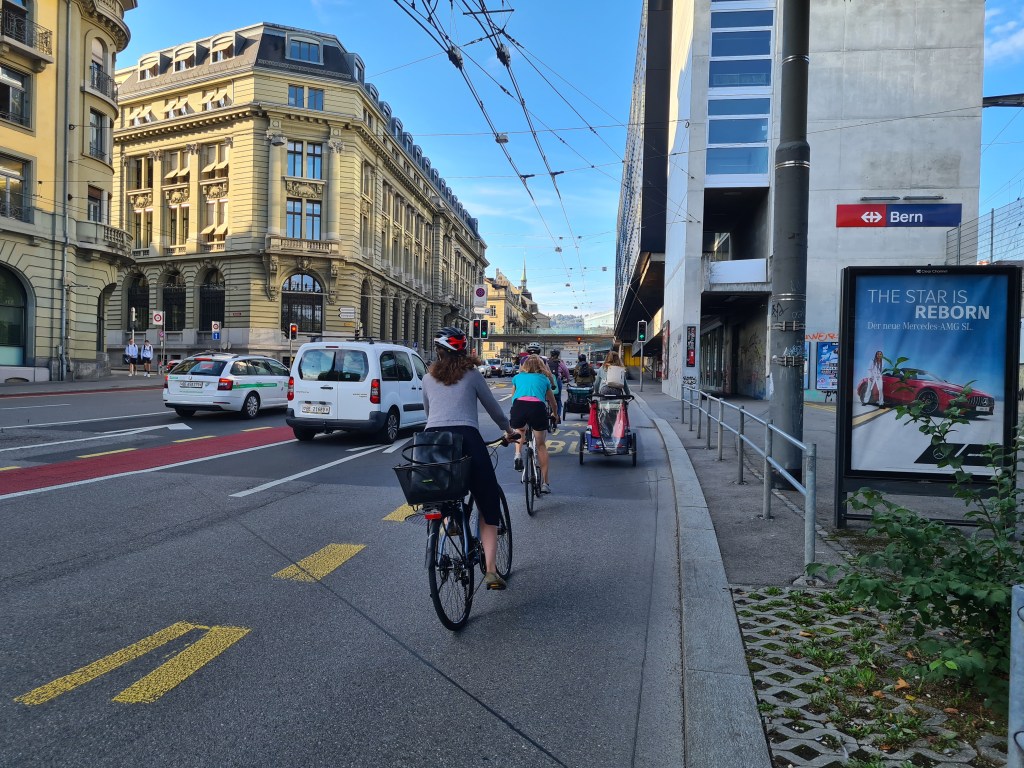
הולנד!

אחרי לוקסנבורג, רכבתי דרך מזרח בלגיה אל עבר הולנד. אני מקווה לחזור אל בלגיה בפוסט הבא, אז לא ניכנס פה לפרטים יותר מדי. אבל בשלב הזה, אם לא הייתי טורח להסתכל במפה מדי פעם, בלב ה"עתיק" של איחוד האירופי, כבר ממש לא היו כמעט אינדיקציות שאני חוצה בין מדינות, מלבד שורה של עמודונים היסטוריים בין לוקסנבורג לבלגיה.
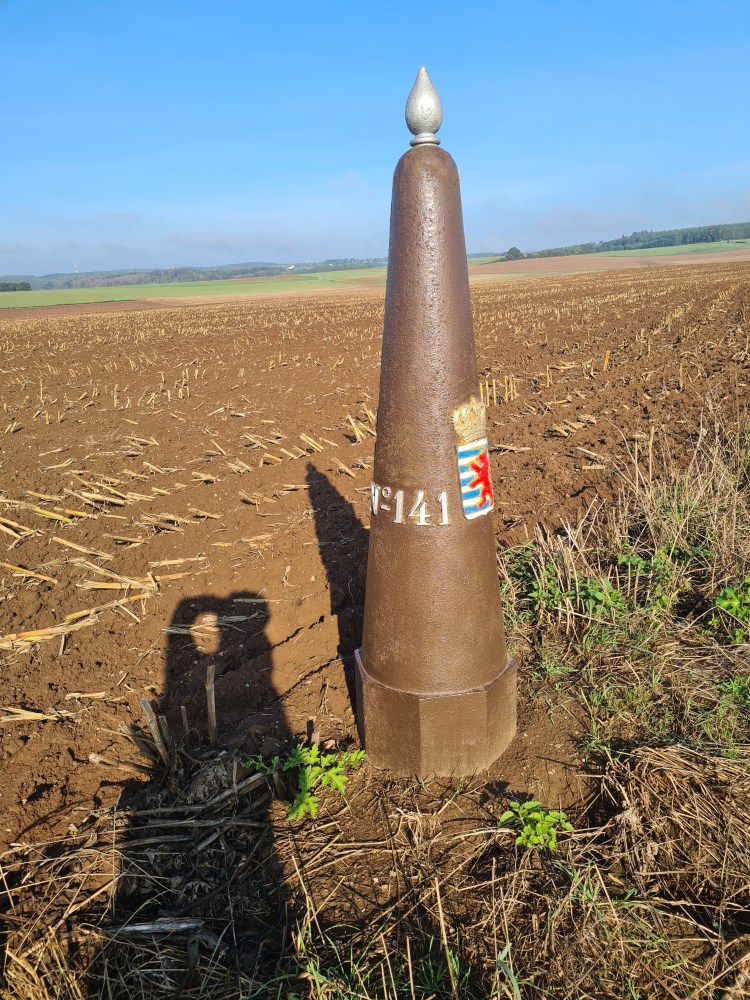
גבול לפניך

את הגבול בין בלגיה להולנד חצינו על מעבורת, ראשונה מיני רבות (בשלב הזה רכבתי עם ג'ואנה, ידידה מהאקוטופיה שגרה בבלגיה. אקוטופיה זו קבוצה אנרכיסטית שרוכבת ברחבי אירופה מדי שנה, ואני באתי להצטרף כדי לראות כמה חברים וגם מה העניין, והכרתי שם קבוצה מאוד מעניינת של אנשים, ודרך שונה לחלוטין להתנהל בקבוצה. הייתי כותב על אקוטופיה יותר, אבל דניאל כבר כתב על זה מלא (1,2,3), אז תקראו אצלו). בכל מקרה, בתור מדינת רוויות תעלות ומים, אתה נתקל בלא מעט מעבורות מקומיות. לא פעם אפליקציית הניווט שלי (בשלב הזה התחלתי להשתמש בmapy.cz, שהיא טובה יותר מmaps.me) אל נהר, ואני ברגע הראשון מתבלבל ותוהה איפה לעזאזל הגשר, רק כדי למצוא מעבורת קטנה, לפעמים בתפעול עצמי.

מאסטריכט

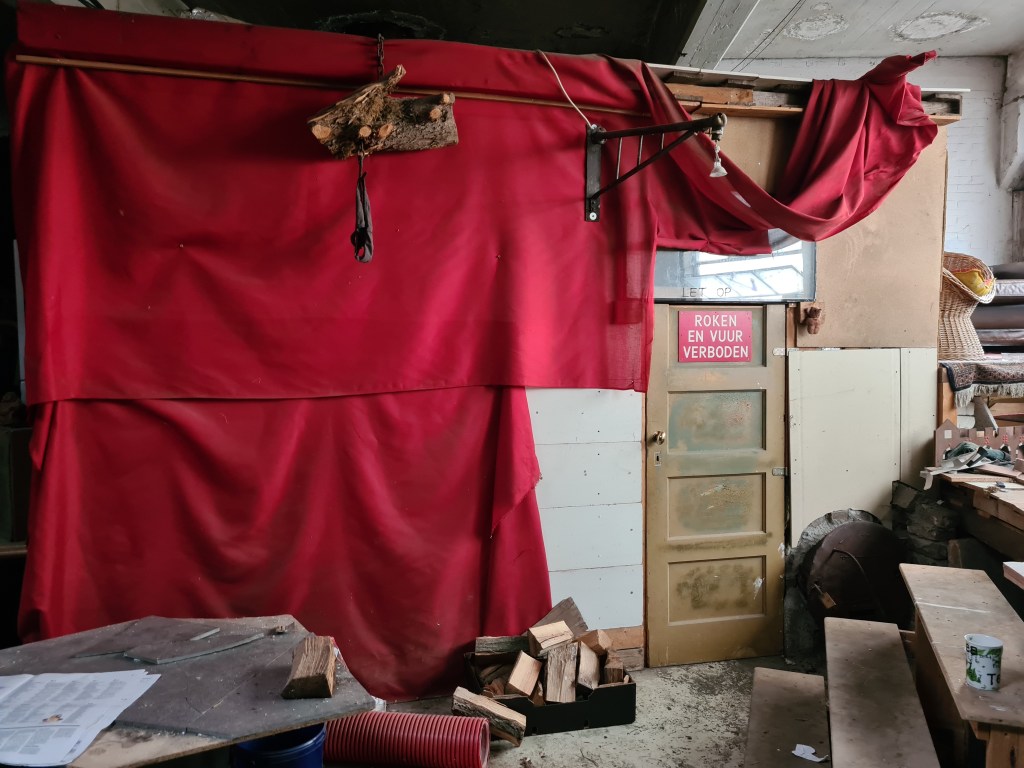
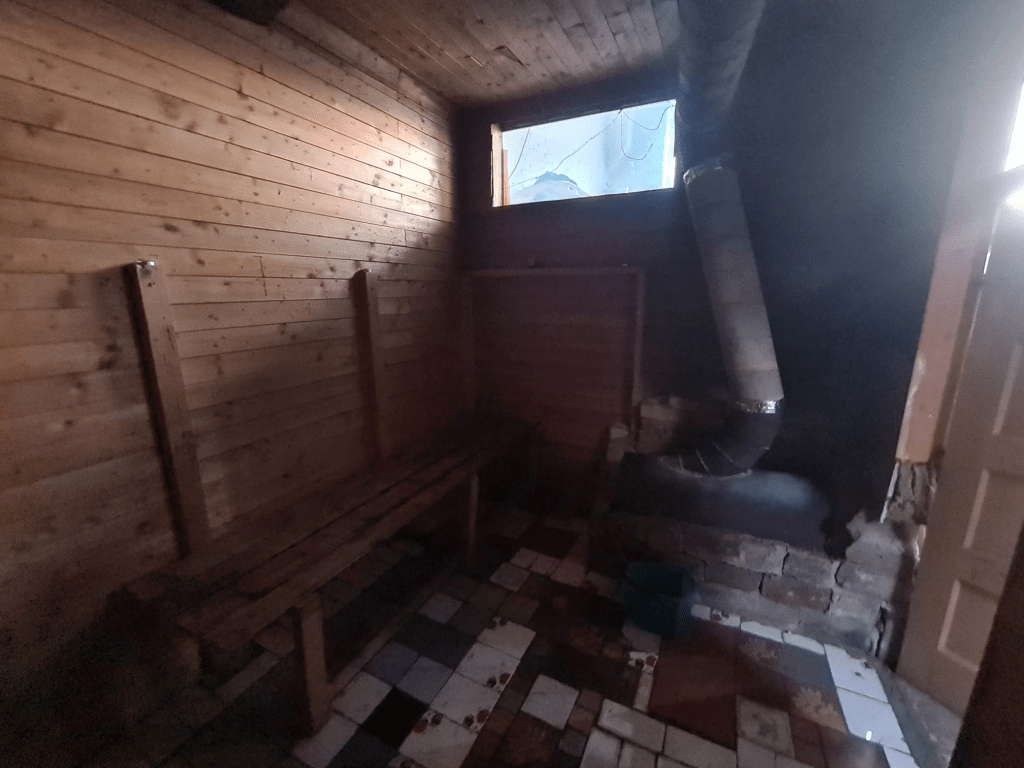
העצירה הראשונה שלי בהולנד היתה במאסטריכט, שם חברה סידרה לנו מקום בסקווט הראשי של מאסטריכט, הlandbouwbelang (או הLBB, בקיצור). סקווטינג (squatting), למי שלא מכיר את המושג, הוא הפעולה של להיכנס באופן לא חוקי (או חוקי למחצה) לבניין נטוש ולגור בו. ברחבי העולם זה לרוב נעשה מתוך עוני וחוסר ברירה, כי זה או זה או לחיות ברחוב, אבל באירופה הרבה סקווטים הם גם חלק מתפיסה פוליטית והופכים למרכזים של תרבות אלטרנטיבית (כמו למשל "המפעל" בירושלים, שהתחיל כארגון שנקרא "בית ריק", שיצר אירוע סקווטינג שנתי שנדד ברחבי ירושלים). בליון, כחלק מהאקוטופיה, חנינו בסקווט מהסוג הקלאסי, בניין נטוש שנכנסו אליו 48 מהגרים מגינאה (ואירחו אותנו בחצר, עם העכברושים והכל). הLBB לעומת זאת בהחלט היה סקווט מהסוג השני. זו ממגורת חיטה ישנה ונטושה על שפת נהר הMeuse* שכבר 20 שנה מהווה סוג של המרכז התרבותי האלטרנטיבי המרכזי (אני מודע לאוקסימורון פה) של מאסטריכט. מעבר לקהילה של הדיירים שגרה בו, מארח שלל יוזמות תרבותיות וחברתיות, כמו סטודיואים של אמנים, הופעות, מסיבות, בנק מזון, סדנאות בישול טבעוני, חקלאות עירונית ועוד. למרות שהמקום עדיין שומר על האסטתיקה של סקווט קלאסי, זה מקום די מסודר – יש אתר אינטרנט, יש ישיבות דיירים,  חדר אורחים (שם אנחנו התארחנו), חדר כושר ואפילו סאונה DIY (!).
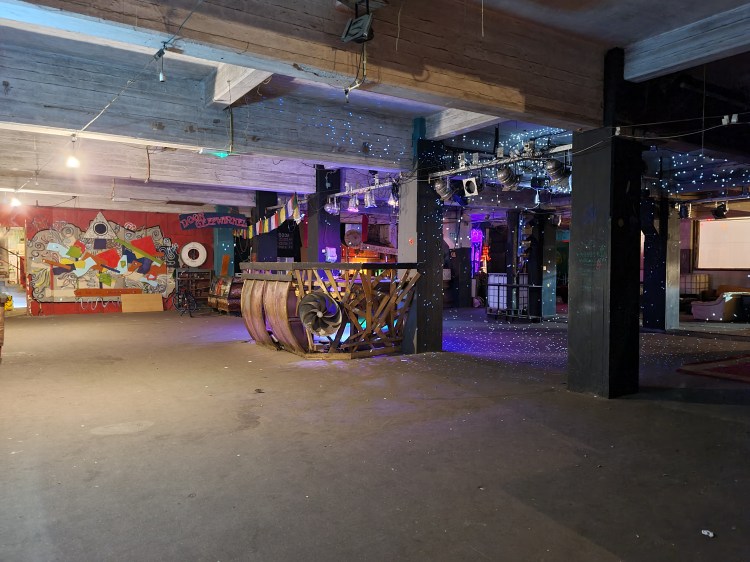
הLBB

היחסים של הLBB עם עיריית מאסטריכט הם מורכבים ונראה שלמרבה הצער, הLBB יגיע בקרוב לסוף דרכו- שינויים בחוקים שנוגעים לסקווטים בהולנד יחד עם יוזמה לבנות בנייני דירות על המאס (הLBB יושב במקום מאוד מרכזי) כנראה יביאו לפינוי שלו בשנה הקרובה. שזה עצוב מאוד, אבל 20 שנה is a good run לסקווט. אני חושב שעירייה חכמה יותר היתה מכירה בערך התרבותי שהמקום מביא לעיר, ואולי היתה מוצאת איזה פתרון עבורו, אבל נראה שמהסיבות שלהם, זה לא הכיוון.

מאסטריכט עצמה היא ממש מעניינת- היא עיר אוניברסיטה די רצינית, מקום ההולדת של היורו ונחשבת לעיר "הנהנתנית" של הולנד ( או כמו שהם קוראים לזה – the burgundy lifestyle). דרומית לה נמצאת מערכת מנהרות משוגעת, שהיא למעשה מחצבה תת קרקעית בת מאות שנים (200 ק"מ של מנהרות!), ששימשה לאורך השנים גם למגורים, מסתור, חקלאות פטריות ולהסתיר טנקים וציורים של רמברנט מהגרמנים. וכמובן, גם את מאסטריכט לואי ה14 בא וכבש.

הערות שוליים

*או כמו שקוראים לו בהולנדית- המאס, וזה מן הסתם המקור לשם של העיר ."טריכט" זו התגלגלות של המילה בלטינית לחצייה של נהר (אותה מילה שהתגלגלה למילה trajectory באנגלית), מה שהיה קל לעשות באיזור הזה, וזו בערך הסיבה שהתפתחה שם עיר.

איידהובן – טק, סמים וכנסיות ריקות

אל איידהובן הגעתי באחר צהריים שמשי, הראשון מזה כמה ימים טובים, ופגשתי את המארח שלי לאותו יום, סר פטריק סטיוארט, אה, כלומר, הנק, שישב ושתה בירה עם חבר שלו האנס על מדרגות של  כנסייה לשעבר.
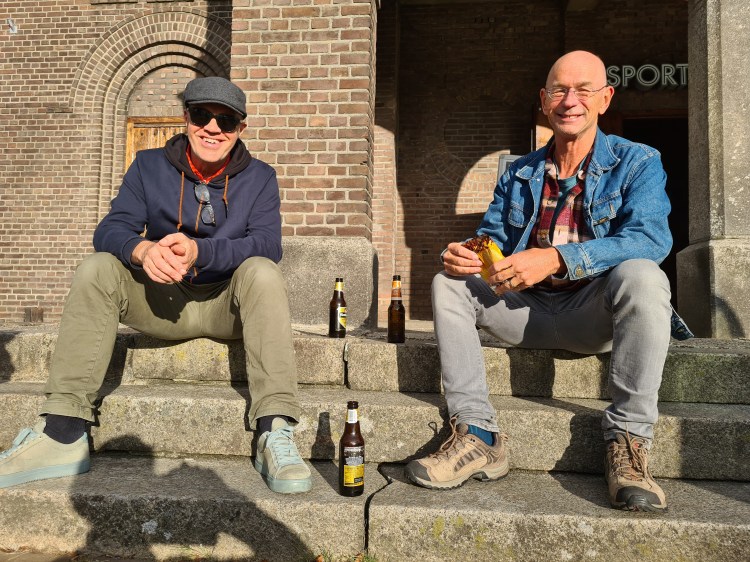
הנק והאנס. כשאמרתי לו שבטח כבר נמאס לו שאנשים אומרים לו שהוא דומה לפטריק סטיוארט, הוא אמר שהוא לא יודע מי זה

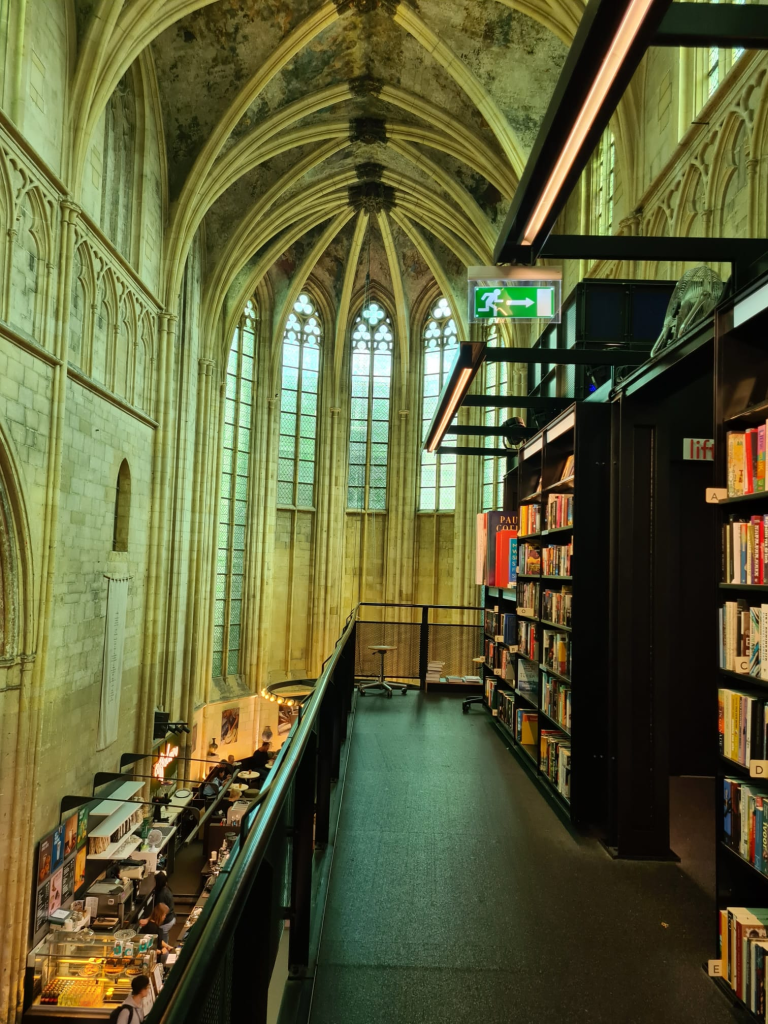
אני חושב שהמשפט ששמעתי הרי הרבה בהולנד היה המשפט "המבנה הזה היה פעם כנסייה, אבל עכשיו הוא  X" כאשר X יכול להיות בניין מגורים, פאב, משרדים,  גיי-באר, חנות ספרים (מרהיבה) או מקום לעשות מסיבות רייב (רוטרדם 3>). במקרה הספציפי של הכנסייה לשעבר שהנק ישב מחוצה לה, מדובר בחדר כושר. ממקדש האל למקדש הגוף, אם נרצה להיות פואטיים (יש לי עוד הרבה קלישאות כאלה, אבל אני אחסוך ממכם). יש לציין שכן יש קפלה (=חדרון) קטן בכניסה שעדיין משמש את החמישה אנשים שעוד מגיעים להתפלל.
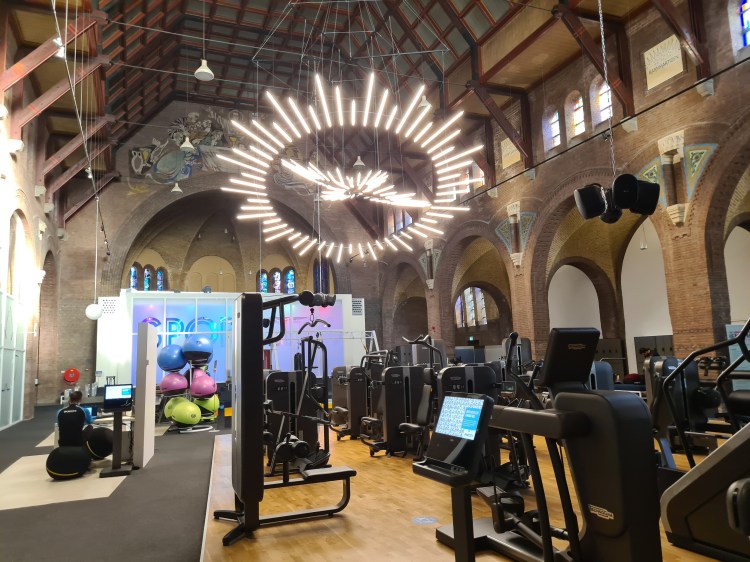
תנו כותרת!

צרפת נחשבת ה"רפובליקה החילונית" באירופה, אבל מבחינת הצבעה ברגליים, ההולנדים אפילו יותר חילונים מהם, עם פחות מ5% מהם שמבקרים בכנסייה פעם בחודש (בניגוד ל6% מהצרפתים שמבקרים פעם בשבוע). עוד מאפיין של ההולנדים, לפחות לדבריהם, הוא שהם מאוד, אהמ, מוכווני יעילות ורווחים, ובעוד שכנראה שמספר הכנסיות הריקות במדינות השכנות לא קטן בהרבה, מישהו אמר לי שבהולנד זה פשוט חבל בעיניהם שהבניינים האלו יעמדו ריקים וללא שימוש.
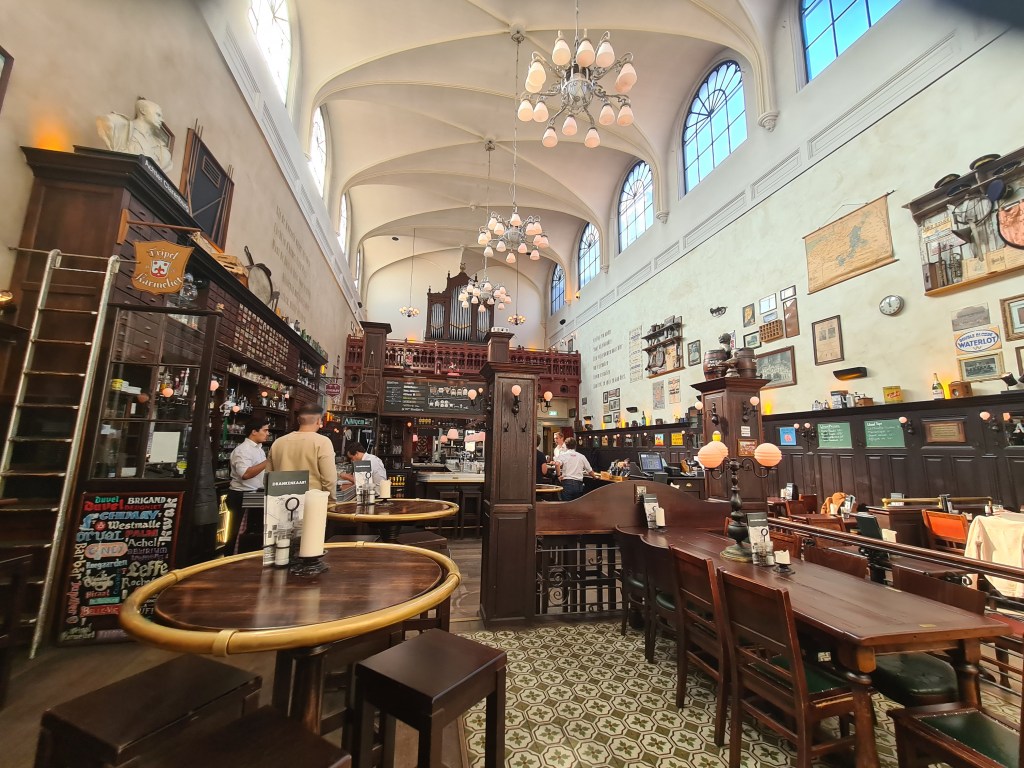
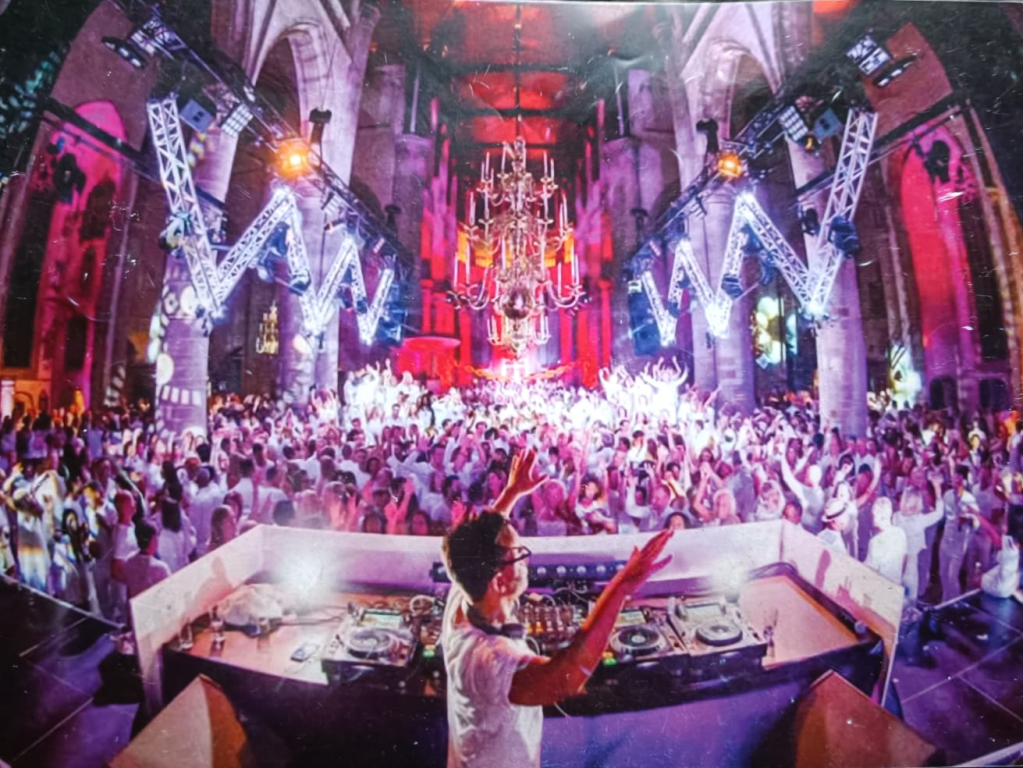
רוטרדם – מסיבת טכנו בקתדרלה
חנות הספרים הדומיניקנית במאסטריכט

איידהובן עצמה היא כנראה אחת הערים העשירות בהולנד- זו העיר שבה חברת פיליפס נולדה והיא עדיין נחשבת Philips -town, ויש לה מגזר הייטק משגשג. בראש מגזר ההייטק הזה עומדת ASML, שעבורי, בתור מי שעבד בתעשייה של ייצור שבבים, היא מעניינת במיוחד. בלי להיכנס לפרטים יותר מדי טכניים, תהליך ייצור שבבים מורכב מהרבה מאוד שלבים מסובכים להחריד, ו-ASML מייצרת את המכונות שאחראיות לשלב הכי מסובך, הליטוגרפיה, שבעצם מהווה את צוואר הבקבוק הטכנולוגי הכי משמעותי בתהליך המיזעור (כלומר השיפור) של השבבים. לרוב החברות בתעשייה הזו יש תחרות, וכמעט כל מכונה היא ברת תחליף במכונה של חברה מתחרה (חוץ מהמכונה שאני עבדתי עליה, האמת). גם בתחום של הליטוגרפיה יש כמה חברות מתחרות, אבל אף אחת מהם לא יודעת לעשות את מה שASML יודעת, מבחינת הטכנולוגיה. הם נמצאים הרבה יותר קדימה מכל היתר, מה שהופך אותם לסוג של מונופול, ומאפשר להם למכור מכונות שעולות כמו 3 מטוסי קרב כל אחת. האנס, חבר של הנק, הוא פעיל רציני במרד ההכחדה, ואני אמרתי לו (בצחוק! בצחוק!) שאם הם באמת רוצים לעשות משהו משמעותי, שיפוצצו את ASML, וזה יעצור בחריקת בלמים את תעשיית השבבים (שהיא, אגב, אחת התעשיות הכי מזהמות שיש).

ואם כבר מדברים על א' שינויי ייעוד של מבנים וב' דברים לא חוקיים, מסתבר שתעשייה לא הרבה פחות גדולה מ ASML ופיליפס באיידהובן היא תעשיית סמים הלא חוקיים הסינטטיים שמיוצרים באיזור הזה של דרום הולנד. הנק סיפר לי שזה בדרך כלל מיוצר בכל מיני חוות יחסית נידחות שאתה ממש לא רוצה להתקרב אליהן, או בגאראז'ים, אבל לפעמים יצרני הסמים לוקחים איזה זוג תמים למראה שישכור בית רגיל, במזומן, ואז המאפיה לוקחת את הבית הזה, gut him והופכת אותו למעבדה לבישול סמים לאיזה חצי שנה בלי שהבעלים ידע מזה. הבעלים מגלה רק אחרי שהמשטרה פושטת על הבית ו/או שהם בורחים משם, ונשאר עם בית מפורק. יש גם לא מעט מקרי רצח או סתם "תאונות עבודה". הרבה פחות משעמם באיידהובן ממה שחשבתי!

אוטרכט-אמסטרדם-האג

מאיידהובן המשכתי לאוטרכט, שנחזור אליה בהמשך, ומשם לאמסטרדם. אין לי שום דבר מעניין להגיד על אמסטרדם שאתם לא יודעים, ותכל'ס את רוב הזמן שלי שם ביליתי עם אצל זוג שהכרתי בדרום אמריקה בזמנו והיה כיף למדי ולא עשיתי יותר מדי. משם רכבתי בגשם שוטף להאג, כולל ביקור לחוף הים הצפוני, שם יכולתי להגיד לראשונה שחציתי את אירופה!

בהאג העברתי ערב משעשע עם טים, בחור הולנדי ויקינגי למראה שרכב מהולנד לסינגפור לפני כמה שנים (עם איזה קפיצה או שתיי בדרך). המעניין בסיפור שלו הוא שבין היתר, הוא גם מאובחן כאוטיסט (אם כי, ואני אומר את זה כמישהו שמבין באופן אפסי באוטיזם, ככל הנראה בתפקוד די גבוה). הוא אמר שהאתגר העיקרי בלטייל כשאתה אוטיסט הוא לקבל החלטות, כי אתה כל הזמן מנסה לעשות אופטימיזציה להחלטות שלך. אמרתי לו שאו שזו בעיה אנושית רחבה יותר ממה שהוא חושב, כי גם אני חווה את זה כל הזמן, או ש, ובכן.
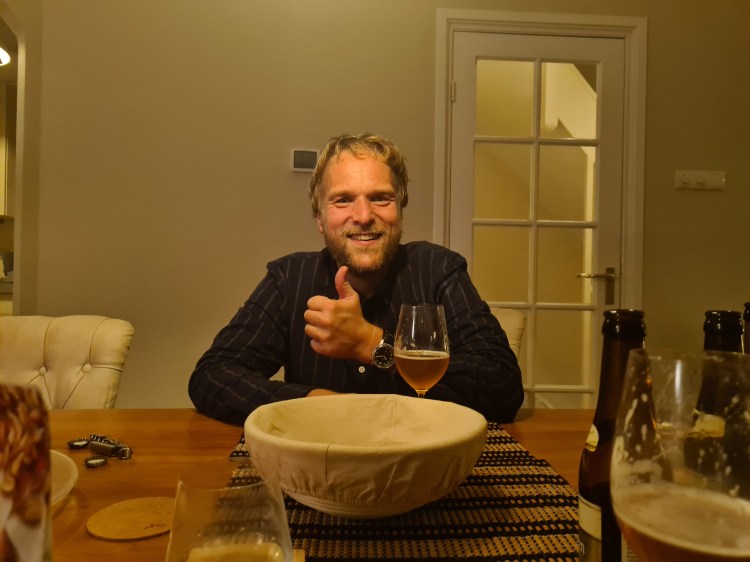
טים. הבנאדם מבשל מעולה

רוטרדם

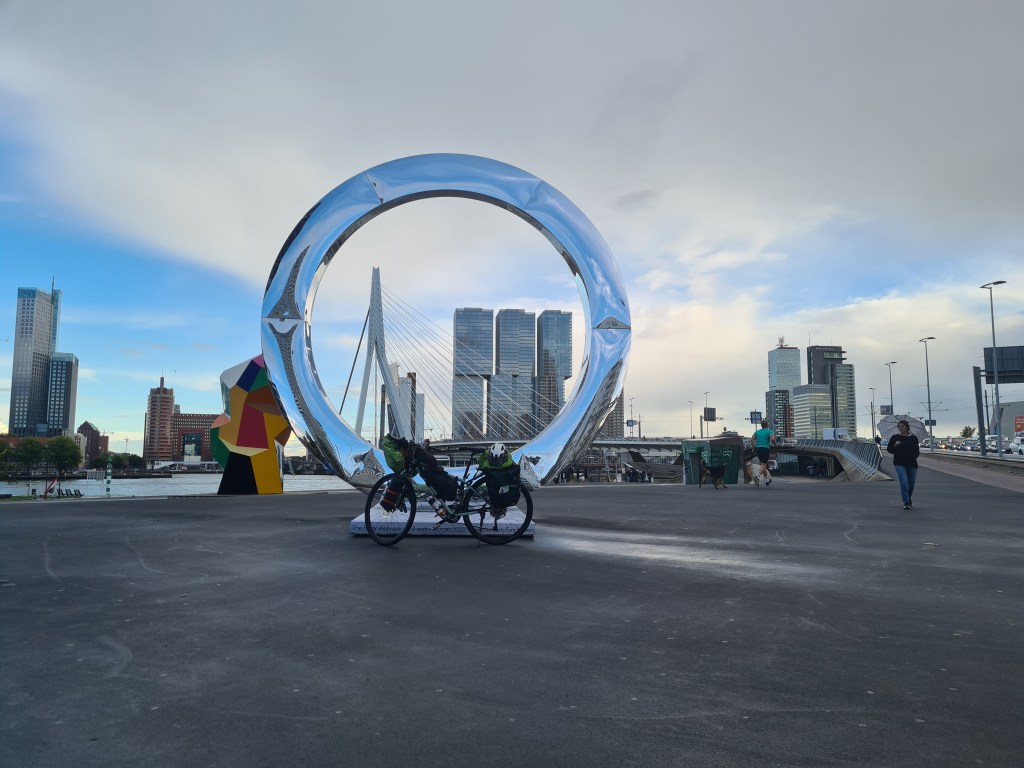
מהאג רכבתי לרוטרדם, כנראה העיר האהובה עלי בהולנד. רוטרדם, מעצם מושבה על גישה מאוד נוחה גם לנהרות אירופה (עוד שפך של הריין) וגם לאוקיינוס האטלנטי, היתה במשך מאות שנים עיר נמל גדולה, שער הכניסה לאירופה של כל סחורה אפשרית. למעשה, הנמל של רוטרדם היה במשך שנים ארוכות הנמל הגדול בעולם. הוא עדיין הנמל הגדול באירופה (עם אנווטרפן במקום שני), אם כי ב2004 הוא איבד את הבכורה העולמית וכיום הוא באיזה מקום 14, אחרי כל הנמלים בסין וביתר המזרח. בתור היותה עיר נמל, היא תמיד היתה עיר של עובדי צווארון כחול מצד אחד (אמירה נפוצה היא 

"Money is earned in Rotterdam, distributed in The Hague and spent in Amsterdam".)

 ומצד שני סבלה מתדמית sketchy  של עיר קצת מסוכנת.

במלחמת העולם השניה הגרמנים הפציצו לרוטרדם את הצורה באופן שאולי היה מקרי* וחירבו לחלוטין את מרכז רוטרדם, וההולנדים נכנעו מיד אח"כ. ואם זה לא היה מספיק גרוע, אחרי המלחמה העיר תוכננה מחדש בסגנון יותר "אמריקאי", עם כבישים רחבים יותר (אבל גם מדרכות רחבות יותר), ועד היום רוטרדם נחשבת לקצת יותר ידידותית לרכב וקצת פחות לאופניים בסטנדרטים הולנדים (שכמו בהאג, זה עדיין מאוד מאוד ידידותי ביחס לכל מקום אחר בעולם).

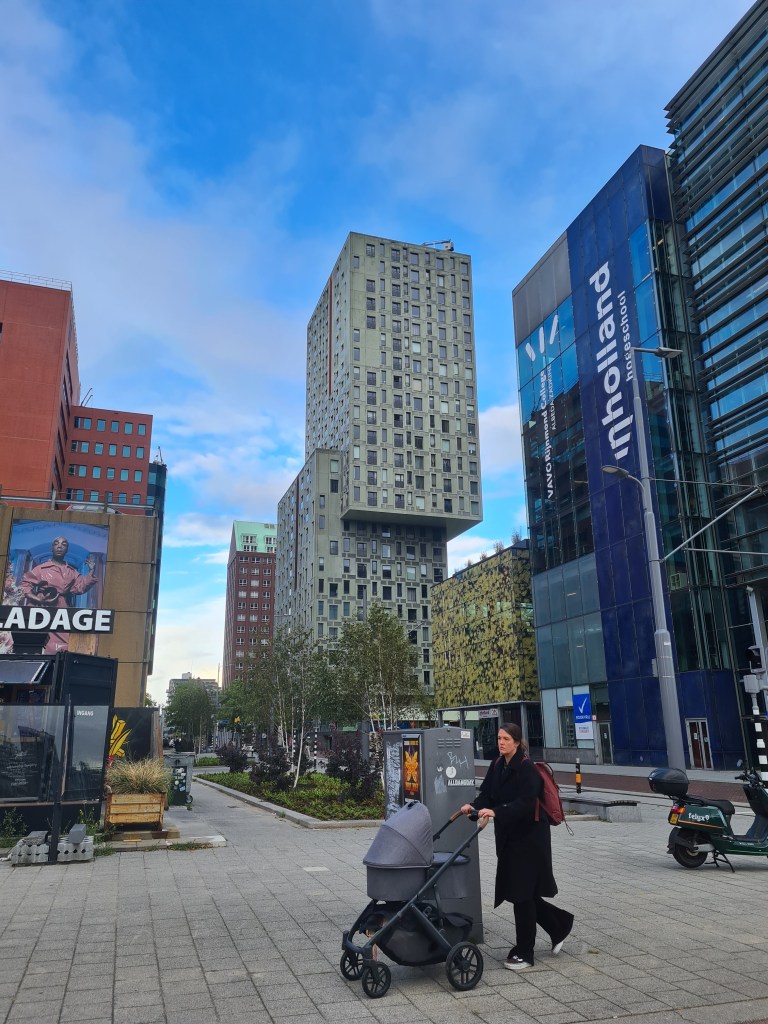
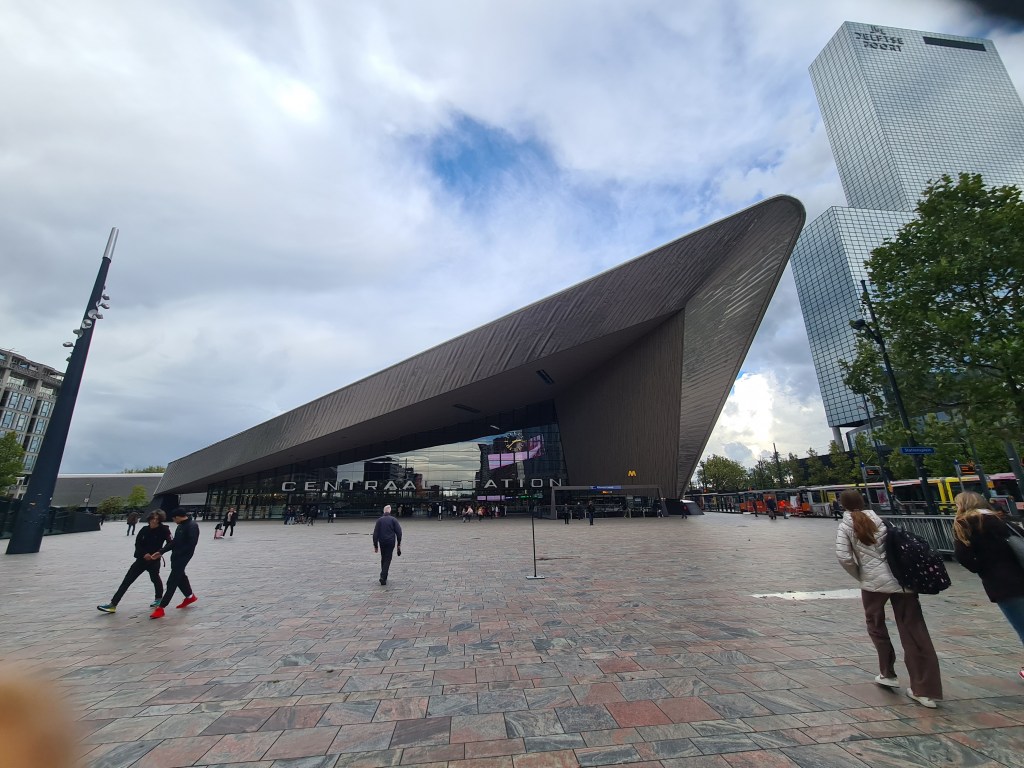
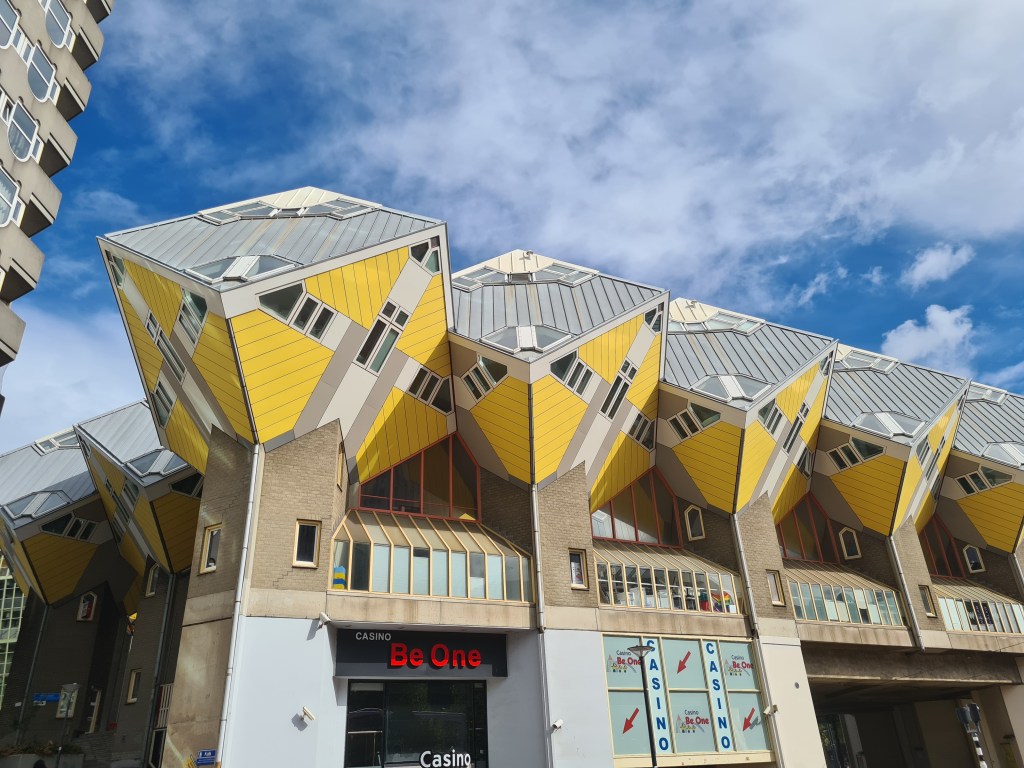
מה שכן, ההפצצות ששיטחו את מרכז העיר ההיסטורי, יחד עם התכנון המודרני, כנראה תרמו את המאפיין הכי מפורסם של רוטרדם- הארכיטקטורה המודרניסטית שלה. קשה להסביר מה הקשר הישיר, אולי הטאבולה ראסה הזו עודדה אותם לנסות שם דברים חדשים, ויכול להיות שההולנדים פחות סנטימנטלים ממדינות אחרות ששיחזרו את הערים ההיסטוריות שלהן די במדויק (כמו נניח ורשה), ואולי זה בכלל ההשפעה של בית הספר לאדריכלות שיושב בדלפט הסמוכה והוציא כמה מהסטארקיטקטים הידועים בעולם, אבל כך או כך רוטרדם, מבחינה אדריכלית, שונה באופן רדיקלי מכל עיר הולנדית אחרת, ומלאה בארכיטקטורה מאד ניסיונית (לפחות בחוויה שלי). רוטרדם היא המקום שבו הרבה חברות אדריכלות בינלאומיות גם יושבות וגם עושות קצת ניסויים וshowcasing. חלקם מוצלחים יותר, חלקם מוצלחים פחות, אבל כשאתה מסתובב ברוטרדם, ובכן, תמיד מעניין בעיניים. כתבת פרופיל על אחד מאדריכלי העל שיושבים ברוטרדם, נפתחת באמירה –
 If you put the last 50 years of architecture in a blender, and spat it out in building-sized chunks across the skyline, you would probably end up with something that looked a bit like Rotterdam
וזה נשמע פחות או יותר נכון.
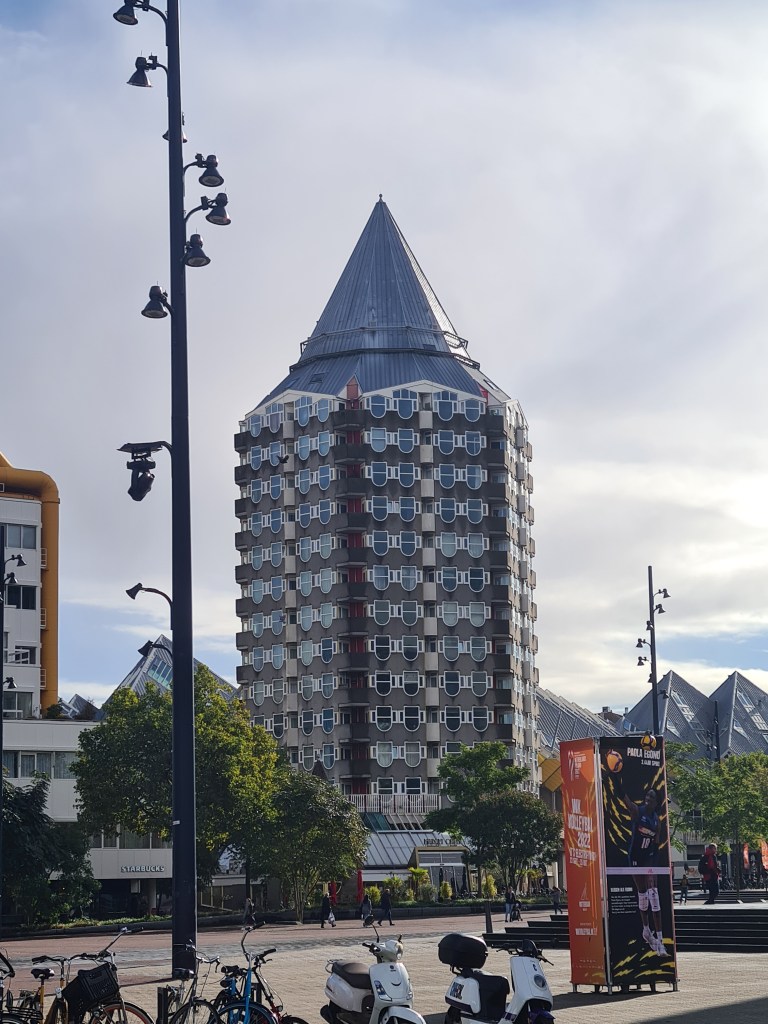
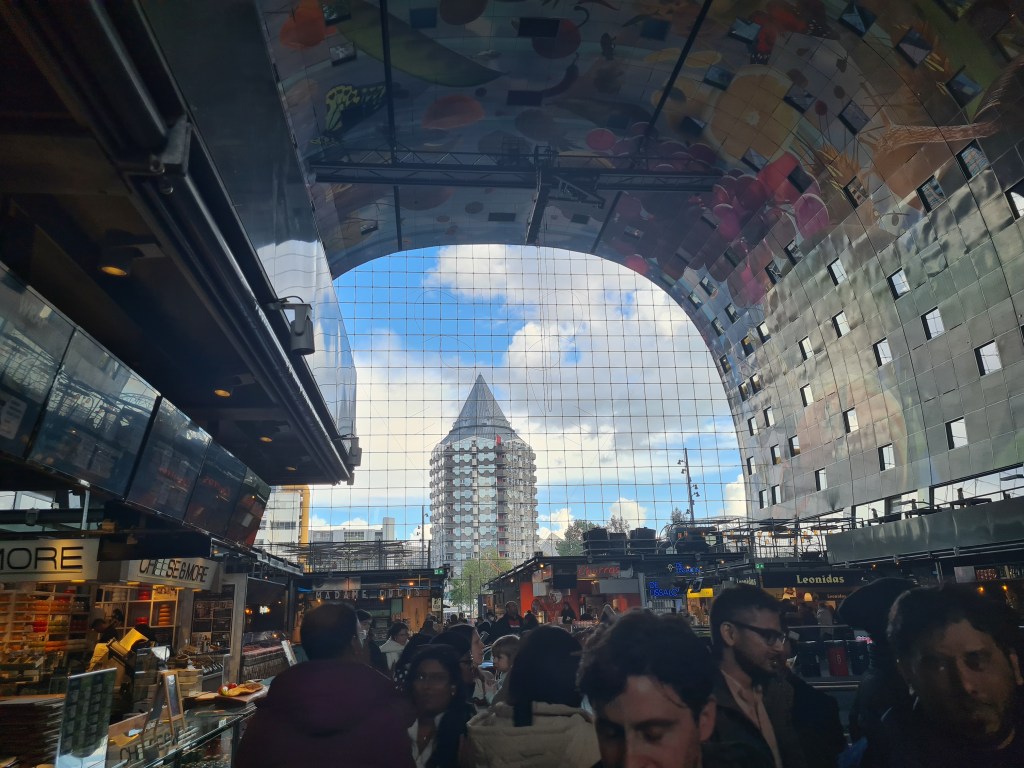
אבל הדבר האהוב עלי ביותר ברוטרדם, שאותו למדתי מ-מוויס (Mewis), המדריך בסיור הליכה שעשיתי שם (שגם הוא נמנה מבחינתי היה בטופ 5 של הסיורים שהיו לי בטיול) הוא המוטו העירוני שלהם – Sterker door strijd, או באנגלית – Stronger through struggle.
המוטו הזה  אומץ אחרי מלחמת העולם השניה, ואין ספק שזה משתקף היטב בהיסטוריה של העיר (ולא רק במלחמת העולם השניה). אני כמובן מזדהה עם זה באופן אישי, אתה לא יכול לצאת למסע ארוך על אופניים ולא להזדהות עם זה ברמה הפיזית והמנטלית. אבל כמו שמוויס אמר (שגם לו יש סיפור אישי שמשקף את זה), אני חושב שכולנו, או לפחות רובנו הגדול, עברנו שלב כזה או אחר שהיינו צריכים להיאבק בקושי כזה או אחר, אבל מהצד השני של זה יצאנו חזקים יותר או חכמים יותר. אני לא חושב שזה נכון באופן אבסולוטי, לפעמים לדרוך בקקי זה רק לדרוך בקקי, וזה מסריח ולא לומדים מזה כלום. אבל באופן כללי, כן, אני חושב אנחנו טובים יותר לא למרות הקשיים שניצבו בפנינו, אלא בגללם.

הערות שוליים

*זה קצת מורכב אבל לפי ויקיפדיה, הגנרל הגרמני בשטח הציע לצבא ההולנדי להיכנע, אבל לא חתם על הצעת הכניעה בעצמו, אז הגנרל ההולנדי לא קיבל אותה כי הוא חשב שזה לא רציני, ובינתיים חיל האוויר הגרמני לא בדיוק קיבל את ההודעה שהוא אמור לחכות עד שיסתיים המו"מ ופשוט הגיע. החיילים הגרמנים על הקרקע היו אמורים לירות נורים אדומים כדי לאותת לטייסים שהמו"מ עדיין מתנהל, אבל הם לא היו במקום המתאים כדי לירות אותם, או לפי גרסאות אחרות, עננות כבדה ועשן הסתירו את הנורים, והמטוסים רוקנו את תכולתם על רוטרדם. זה נשמע קומדיית טעויות אם זה לא היה טרגי. מצד שני, טענה לא פחות סבירה היא שבעוד שהמפקד בשטח לא היה מעוניין בהפצצה הזו, הרמן גרינג, שהיה מפקד חיל האוויר הגרמני בשלב הזה, רצה להעביר נקודה לגבי מה הם יעשו למי שלא ייכנע מיידית.

אופניים בהולנד!

כן, נו, חשבתם שאני לא אכתוב על אופניים בהולנד?

אז אחרי שהסיור בברן היה כזה הצלחה, שאלתי את אייל סנטו, האיש והקישורים, אם הוא במקרה מכיר אנשים מעניינים בהולנד שיכולים להיפגש איתי.

וכמובן שהוא מכיר.

אז היתה לי את הזכות לבלות כמה שעות טובות עם רוקסנדרה אלאניי ( Ruxandra Aelenei) באוטרכט ועם אריק טטרו (Erik Tetteroo) בהאג. שניהם עובדים כיועצים בנושאי תחבורה ומוביליות וגם קולגות בAmsterdam University for Applied Sciences, שם הם מרצים על הנושאים האלו. בקצרה, מדובר באנשים שמבינים עניין. וגם יצא לי לרכב כמה מאות קילומטרים ברחבי הולנד, וזה, ובכן, תענוג גדול בפני עצמו (כשלא יורד גשם)

אוטרכט

אז בואו נתחיל מאוטרכט.
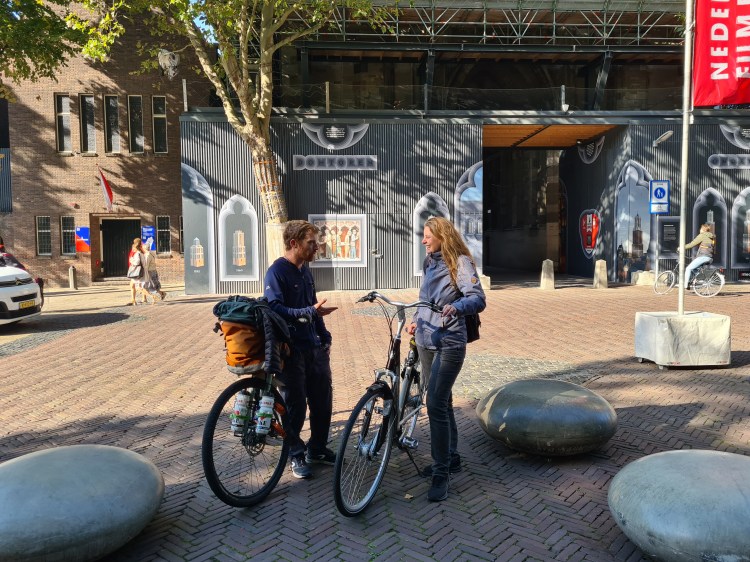
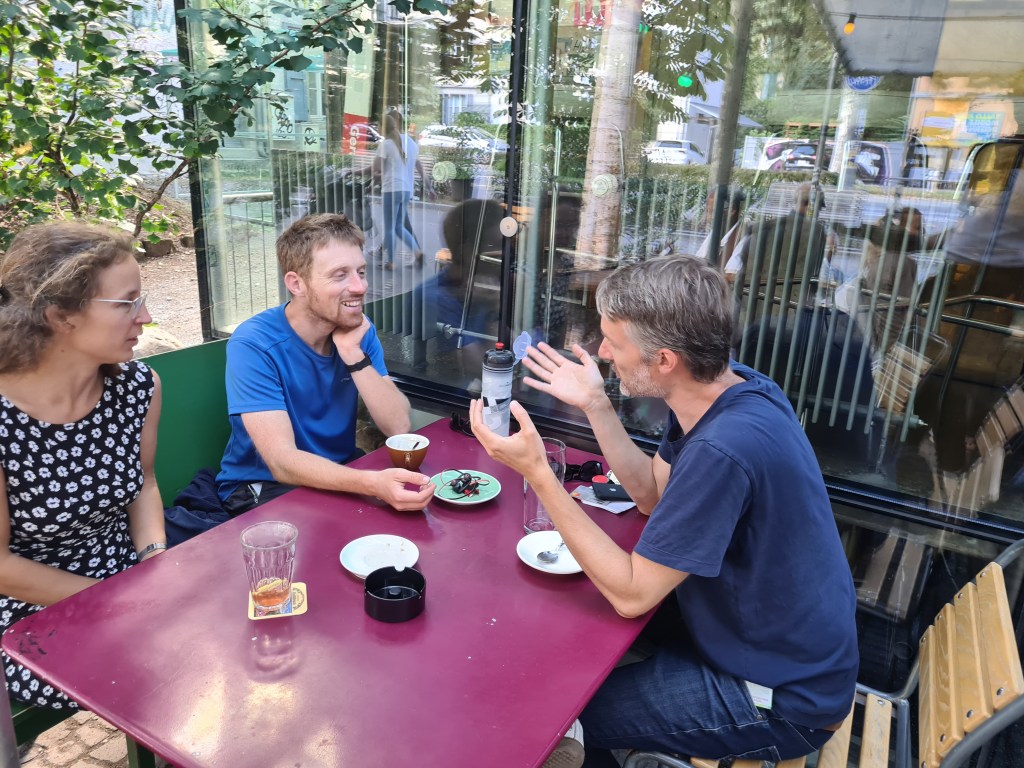
עם רוקסנדרה באוטרכט

אוטרכט היא אולי עיר האופניים הטובה בעולם. אומרים שכרוניגן, בצפון הולנד, היא אפילו טובה יותר, אבל לא הייתי שם כדי לשפוט (כרונינגן גם קטנה יותר). מה שבטוח, לעמוד בשעת העומס ברחוב Smakkelaarskade, בסמוך לתחנה המרכזית, רחוב האופניים העמוס בעולם, ולראות את כמויות הרוכבים שעוברות שם, ובכן, עבורי זה היה מפעים לא פחות מכל פסגה מושלגת שראיתי בדרך. השביל שמוביל לצומת הזו הוא שביל דו כיווני ברוחב של 4 מטרים, וגם הוא בקושי מכיל את כמויות הרוכבים שעוברות שם (קפצו לחצי השני של הסרטון הזה). המסות הקריטיות הכי גדולות שיצא להשתתף בהן היו בערך מה שעובר בצומת הזו בשני מופעי רמזור. למעשה, איתרע מזלי והייתי בהולנד בזמן יום שישי האחרון של החודש, מתי שבכל רחבי העולם יש מסות קריטיות. כלומר, בכל העולם מלבד הולנד, כי פה, כמו שהם אומרים בעצמם, כבר לא צריך רכיבות מחאה, אז פיספסתי עוד מסה קריטית באירופה (אבל השלמתי בלונדון!).

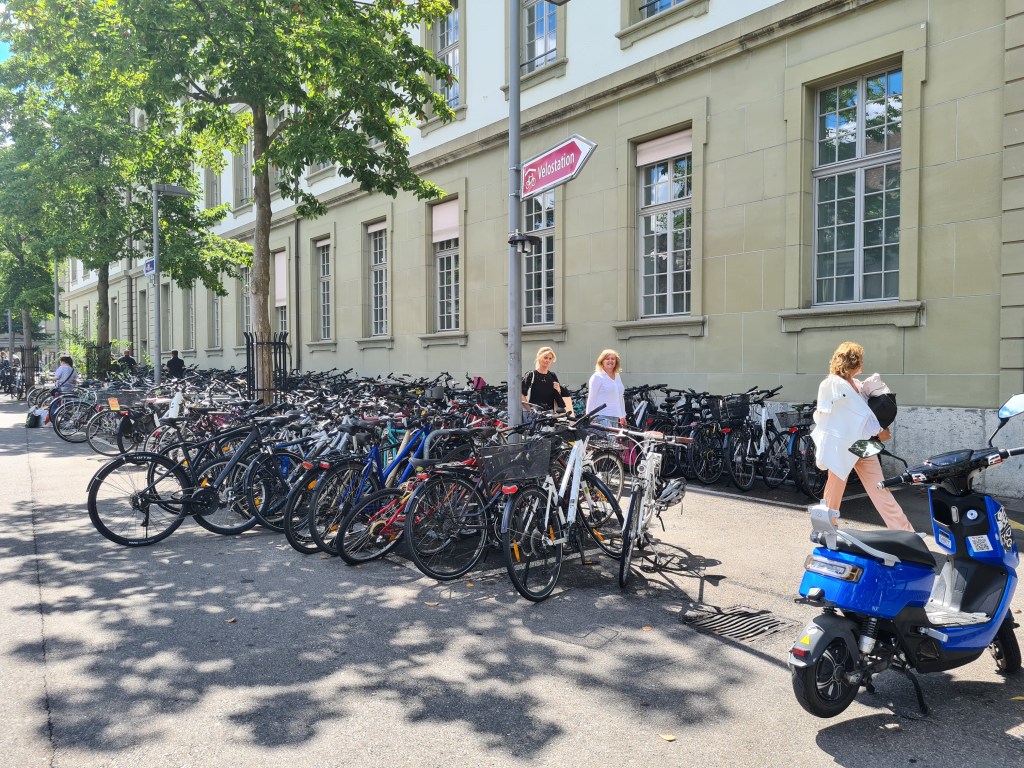
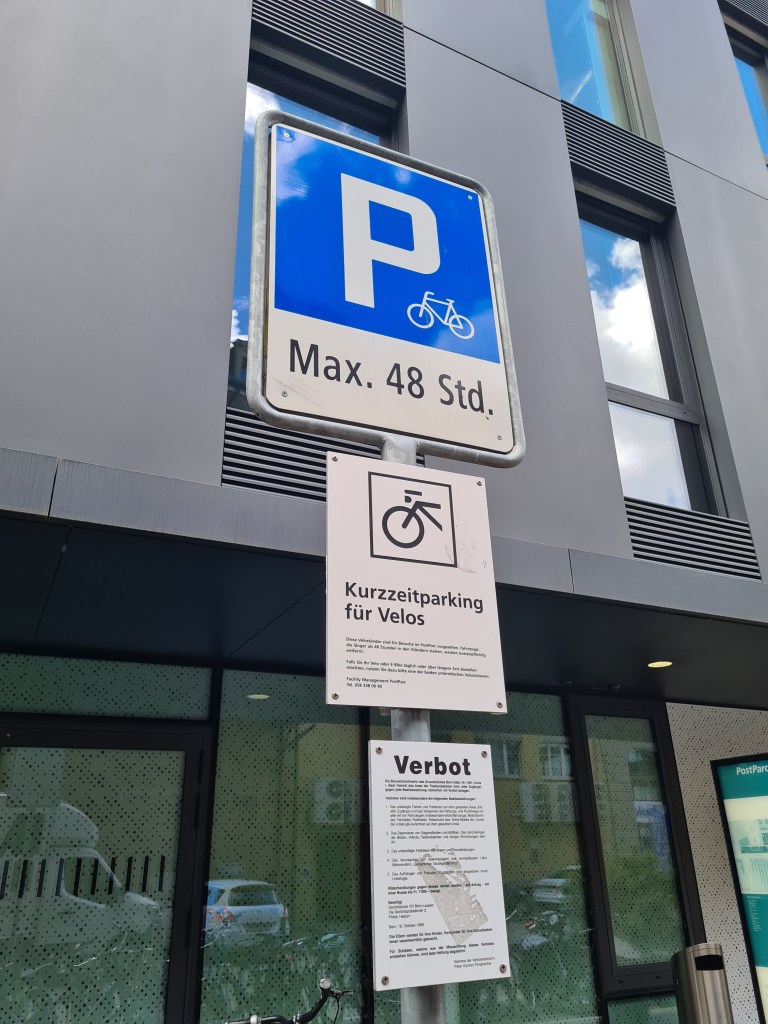
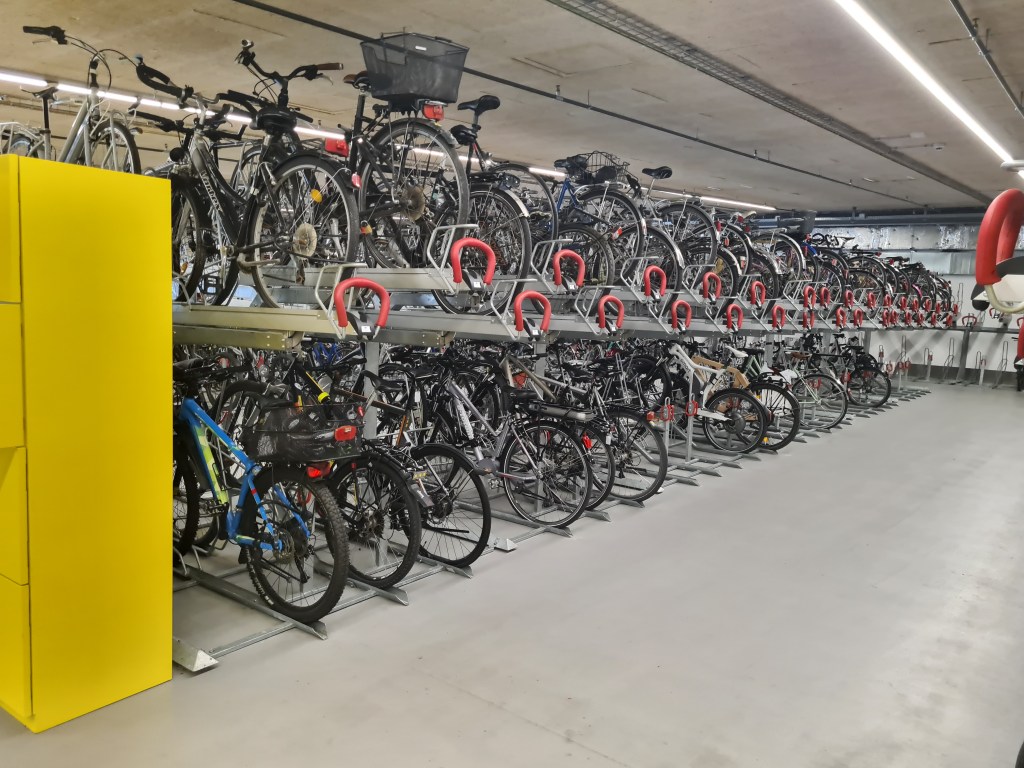
התחלנו את הסיור באיזור התחנה המרכזית, ישר מחניון האופניים הגדול בעולם – 12,500 מקומות חנייה. מאחר שברמה הפרקטית זה מחולק לכמה קומות ומלא חללים קטנים, הוא פחות מרשים ויזואלית מבחניון האופניים בתחנת הרכבת בהאג, למשל, שהוא חלל אחד גדול ורחב ידיים (אפילו שהנפח שלו קטן בהרבה, משהו כמו 5,000 מקומות), אבל הוא הרבה יותר מרשים בכל מובן אחר – מספר החניות, כמויות הרוכבים שיוצאות ונכנסות כל דקה, ובעיקר- הפונקציונליות. החניון של אוטרכט הוא מאוד מאוד פונקציונלי- אתה נכנס ברכיבה רציפה משביל האופניים שמחוץ לתחנה היישר אל מקום החנייה שלך. ההליכה לרציפים יותר ארוכה מזו של ברן, אבל אנחנו מדברים פה על סדרי גודל אחרים. יש חניון פתוח לציבור וחניון מאובטח בתשלום, שהרבה מקומות עבודה מממנים לעובדים שלהם. בחניון המאובטח, בניגוד לאינטואיציה, אין שער בכניסה (רק מעבירים כרטיס מגנטי על קורא), אלא רק אדם שבודק את הכרטיס שלך ביציאה. המחשבה היא שעם כמוית הנכנסים מדי דקה, כל עיכוב היה יוצר פקקים בכניסה, ואנשים היו מפספסים את הרכבת, אבל בדרך החוצה זה אנשים קצת פחות בלחץ וזה תכל'ס. לכאורה אתה יכול להיכנס עם זוג אופניים אחד ולצאת עם אחר, אבל הכל שם מצולם ומתועד, ובפועל זה כנראה לא דבר שקורה.
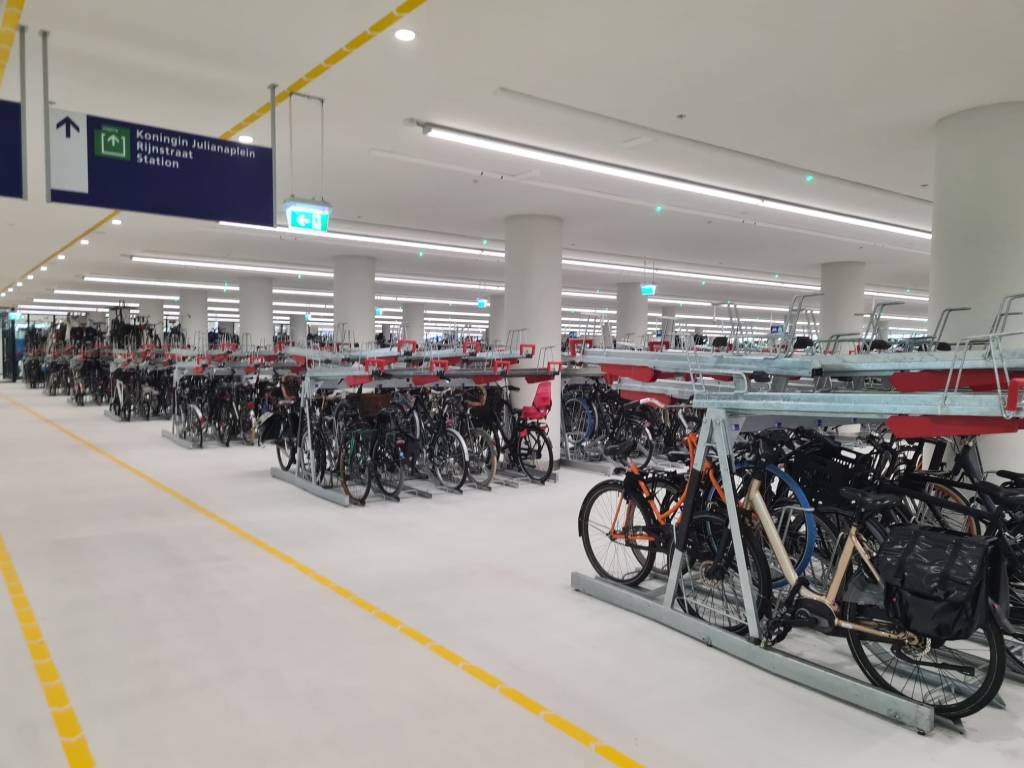
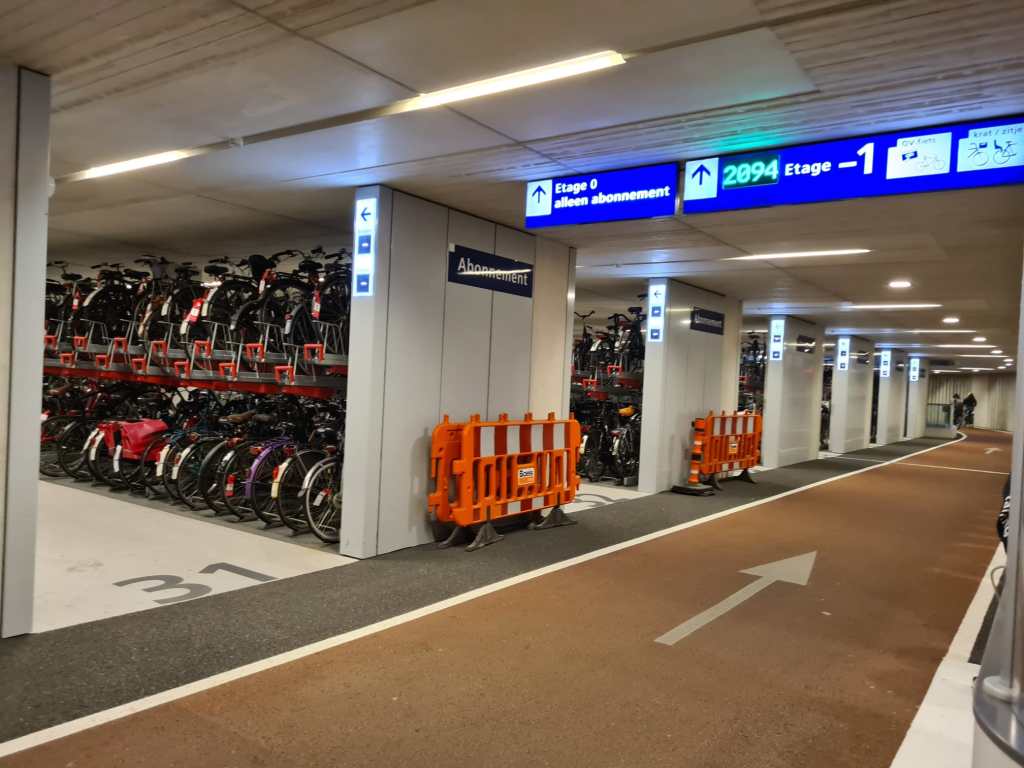
רוקסנדרה גם הדגימה לי איך היא משתמשים כמו שצריך במתקן דו קומתי, ואני מודה שהאנטי שלי למתקן הזה מעט ירד. זה סיפור פחות מסובך ממה שחשבתי אם אתה יודע את הטכניקה הנכונה.
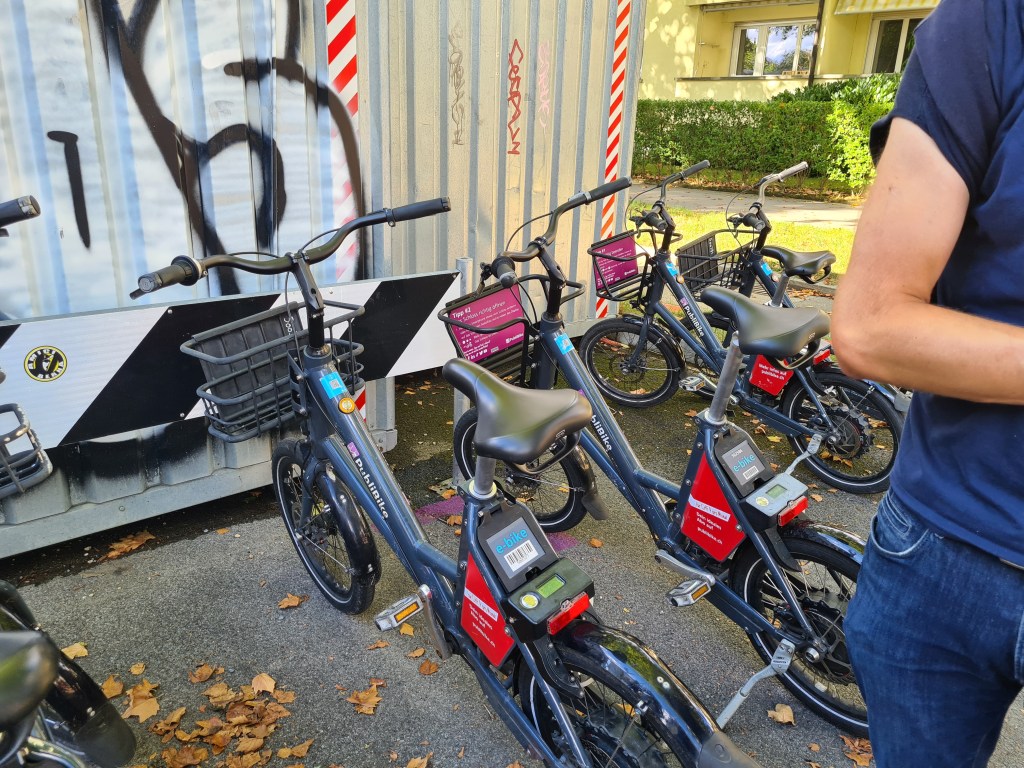
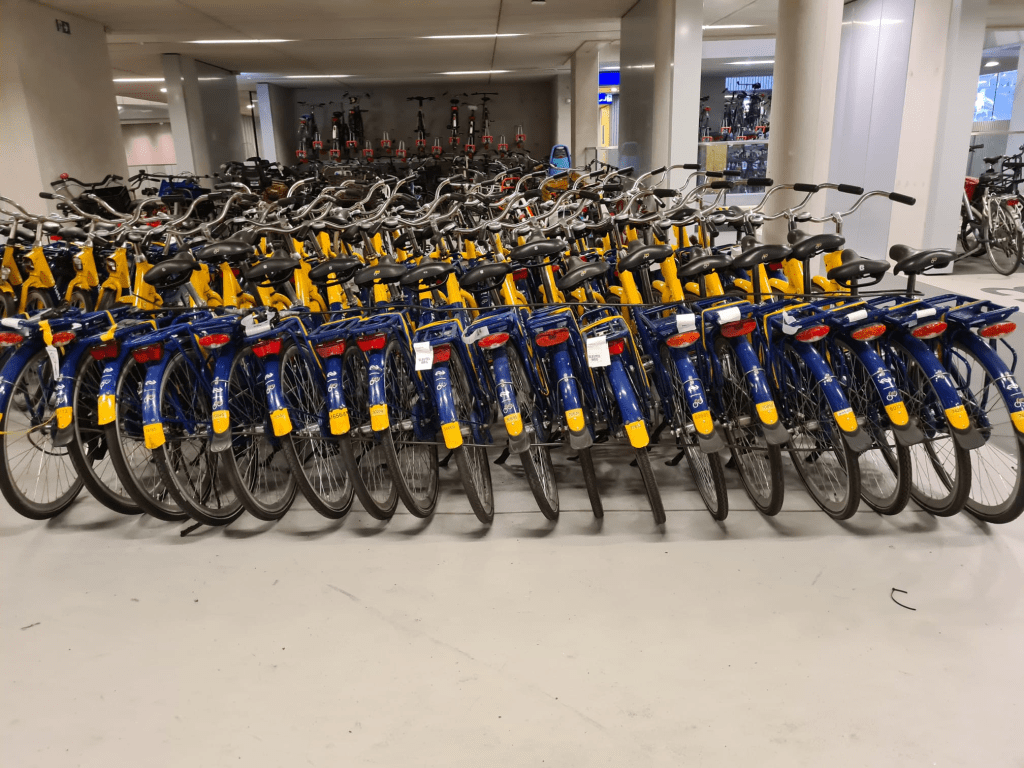
אוטרכט היא בלב של רשת הרכבות של הולנד, ואנשים שמגיעים לאוטרכט באופן יומיומי  מכל האיזור על מנת לעבוד (היא אמרה לי כמה אנשים עוברים בתחנה מדי יום. אני לא זוכר את המספר, אבל הוא עצום). אלו שזו היוממות הקבועה שלהם משאירים פה אופניים נוסף, בנוהל ההולנדי הידוע. אבל לטובת אנשים שצריכים להגיע לאוטרכט לאיזו פגישת עסקים מזדמנת, הרכבת מחזיקה מערך של אופניים להשכרה שאתה לוקח ב4.15 יורו ליום, עושה איתם את כל מה שאתה צריך בעיר, ומחזיר אותם חזרה לתחנה. בלי מתקני עגינה, בלי איזון ביקושים, יש רק מקום אחד שאתה לוקח ומחזיר- פשוט וחכם.
משם המשכנו לצד השני של התחנה, לעבר גשר הולכי רגל שחצה את מסילת הרכבת מדרום. מסילות רכבת זה תמיד נושא אמביוולנטי בערים אירופאיות – מצד אחד העובדה שהרכבת נכנסת אל העיר הופכת אותה להרבה יותר אטרקטיבית ככלי תחבורה, ומצד שני, המסילות תמיד יוצרות איזשהו חיתוך במרקם האורבני בכל מקום שהן עוברות. ולכן מעברים וגשרים שחוצים את המסילות הם מאוד חשובים (זו גם הסיבה שכ"כ הרבה רוכבים עוברים בסמאקלארסקדה, זה אחד המעברים היחידים באיזור שחוצים את המסילה).

אבל הגשר הספציפי הזה נוצר בצורה… שונה. כי בצד אחד שלו יושב בנק גדול בשם Rabobank בנק שנולד באוטרכט, וכשהוא התחיל לעשות קולות של "אני חושב על לעבור לאמסטרדם", עיריית אוטרכט נכנסה איתו למו"מ, ואחד הדברים שהיא הבטיחה זה לבנות גשר שיחבר את הבניין אל מרכז העיר, איפה שכל המסעדות שאפשר לאכול בהן ארוחת צהריים. הדבר השני שהיא נתנה לו זה אישור לבנות את החניון הפרטי היחיד שיש במרכז אוטרכט. אז… לא יודע מה להגיד על זה. היכולת שלהם כגוף פיננסי ומעסיק גדול לכופף את העירייה מצד אחד יצרה עוד מעבר להולכי רגל, ומצד שני יצרה עוד חניון. כנראה שזה בכל זאת net positive.
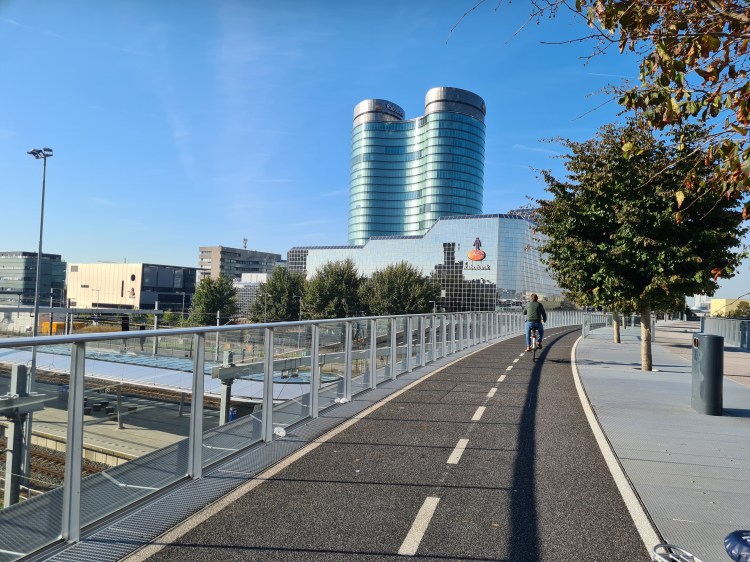
הבנק

אבל הכוח של כסף גדול לא נגמר בעצם יצירת הגשר. באמצע הגשר היו חללים קטנים ולא ברורים, שהסתבר שהם נועדו להיות פירים למדרגות ישירות לרציף (עם מכונות בדיקת כרטיסים). אלא שהמעבר הזה היה מעביר תנועת הולכי רגל משמעותית שעוברת היום דרך קניון שיושב מול התחנה המרכזית, שמתחילה להיות עמוסה למדי. אלא בעלי הקניון, שהם תאגיד משפחתי עצום בהולנד, מאוד התנגדו, ועיריית הולנד החליטה שאין לה כוח למאבק כרגע עבור שיפור מתוכנן שאף אחד לא יודע עליו (קל לקחת את מה שאנשים לא יודעים שנלקח מהם), ולא יצרה את המדרגות. אבל היא כן יצרה את הפירים לטובת התרחבות עתידית, כשהמעבר הקיים כבר יהיה קטן מדי.
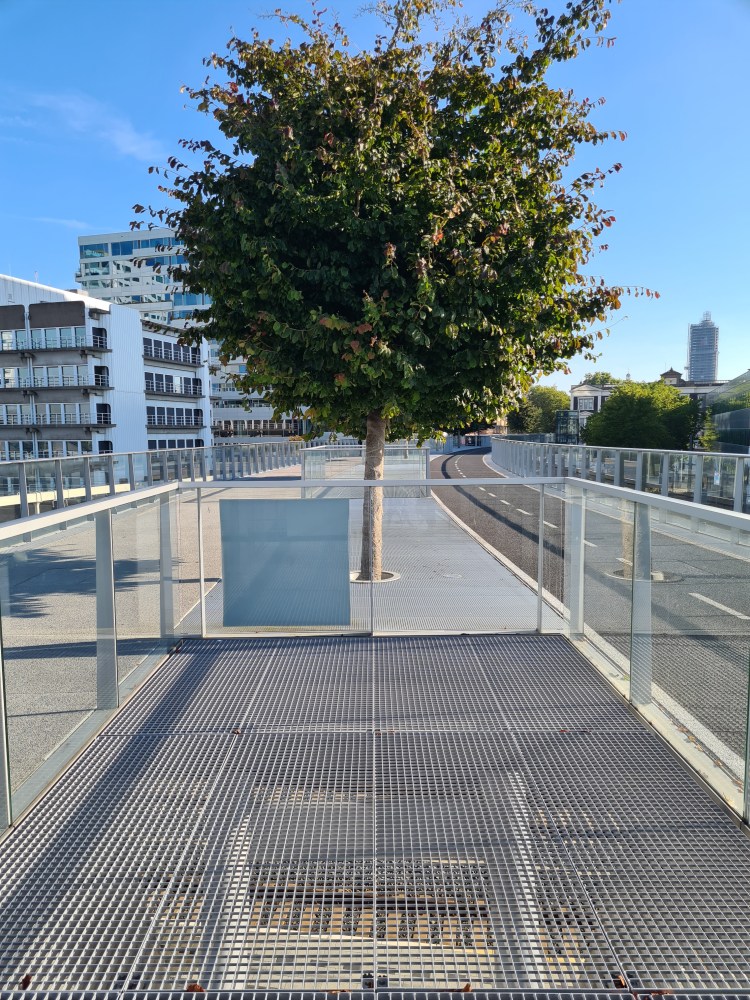
הפיר. בעתיד הוא כן יחובר לרציף. מתישהו

משם רכבנו למרכז העיר. דבר מגניב שהיא הראתה לי זה שהם החליטו להצר את הכבישים למינימום האפשרי במרכז העיר. עכשיו, מאחר שיש הרבה חנויות במרכז העיר, וחנויות צריכות אספקה, המשמעות היא שצריך כביש רחב מספיק כדי לאפשר לשתי משאיות לעבור אחת מול השניה. אלא שזה דבר שקורה אחת לשעה במרכז העיר, ואם ככה, לא יפלו השמיים אם משאית אחת תעלה על המדרכה לרגע עם גלגל אחד כדי לעבור. וכדי לאפשר את זה, הם יצרו את המדרכות שסמוכות לכביש עם אותו חוזק מכני של הכבישים, ועשו את המדרכות מאוד נמוכות, כדי להקל את זה. וזה יצר כבישים קטנים ונעימים יחסית (ללא פס הפרדה באמצע, כמובן), שבו כולם מרגישים בבית.
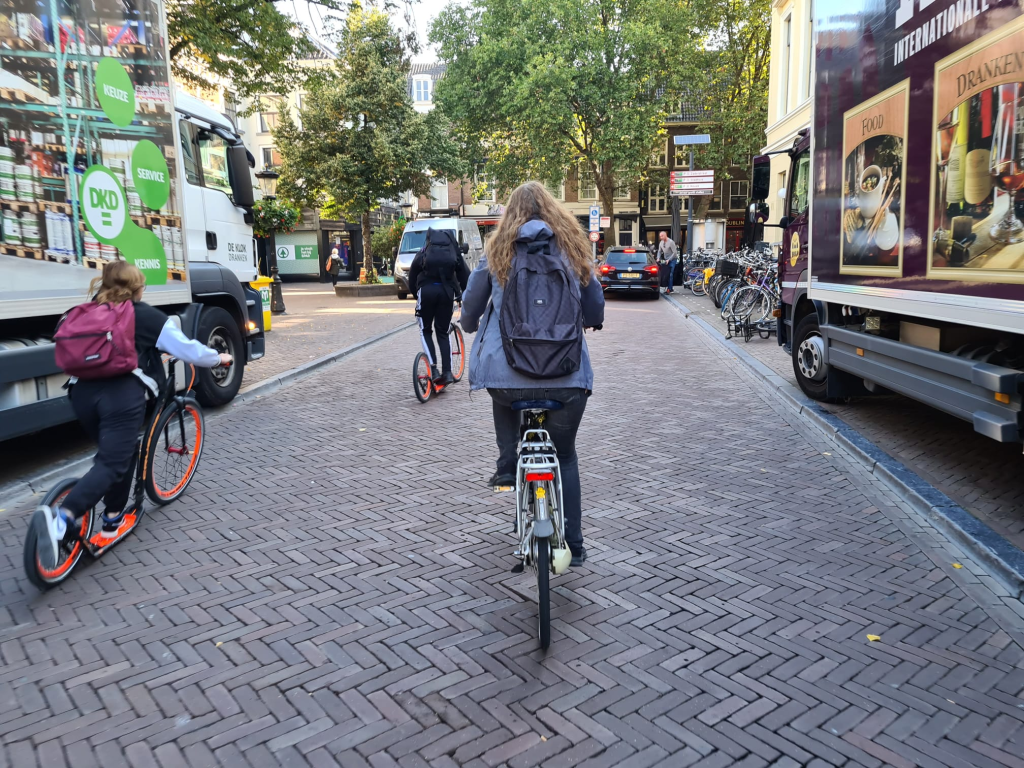
כן, יש שתי משאיות על המדרכה, ועדיין יש שם מספיק מקום להולכי רגל

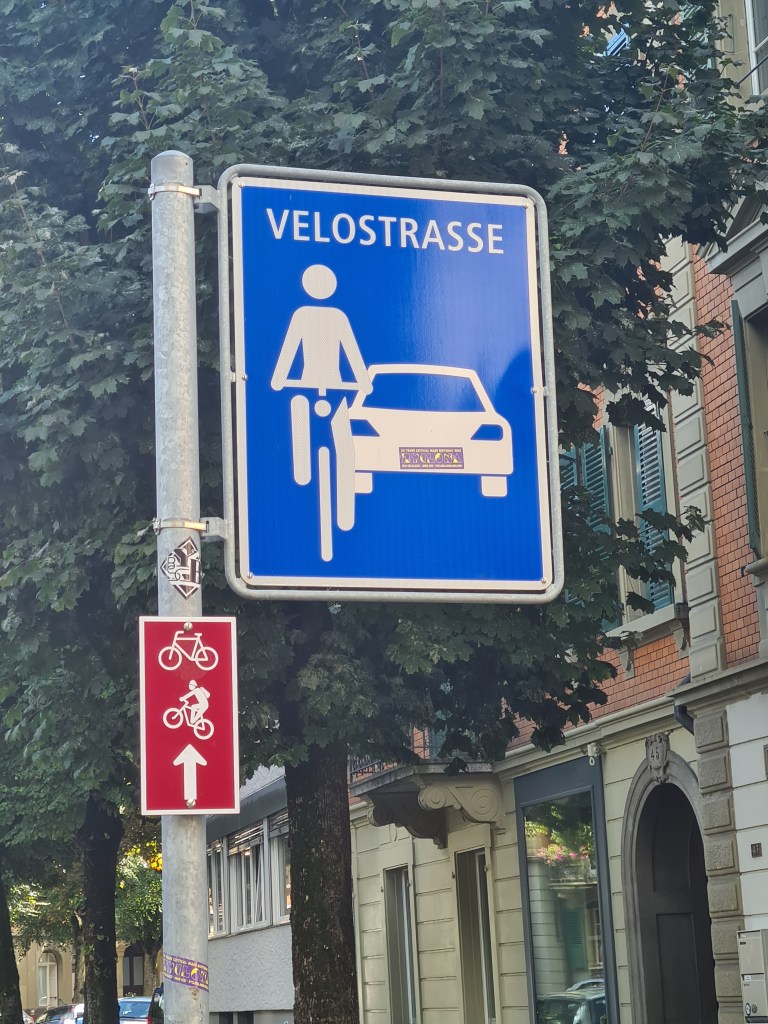
אני חושב שהדבר שהכי הדגים כמה אוטרכט נמצאת הרחק בעתיק הוא הרחוב שבו הם ביטלו שביל אופניים. ברחוב , אבל הוא היה שביל סטנדרטי, של מטר וחצי, ולא הכיל את התנועה של הרוכבים. אז הם ביקשו להפוך את זה מרחוב עם שביל אופניים ל"רחוב אופניים", רחוב שבו שרכבים הם רק האורחים ואסור להם בשום צורה לעקוף אופניים, וככה להכיל את התנועה של האופניים. וזה מראה כמה הולנד היא עשר שלבים קדימה. באמת לא בטוח שיש לנו מה ללמוד ממנה, כי אנחנו צריכים קודם להגיע לשלב של ברן או משהו.

היה עוד דבר שהרגשתי שאי אפשר ללמוד מהולנד וזה היחס להולכי רגל. עכשיו, אל תבינו אותי לא נכון, להיות הולך רגל באוטרכט זה פי עשר יותר טוב מלהיות הולך רגל בכל מקום בישראל. אבל באופן ברור, האופניים מגיעים מעל כולם, כולל הולכי רגל. באיזורי הפרברים קודם יהיה שביל אופניים, שיעוצב כשביל אופניים. הולכי רגל (המעטים עד לא קיימים שאשכרה ילכו שם) יוכלו להשתמש בו, אבל זה שביל אופניים. גם בעיר עצמה, שביל האופניים יהיה רחב מהמדרכה באופן ברור. רכבים צריכים לתת זכות קדימה להולכי רגל, זה יסומן כמעבר חציה, אבל אופניים לא, ולא תמיד יהיה מעבר חצייה, ויהיה ברור לכולם שיש לאופניים זכות קדימה. יש גלאי אופניים שמאפשרים גל ירוק בצמתים, אבל לא בטוח שיש כאלה להולכי רגל. כן צריך להגיד שמרכז העיר לרוב הוא איזור שמוכרז להולכי רגל, ובשעות מסוימות אין כניסה לרוכבים (אפשר להוליך אופניים), אבל ברחבי העיר, האופניים הם המלך. ואני מודה שזה הפריע לי. אני מחזיק בתפיסה שהולכי רגל צריכים להיות בראש סדר העדיפויות, ועד כמה שאני אוהב אופניים, זה מוזר לי שהם מקבלים עדיפות מוחלטת.
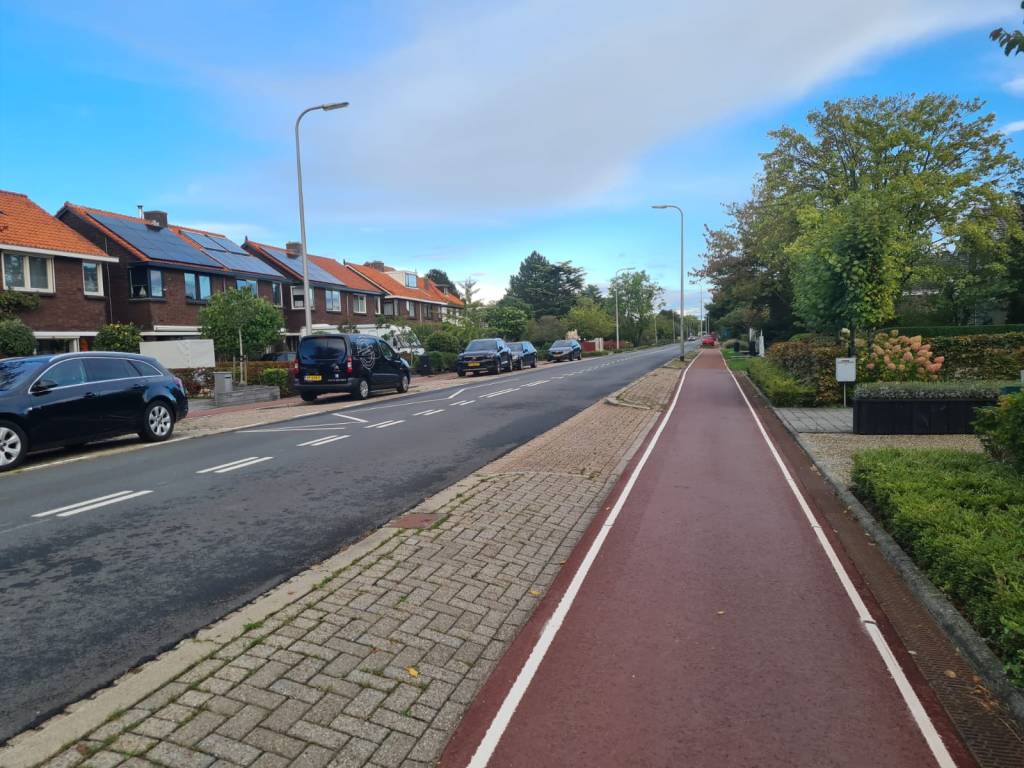
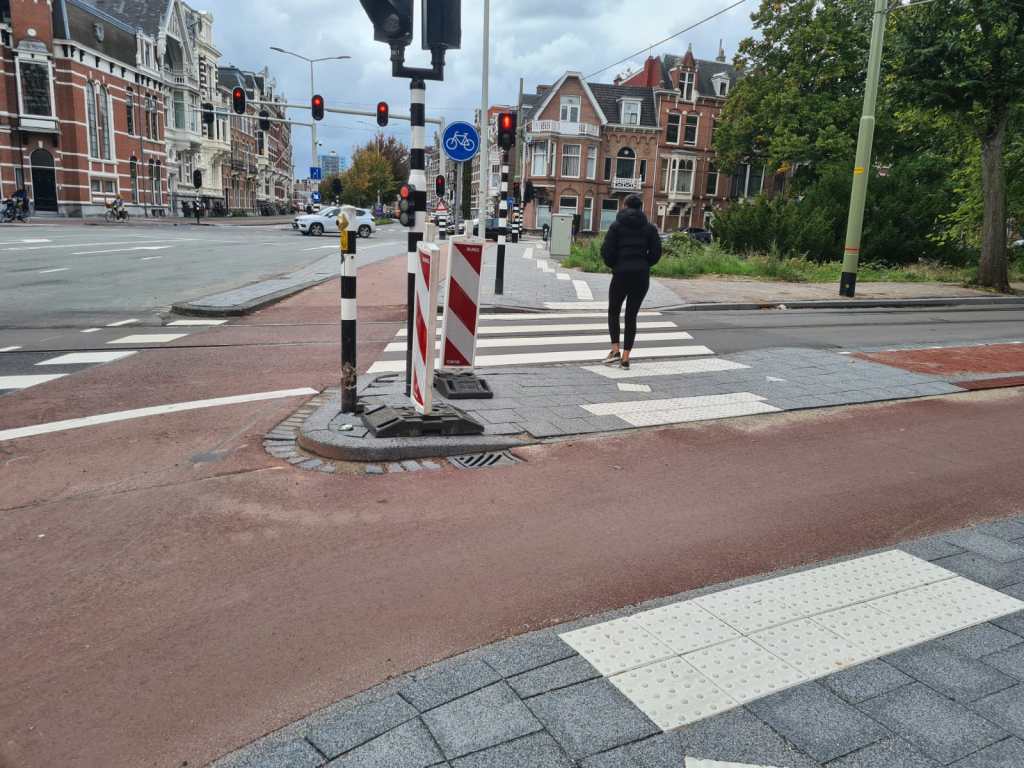
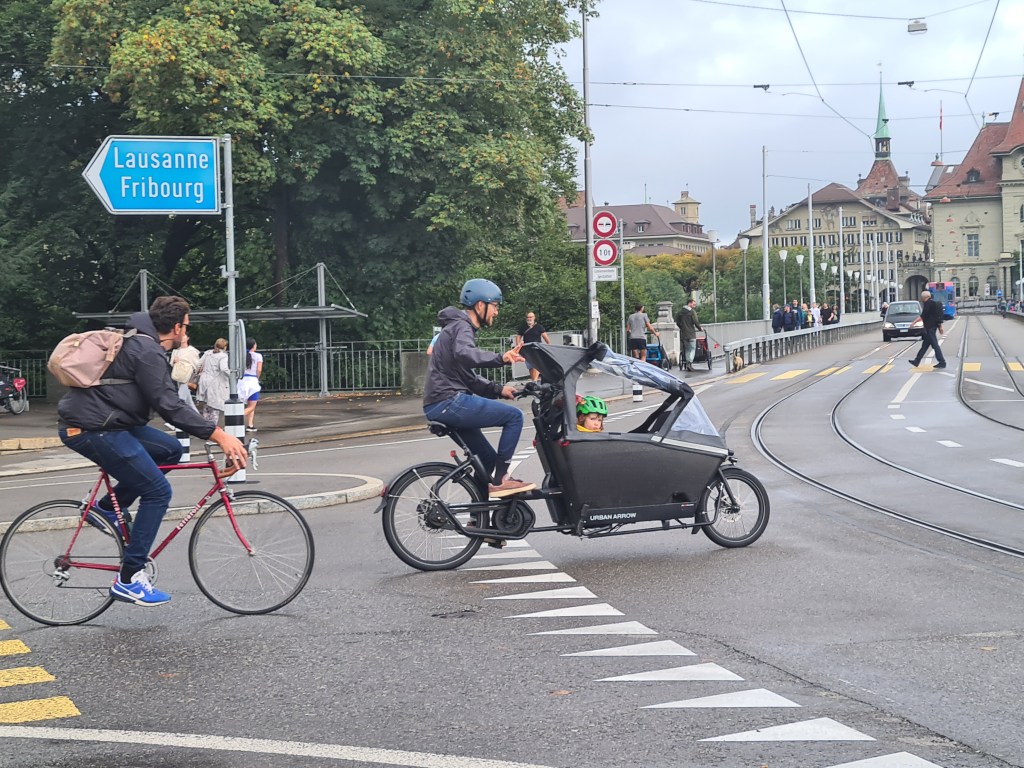
כשרכבנו במקבילה שלהם לפארק המסילה, והיה שם שביל רחב ומדרכה צרה מדי מכדי ללכת אחד לצד השני, הערתי על זה לרוקסנדרה,  היא אמרה משהו על זה שפשוט רוב האנשים רוכבים, אז זה לא מפריע לאף אחד, ואנשים לא מתלוננים. עכשיו, הטיעון של "הרוב קובע" הוא טיעון שאני לא אוהב, כי נניח כיום בישראל, רוב האנשים נוהגים, אבל ברור לנו שאי אפשר להחליט החלטות תחבורתיות לפי הנתון הזה, כי זה לא בר קיימא. אבל מצד שני, אופניים זה כן בר קיימא, וזה נראה שזה עובד להם. זה מעלה את השאלה האם באמת יש עדיפות מהותית להליכה רגלית על פני רכיבה על אופניים, או ליתר דיוק, האם יש הבדל מהותי בהתנהלות. גם רוכבי אופניים יכולים לעצור למפגשים אקראיים (קצת פחות, אבל יכולים), לתמוך בעסקים קטנים ולשהות במרחב יחסית בקלות. הורים עם עגלות? בקושי ראיתי בהולנד, כולם כולם כולם עם קארגו בייקס מלאים בילדים, אפילו עצרתי לצלם אישה דוחפת עגלה ברוטרדם כי זה היה מראה כ"כ נדיר. בעלי מוגבלויות? ראיתי פה כיסאות גלגלים ממונעים שמשתלבים היטב בשבילי האופניים. זה בתכל'ס הרבה יותר נגיש וזול מרכב להרבה נכים. מבוגרים? ראיתי קשישים בני 70-80 פלוס רוכבים שם, מי שמסוגל ללכת שם עדיין מסוגל לרכב.

כמובן שבישראל לא הייתי מעתיק את הגישה הזו בשום צורה נכון להיום, זה לא יעבוד ולא יהיה הוגן. ואני חושב שזה בין היתר עובד בהולנד כי ברוב הרחובות יש חתך רחוב נדיב שמאפשר לתת גם וגם וגם, ואני מרגיש שבישראל יש פחות מקום לחלק, ואי לכך צריך לתעדף. אבל אם אני מסתכל על אוטרכט כאפשרות עירונית, אני לא חושב שזו אפשרות רעה.

האג  

בהאג פגשתי את אריק בבוקר של יום גשום למדי, אבל נראה שאת ההולנדים גשם לא יותר מדי מרשים. אריק אמר שהנתונים מראים שהחורף מספר הרוכבים בהולנד לא יורד באופן משמעותי, משהו בסביבות ה10%. וזה בניגוד לברן, שם הוא נחתך בחצי. אני מניח קור וגשם זה לא בעיה משמעותית כמו שלג.
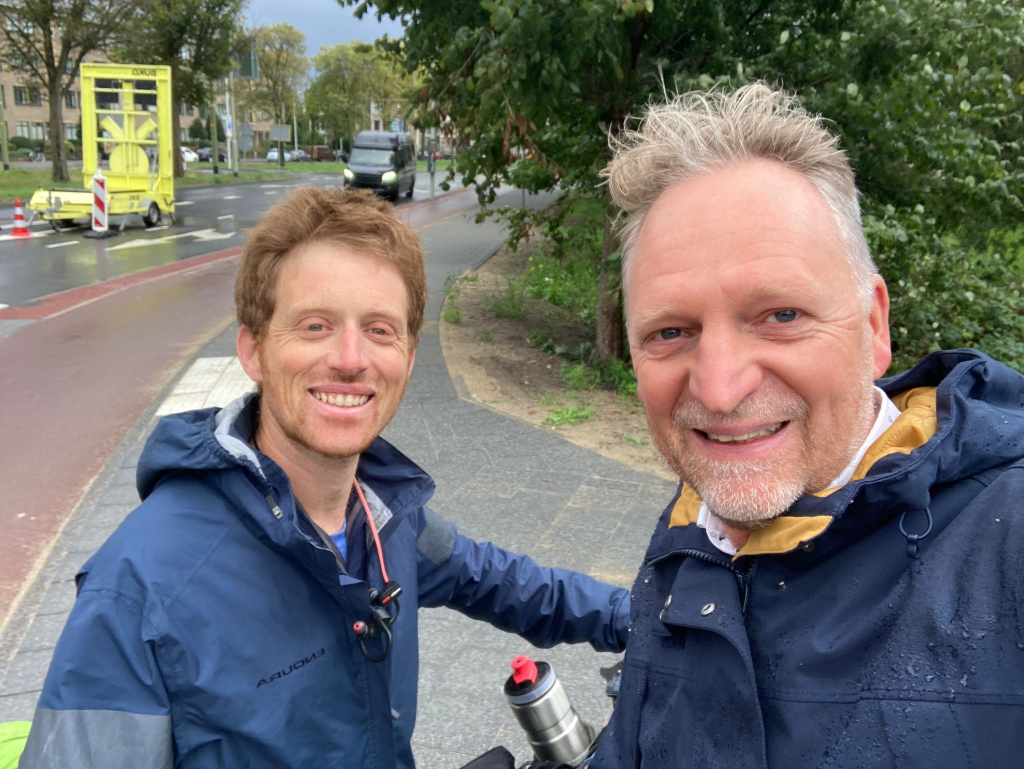
איך שנפגשנו ראינו צוות של העירייה מפנה אופניים נטושים ממתקני חנייה. אנשים נוטשים אופניים על ימין ועל שמאל, ועיריית אמסטרדם למשל מפנה מדי שנה בין 40 ל50 אלף זוגות אופניים. בעבר היו שולחים אותם לאפריקה, אבל הסידור הזה משום מה נפסק.

האג באופן כללי יותר ידידותית לרכב פרטי מאוטרכט או אמסטרדם, אבל זו עדיין עיר הולנדית והולנד מרגישה בטוחה לחלוטין גם במקומות שאין שביל, כי פשוט אין הרבה רכבים ברחובות. וגם כשיש, ובכן, זה התחושה היא שונה- בסוף רוב הנהגים פה הם גם רוכבי אופניים, והגישה שלהם לרוכבים היא אחרת (אם כי לא של כולם). היה מקום שבו הנתיב בצומת נפסק, ואנחנו היינו צריכים להמשיך ישר, ושאלתי אותו איזה הגנה יש לנו מפני רכב שפונה ימינה. הוא אמר שהנהנגים פשוט יודעים להסתכל, וזה נכון. חלק מתשתית האופניים בהולנד נמצאת בראש של אנשים, וזו כבר תשתית שקשה הרבה יותר להעתיק או לבנות מתשתית פיזית.

ובאמת, בשלב הזה אין שום מחסום בטיחותי שמונע מאנשים להשתמש באופניים, ואחד הדברים ששאלתי את אריק מה בעצם משאיר אנשים ברכבים, ומה אפשר לעשות כדי לגרום להם לעבור לאופניים או לתחב"צ. התשובה הראשונה, באופן לא מפתיע, היא "סטטוס ונוחות" והתשובה השניה גם לא מפתיעה- "להוריד את רמת השירות לרכב" (כי להעלות את רמת השירות לאופניים כבר אי אפשר). והם עושים גם את זה- סוגרים רחובות ונתיבים, מצמצמים/מייקרים מקומות חנייה אנד אול דאט ג'ז.

באופן כללי יצא לי לדבר עם אריק קצת יותר על נושאי המאקרו, ואחד הדברים המעניינים היו סטנדרטיזציה. כל התשתיות בהולנד נראות די זהות אחד לשניה (ולא הסלט המוזר שאנחנו רואים בישראל, כשבכלל יש משהו) – כל השבילים מסומנים באדום, הצמתים בנויים באופן די זהה וכן הלאה. שאלתי אותו אם קיים מסמך הנחיות ממשלתי כמו שקיים בישראל, והוא ענה לי שלא, ולמעשה, עד לא מזמן, (ב2015!) היה רק בנאדם וחצי שהתעסקו באופניים במשרד התחבורה ההולנדי. מה.

כן כן, כל מהפכת האופניים בהולנד צמחה מהערים עצמן, מהשטח. משרד התחבורה ההולנדי בעיקר התעסק בכבישים, רכבות, נמלים ותעלות, והשאיר לעיריות לפתח את השבילים, וזה בדיוק מה שהן עשו. וזה מפתיע פעמיים, גם מעצם מהאדישות של הממשלה ההולנדית ברמה הלאומית, אבל גם כי התשתית ההולנדית נראית כל כך אחידה, שזה נראה מתבקש שיש פה תכנון ריכוזי כלשהו.

אבל כאמור, אין מסמך הנחיות ממשלתי לתכנון תנועת אופניים, יש את CROW. מה זה CROW? ובכן, כדי לשאוף לשפר את התשתיות שלהם וללמוד אחד מהשניה, הם יצרו ארגון לא ממשלתי (וחצי מסחרי) בשם CROW שאיגד את כל הbest practice הקיימים ויצר ככל הנראה את המדריך הטוב בעולם לתכנון שבילי אופניים.

כיום יש צוות שלם במשרד התחבורה שאחראי על התחום (14 איש, עדיין לא הרבה), אבל לשאלת הקהל, מי דוחף יותר את נושא האופניים, המדינה או הרשויות/שטח, התשובה היא די חד משמעית. 

והדברים עדיין עולים מהשטח. ערים מנסות עיצובים שונים  של תשתיות אופניים, ומשתפות ביניהן איזה עיצוב עובד יותר טוב. ניקח לדוגמא את צומת ה"בננה", סוג חדש של תכנון שהם מנסים עכשיו. הם בעצם חותכים חתיכה מהמדרכה באופן שיאפשר ליותר רוכבים לחכות בפנייה מבלי להפריע לתנועה של רוכבים שבאים מנגד (כן, צרות של הולנדים)
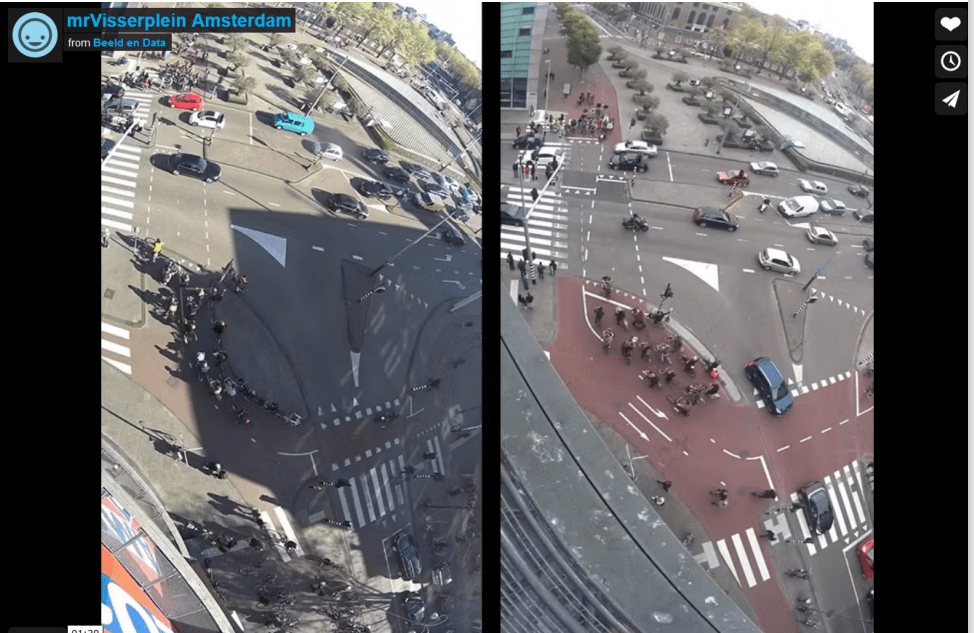
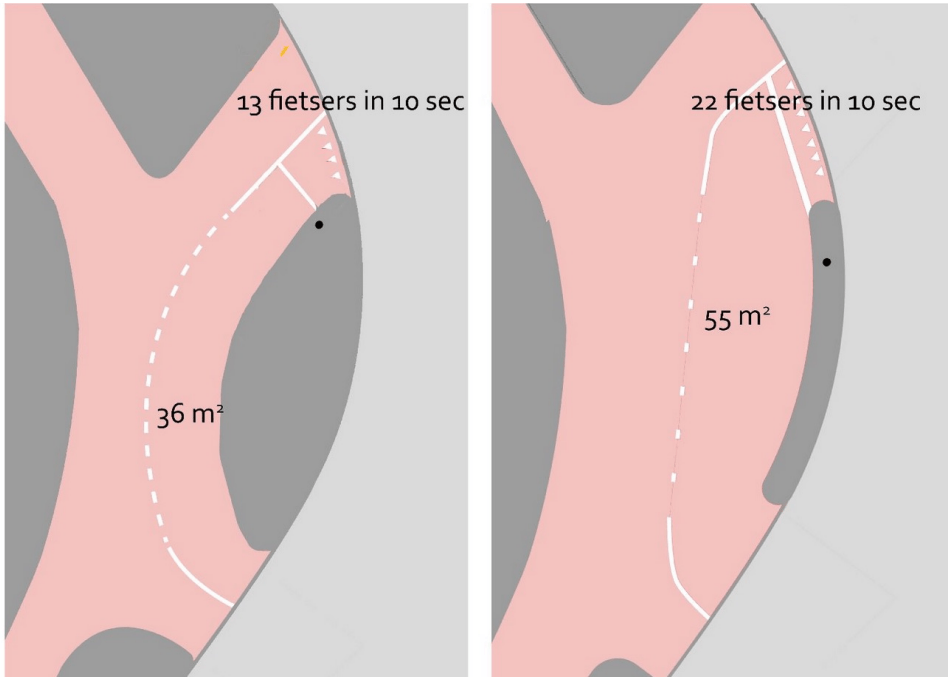
זה לא משהו שהוכתב על ידי איזה מסמך הנחיות, אלא משהו שעלה מהשטח, ועכשיו מנסים אותו בכמה ערים, ואם זה יעבוד טוב, יעתיקו אותו ליתר הערים. אותו סיפור לגבי מעבר החצייה המעוקם, שמאפשר ליותר רוכבים להתחיל לרכב ביחד באופן יעיל בצומת, או איך מעצבים "רחוב אופניים" (רחוב שבהם הרכב הפרטי הוא רק אורח, ואסור לו לעקוף רוכבי אופניים) עיריות מנסות דברים חדשים ולומדות זו מזו.
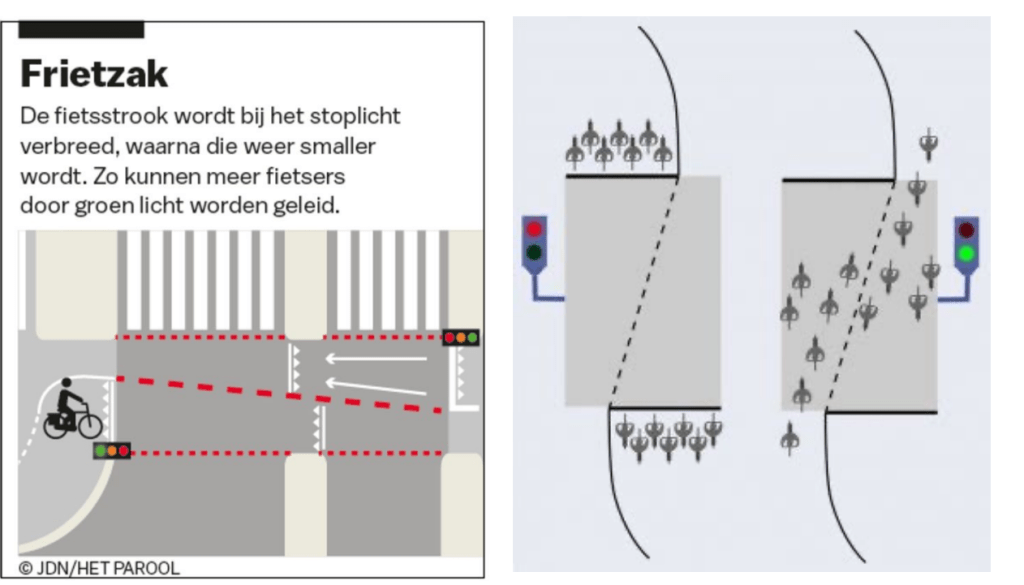
משהו שהפתיע אותי היה שראיתי הרבה יותר כפתורי לחיצה בצמתים ממה שהייתי מצפה, וכפתורי לחיצה זו לא בדיוק עירוניות משובחת בעיני. כן צריך להגיד שבמקומות רבים יש לכאורה כפתור לחיצה, אבל בפועל יש חיישן שמזהה את הרוכב עוד לפני שהוא מגיע לצומת, ודואג להחליף לו את האור לירוק, ובימי גשם רוכבי אופניים מקבלים עוד יותר עדיפות. ועדיין, יש מקומות עם מיעוט תנועת הולכי רגל ו/או אופניים, שאם לא תלחץ, האור לא יתחלף, כי חשוב להם שתנועת הרכבים תהיה יעילה.

ואני חושב שאם להסתכן בהכללות תרבותיות פה, זה חלק מגישה ההולנדית לתחבורת אופניים – יעילות. כמו שאמרתי קודם, ההולנדים הם אנשים שמחשיבים מאוד יעילות וניצול נכון של משאבים. ההולנדים התחילו את מהפכת האופניים שלהם בשנות השבעים, ויש הרבה גורמים שהביאו לזה – מספר ההרוגים בתאונות דרכים, משבר האנרגיה, הרצון לראות ערים נעימות יותר, ועוד. אבל יש לי תחושה שהאימוץ הנרחב של אופניים ככלי תחבורה ברמת הערים לא נבע לא רק בגלל שתחבורת אופניים זה בטוח יותר, או סביבתי, או בריא, או זול*, אלא גם כי הערים בהולנד הבינו שבאופן כללי, זו הדרך הכי יעילה להניע אנשים בעיר. כשהאופניים זה לא האמצעי הכי יעיל בסיטואציה מסויימת, אז הם לא מקבלים עדיפות (להלן כפתורי לחיצה בכבישים ראשיים ללא הרבה תנועה, או איזורי הולכי רגל במרכז הערים). אבל ככלל, כן, אופניים זה באמת כלי יעיל.

הערות שוליים

* צריך לציין שנראה שהשיקול הסביבתי כן מתחיל בשנים האחרונות לשחק תפקיד משמעותי יותר ברמה של קובעי המדיניות, והשיקול הכספי, ובכן, ההולנדים מעידים על עצמם בכל הזדמנות שהם מאוד, אה, חסכנים, אז ברמת האדם הבודד השיקול הכלכלי יכול להיות שכן השפיע

לעזוב את הולנד

הולנד היא לא מקום מושלם. יש להם לא מעט בעיות להתמודד איתן – פשיעה, סמים, פערים חברתיים, מורשת קולוניאלית בעייתית מאוד (כמו שאמר המדריך בהאג, הולנד לא יצרה את סחר העבדים הטרנס אטלנטי, אבל היא בהחלט תיעשה (industrialized) אותו). מזג האויר שם בחורף מדכא במיוחד (או, כמו שמישהו אמר לי, אין מזג אויר בהולנד בחורף, מדובר על חודשים ארוכים של אפור רציף ובלתי משתנה), וכמובן לא ברור איך מדינה שנמצאת בחלקה הגדול מתחת למפלס הים תתמודד עם שינויי האקלים. ועדיין, זו מדינה מאוד מרשימה, וכנראה אחד המקומות הטובים ביותר לחיות בהם באירופה.

אני אישית מאוד התקשיתי לעזוב את הולנד. אחת החוויות הכי טובות שלי בטיול היה יום רכיבה שמשי ויפה בין אייהובן לאוטרכט, כשהבנתי שרכבתי עכשיו 100 קילומטרים בלי פעם אחת להרגיש מאוים, או אפילו דרוך*. החוויה שלי כרוכב אופניים ברחבי העולם משתנה ממקום למקום, ויש מקומות שמרגישים מפחידים יותר (שלום לך האנוי) ויש מקומות שמרגישים מפחידים פחות, אבל אתה תמיד צריך להיות עירני ולצפות סיכונים. בהולנד ההרגשה היא שאפשר לרכב בעיניים עצומות לפעמים, ועדיין הכל יהיה בסדר. ולחזור מהולנד למציאות (במקרה הזה – בלגיה) היה די מבאס. אבל אין מה לעשות, ממשיכים הלאה.
ובפוסט הבא- חוזרים לבלגיה, או כמו שידידה טובה כינתה אותה – the fucked-up Netherlands, ובעוד שאני מאוד מחבב את הבלגים, ואת בלגיה, אני יכול להבין את התיאור הזה. אח, איזה בלאגן משובח היא בלגיה.

הערות שוליים

* אחת המחשבות שהיו לי באותו יום היתה שהפער בין החוויה הרגילה שלי כרוכב אופניים, של דריכות כללית והערכת סיכונים מתמדת, לחוויה שלי בהולנד, של פשוט לעבור במרחב ולרכב בלי שום מחשבה ודאגה, הוא קצת אנלוגי לפער בין החוויה של נשים במרחב הציבורי (או באופן ספציפי, בטיול אופניים) לחוויה שלי כגבר באותו מרחב. זה לא שזה פחד ואימה מתמידים, לא ברכיבת אופניים או כחוויה של אישה, אבל תמיד יש צורך להיות "עירני" לסביבה שלך, ולא לשקוע רק בתוך העולם שלך או בחוויה עצמה. מן הסתם שהייתי מודע לפער הזה לפני כן, יצא לי לדבר עם כמה נשים שמטיילות לבד (או סתם חיות בעולם הזה). אבל פתאום להרגיש כמה זה משחרר וקל לא להיות "עירני" כל הזמן, ולהבין שהרבה נשים לא ממש יכולות לחוות את השיחרור הזה כשהן מסתובבות לבדן בעולם, על אופניים או סתם ככה – ובכן, זה היה שונה, ומבאס. עצוב שאנחנו לא טובים יותר מזה.
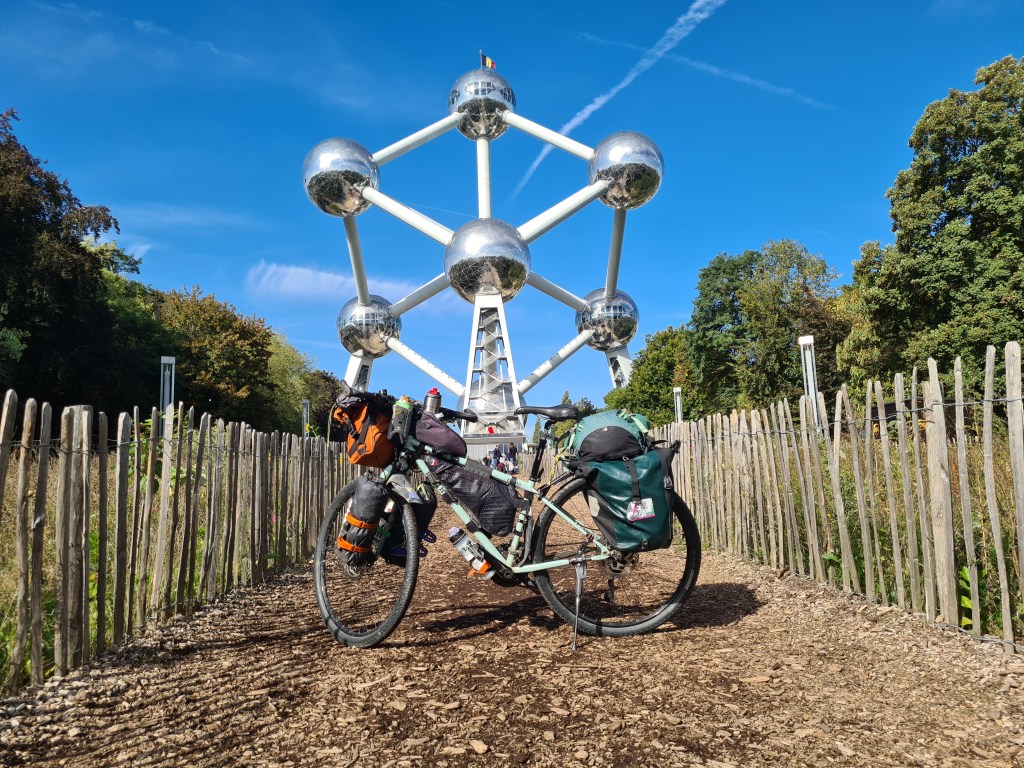
the wrongly named "atomium"

03 – Bulgaria

[originally posted in hebrew on 26/05/2022]

In the Rhodophe

Right left right in the hills of Bulgaria

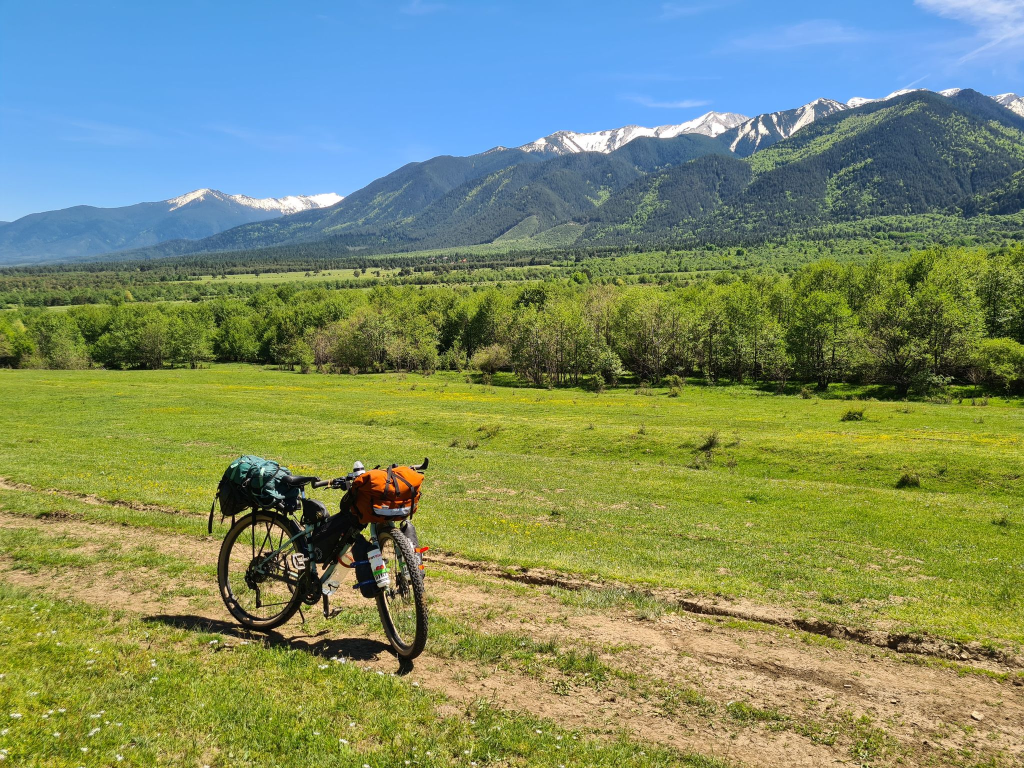
Bulgaria started on the right foot (then left, then right, then … sorry, I'll stop). As I crossed the border I was able to find a cappuccino (I hate Turkish coffee), immediately afterwards I came across a spring festival in some village (although not sure what about), and immediately afterwards I found myself on a dirt road far from the road, enjoying everything that the road and my bike know to offer. The rest of the day only got better as we went up a paved but remote and quiet road, fields of yellow turnip spread all around and best of all – trees! Only when I saw the trees again did I realize how relatively empty Thrace was of them. I missed the trees.

But what characterized Bulgaria for me is the clear pattern when I'm on the road, the days go one good day, one bad day (or as I called it, right-left-right). And since the first day was pretty good, the second day… was more challenging.

The plan was simple, to reach a village called Bukovo, and from there find a way to cross the forest on the small shoulder between it and the next valley. But until Bukovo the ride was supposed to be quite formal and simple. However, a navigation error and excessive reliance on Maps.me brought me in the late afternoon to a dirt road that was really not planned, that climbed between hills and valleys, included getting lost, plowing through the mud, pushing the bikes, general despair, crossing streams and horror of horrors – wet shoes. And it's one thing to wet them in the morning, but in the evening*? This is simply unprofessional. It was an unplanned adventure at all and quite unfortunate…

*And another really cold evening, as was revealed later

i hate mud, i hate puddles, and i especially hate streams you need to walk through

But since the pattern is right left right, then after a freezing night (-2 degrees! What is that supposed to be), a great morning came, and the route I had planned in advance through the forest was realized in a wonderful way. After a stunning descent through the hills, I made my way to Plovdiv.

Water and shoulders

For me, two things characterize the roads in Bulgaria – shoulders and publıc fountaıns

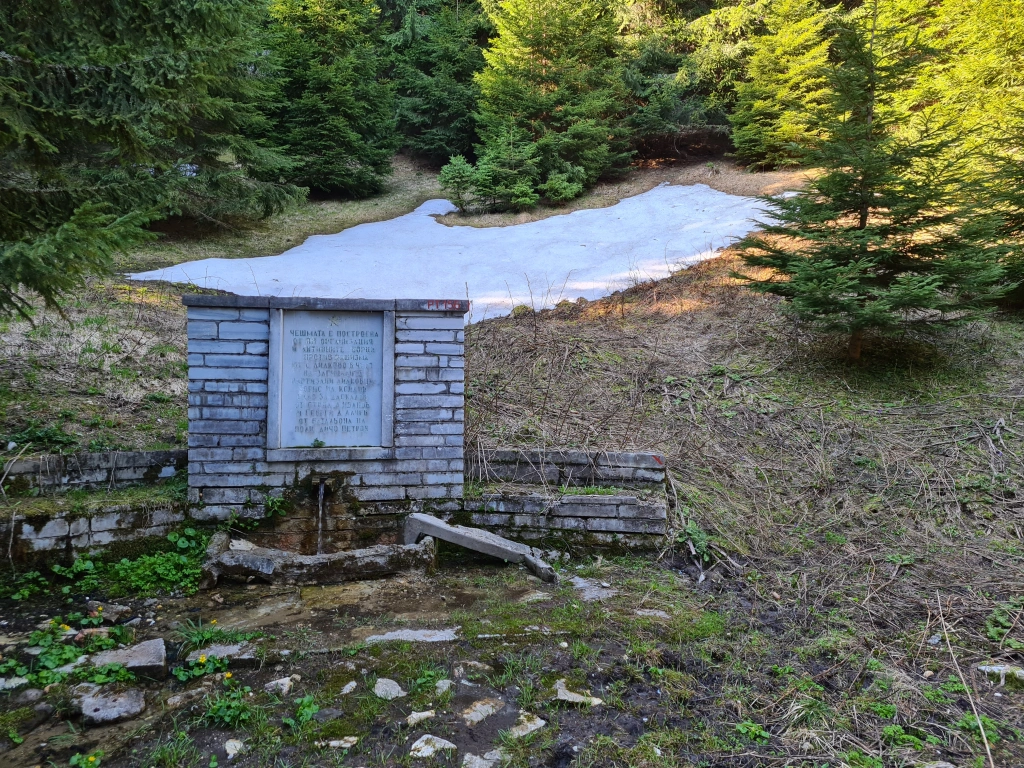
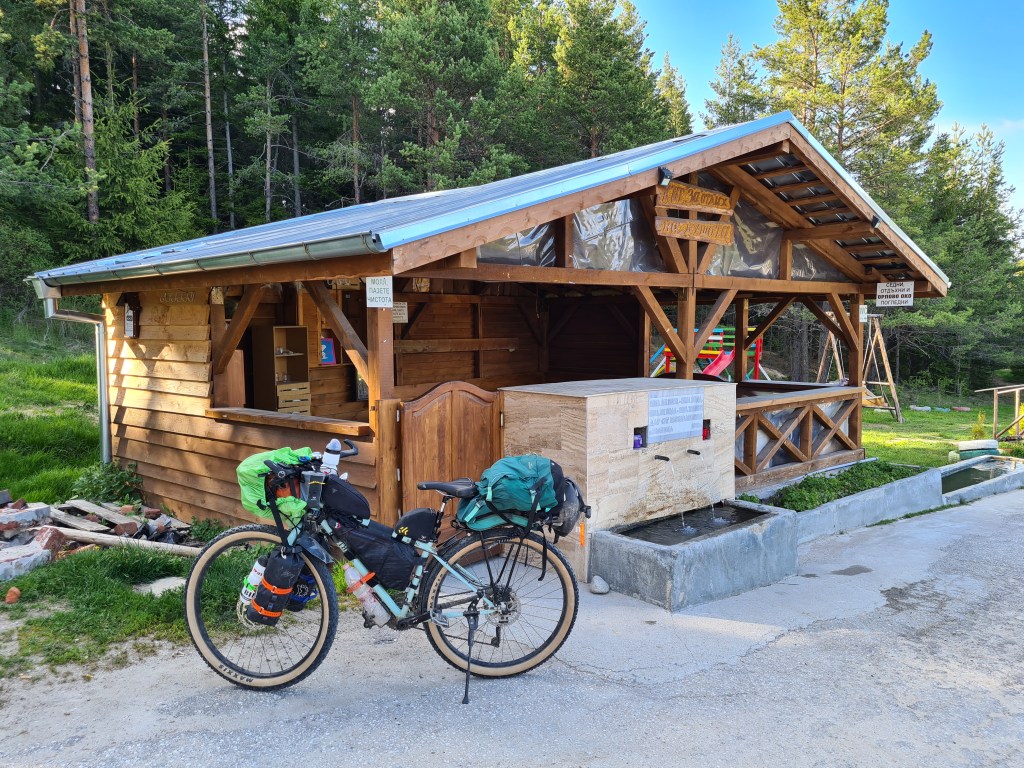
These public fountaıns are a great thing. They are abundant everywhere, most of them just flow constantly, you just have to put a bottle and fill. Even deep in the Rhodopes I usually didn't have to carry more than half a liter of water at any given moment, because the next spring was always not far away. Some of them had dedications and dates of birth and death, and it seems that in Bulgarian culture, when you want to commemorate someone dear to you, you build a fountain in his memory, sometimes with an entire cabin next to it for refreshment or camping (and I may have even slept in one).

this is literally in the middle of nowhere
i like this concept

The on the subject of road shoulders, well, Bulgaria leaves something to be desired. It seems that the Bulgarian Ministry of Transport* does not believe in the concept of shoulders , at all, including on highways. I accordingly practiced my favorite concept on most roads, which is British riding , meaning riding on the left side of the road, to see the coming cars. The rule of thumb is that as long as I'm on an highway and ride less than 25 km/h, I'm on the left side. If I'm faster than 25 km/h, or ride inside a village/town, I'm on the right side. It should be noted that the Bulgarians actually always gave a respectable overtaking distance, but there is no doubt that I felt much better when I could see them do it in advance, and not just hope that they do it (not to mention the possibility to react if they don't). God save the queen!

*And after all, there are no curbs in Macedonia either, although on the highway, in the short section I rode, there actually was.

Bi-polar urbanism in Plovdiv

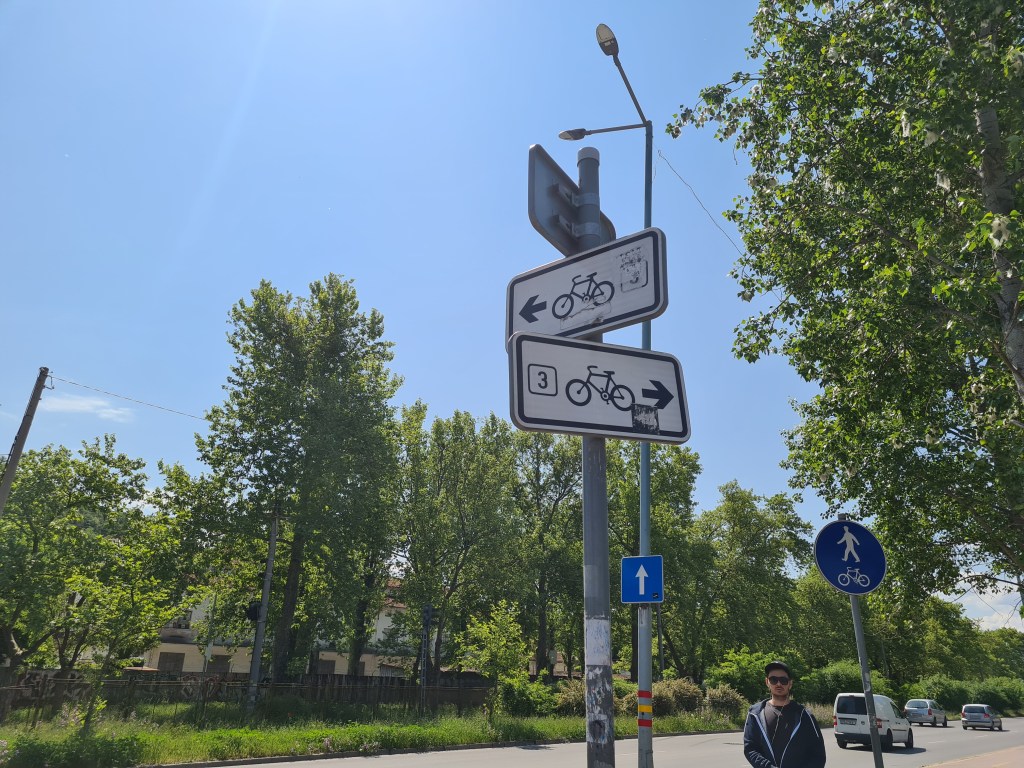
Plovdiv is officially my favorite city so far on the trip (in competition with Skopje), but also the most bi-polar city from an urban point of view, at least on the level of pedestrians and cyclists. On the one hand, as I entered the municipal area, I got on a bike path that led me much faster than I expected straight to the city center. And really, there is a main network of quite beautiful bicycle paths that crosses all the neighborhoods (although most of them are sidewalk paths, but there are also newer and better ones), there are bicycle traffic lights and even signage of the path network (!).

bike network signage, the hallmark of civilization

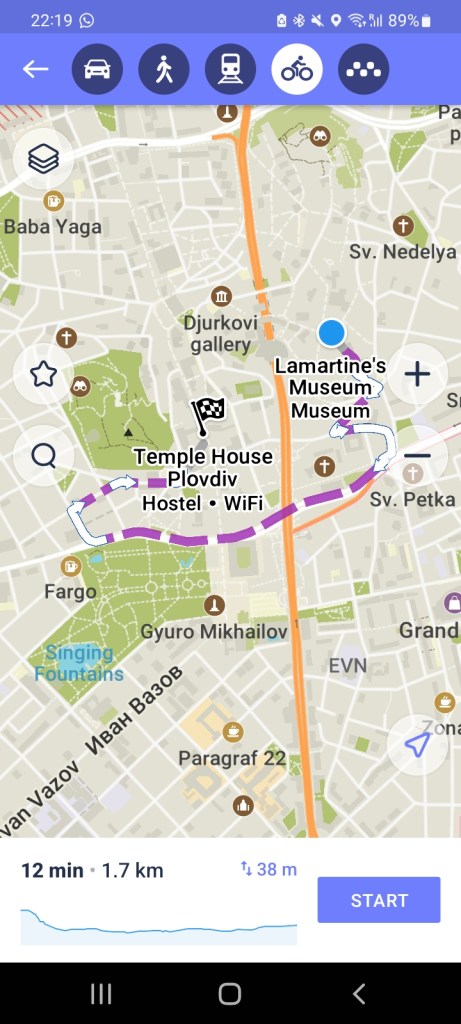
On the other hand, this is the only city where it was easier and more fun for me to ride around the surrounding neighborhoods than in the center. First of all, I slept in old Plovdiv, which, apart from being located on a hill, befitting an ancient city, is paved with Roman stones that shook my teeth. cycling around this area was very challenging (and there are 6 more hills in the city). But no less challenging was the fact that once you got down from the old city to the city center (not a simple matter in itself, as I will explain later), it turns out that the entire city center is pedestrianized, and the meaning is not only that there is no entrance for vehicles (there are also more extensive parts where the entrance is gated, that is, only for those who have a permit) but bicycles are also prohibited for riding (and this is certainly enforced). Which is not illegitimate, but just makes bikes useless in the city center. Every time I had to leave the hostel to go somewhere, Maps.me who would send me on a merry goose chase just to get to the other side of the block. 

what?

So you'd say, okay, so not the most bike-friendly, but it must be very pedestrian-friendly there, right?

Well.

On the one hand, the city center, yes, very much. Entire streets that you can walk around without seeing a single car, and many streets that are restricted to the entry of residents only, with gates (mainly the Old City and Kapana). It was done by the communist government in the 1960s, which is surprising, because pedestrian malls are usually made to encourage commerce, not the top priority of a communist government, but it turns out that they also recognized that it would be convenient to have one place for all the craftsmen to be and it would be possible it to move from one to the other comfortably. But above all, it is a government that could do whatever he wanted, regardless of trivial matters such as property ownership or public opinion. I was told that in their time, much more public spaces were developed than would normally be done. By the way, beneath this pedestrian walkway is buried a huge Roman hippodrome, only the edge of which is exposed to the public.

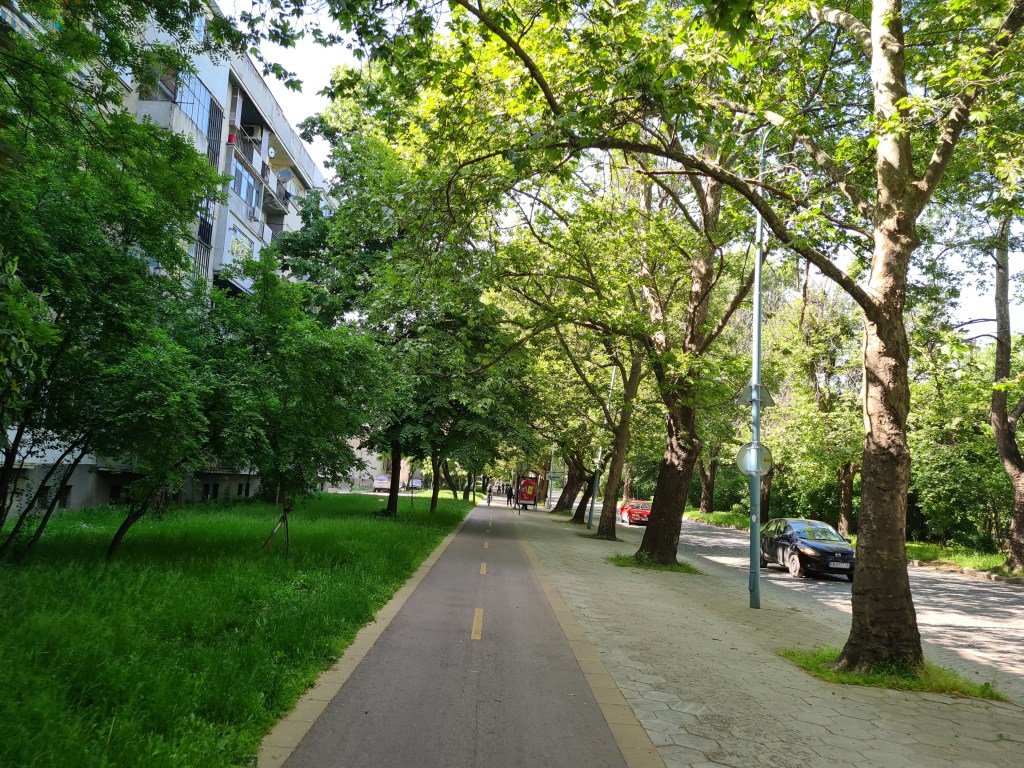
Also, Plovdiv is the greenest city I've ever been to – thick, big, shady trees on every street. Really, I told Sinan when we were in Istanbul and we were riding on Baghdad Street that you know you're in the best part of the city when you see big trees, but in Plovdiv, even in the most distant communist slums (that's what's nice about a bike, you get to see the whole city , certainly if you're looking for a local bike shop for some repair) there were big and beautiful trees.

typical street in plovdic

On the other hand, try to leave the city center on foot. Even the crossing to the old city is quite terrible – when they pedestrianized the main street, they built a two-lane highway in the direction that pretty much cut the old city from the city center (with a tunnel under the hill). I happened to hang out with German couple in plovdiv, and the girl was in a wheelchair, and it was very unpleasant – the first time we had to cross, we just went down to the highway and stopped the traffic. Bulgarians are big believers in underpasses for pedestrians, a terrible thing for pedestrians and especially people who need accessibility (in Sofia it was also as bad). In most streets, the smooth movement of vehicles is still the governing principle in planning there.

And with all that said, I really liked Plovdiv. It's a city steeped in history (5000 years of continuous settlement!) and slopes, which includes a cobbled ancient city, free of cars (and bicycles) and a city center with an impressive pedestrian area, and you don't have to be a genius to understand what it reminds me. I really enjoyed being there and planned to stay and write some posts and a diary (this post was supposed to be written there), but on the second evening there I did what turned out to be a mistake in retrospect, and I checked the weather forecast. I then saw that if I didn't get out quickly to the Rhodope Mountains, I was going to ride in a lot of rain and wind. So the next day I spent the day arraigning and preparing (for example I bought a down jacket instead of the lost jacket, and what can I say, it's ugly but warm), and the next day, after a spending infinite time packing, I set out again.

trial by mud and snow in Rodopi

The first day in Rodopi was also great. What I discovered is that the beauty of the backpacking set-up is not only that you can ride off-road without hesitation, but that you can ride the dead-ends, all the roads that seemingly lead to nothing but dirt roads, which means there is no passing traffic, and the road is almost all yours . I climbed 1000+ meters on asphalt that day (which is better than climbing dirt), and I saw a car once every half hour. serenity.

that's the ghost village i mention below

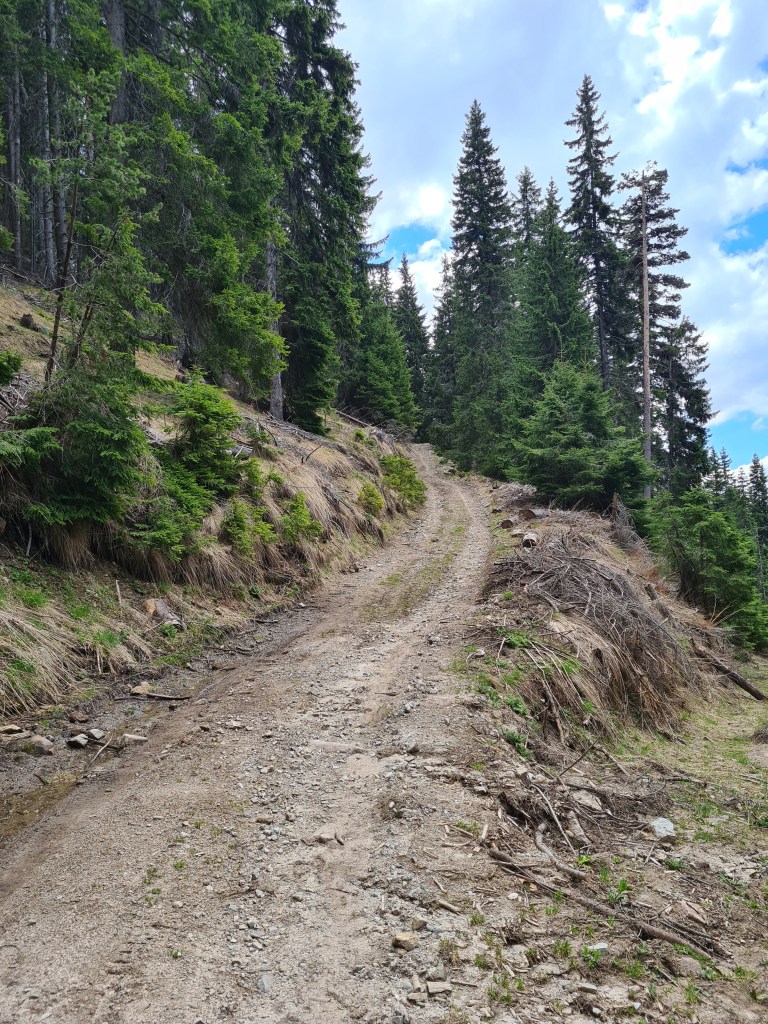
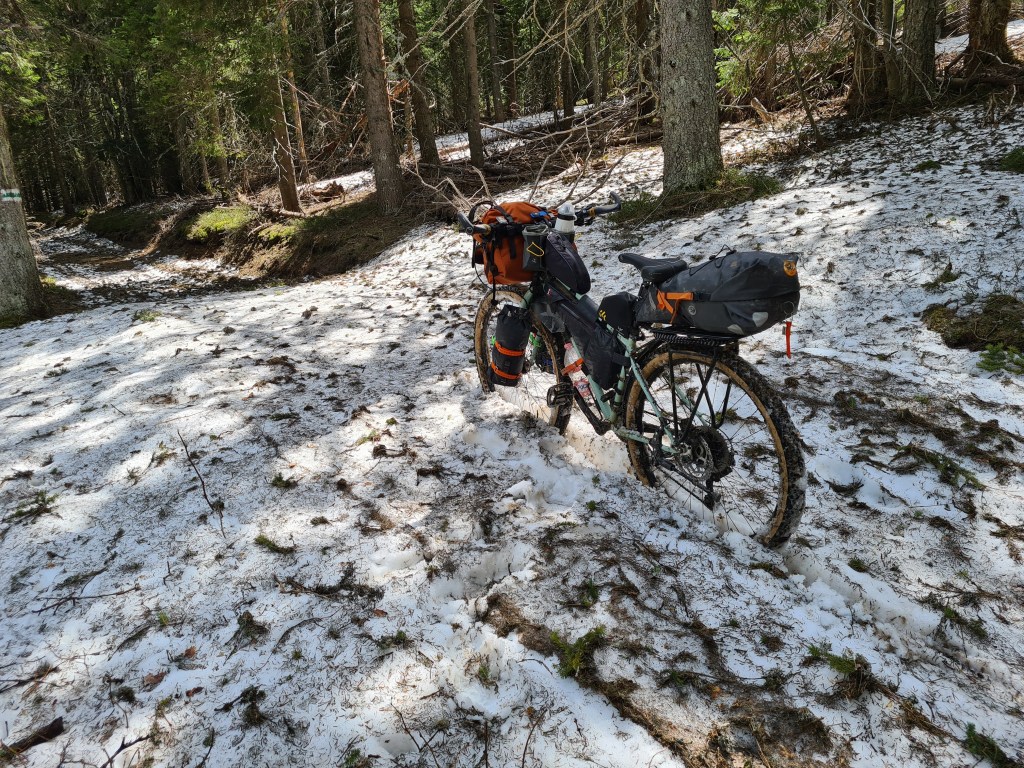
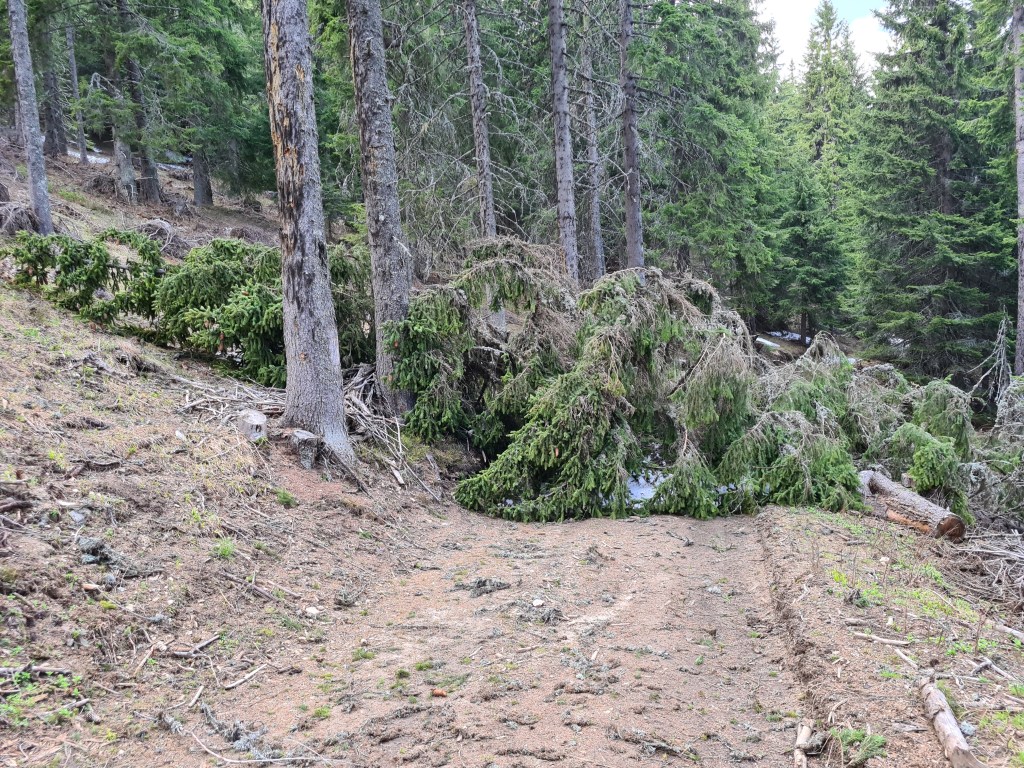
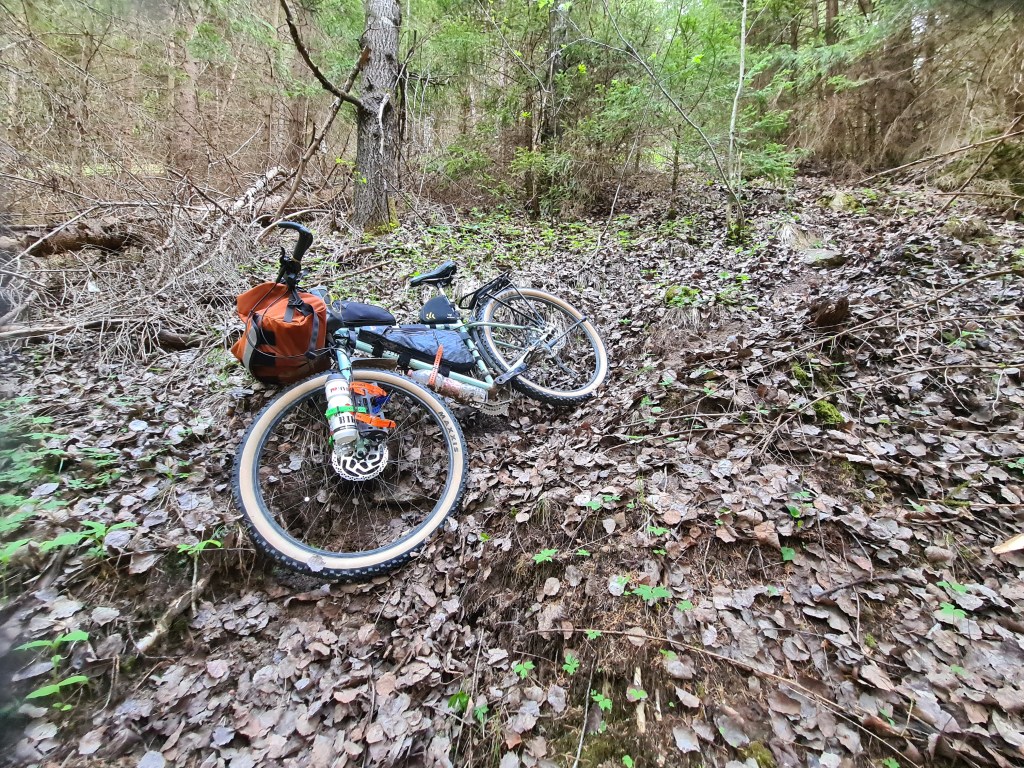
But the right foot-left foot principle came back with a vengeance. The next day was as much fun as a bad day at boot camp. The ascent on the asphalt was replaced by a bumpy road, which alternated with mud with puddles, and all in an upward direction with improbable gradients. I found myself getting off the bike and pushing/maneuvering through puddles more than riding, and of course cursing that damn mountain. After a long struggle I reached the crest of the trail, and I thought that ok, it's mostly downhill from here, or at least a flat-ish, but then I discovered that I had moved to a side in the mountain where the snow had not yet completely melted, and every twenty meters I had to descend and push the bike through a pile of snow, which slowly began to seep into my shoes… so the next few hours also included pushing and grumbling and cursing. Occasionally, to add to the experience, a fallen tree blocked the road, forcing me to go around it in snow/mud/impossible gradients. I went into Powerıng-Through mode with clenched teeth and I'm guessing my rate of progress was about 2-3 mph on the hard parts, but I'm not sure, Because I think the speedometer didn't even recorded my speed some of the time because it was too slow for the sensor. I was amazed to find that somehow I had done 45 km that day.

this is steeper than it looks
walking bikes through the snow is fun for the first time, total despair for the 100th time
can you vehemently hate a tree

And that brings me to an important point – people sometimes ask me "how many kilometers do you ride a day?" or even "'what is the most you rode in one day?". But this is actually not an interesting question. Given reasonable conditions and sufficient riding time in a day, all days usually average out to the same mileage between 80 and 100. No, the interesting question is how few miles have I ridden in a day. Because a full length day with few miles indicates a day of real struggle. Tristan, the guy I mentioned In my first post, wrote on his blog that the day with the most kilometers he did was 330 km (in China), and the day with the least was 8 km (in Patagonia). I asked him about it, and yes, he would definitely take the 330km day over the 8 km day.

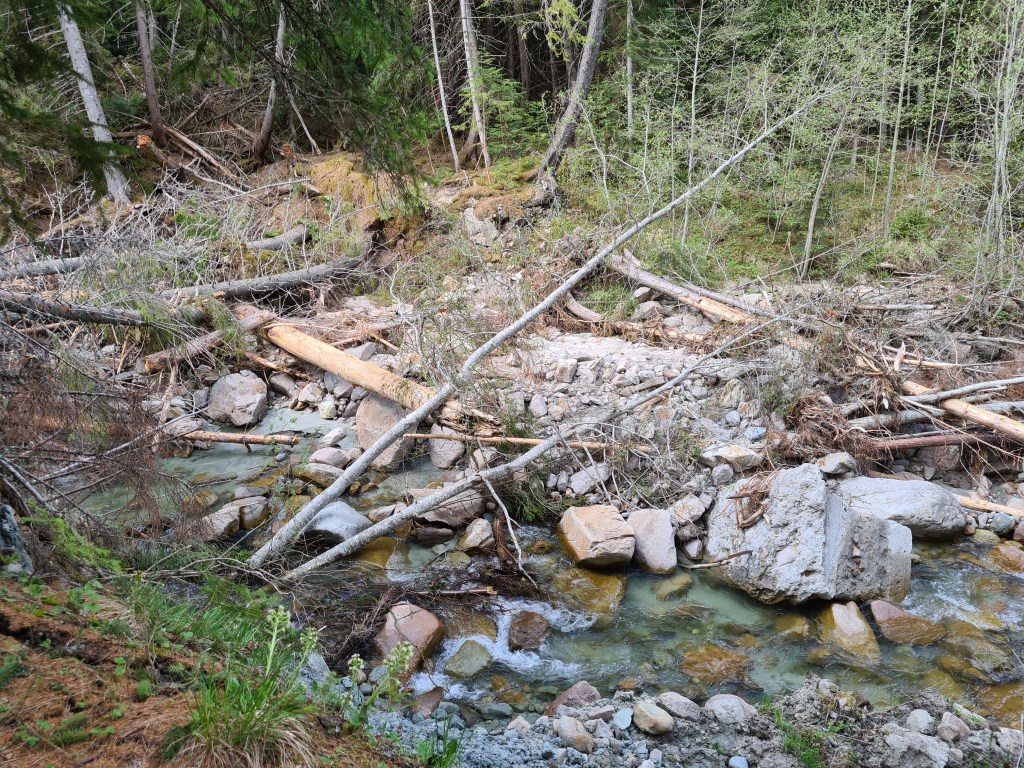
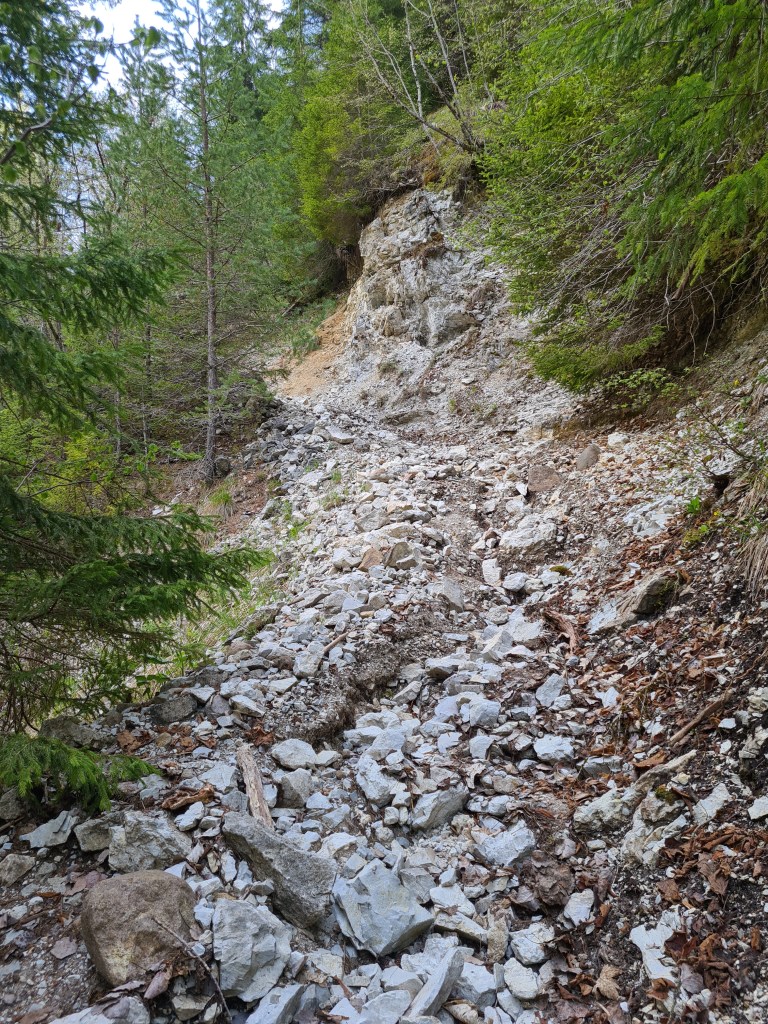
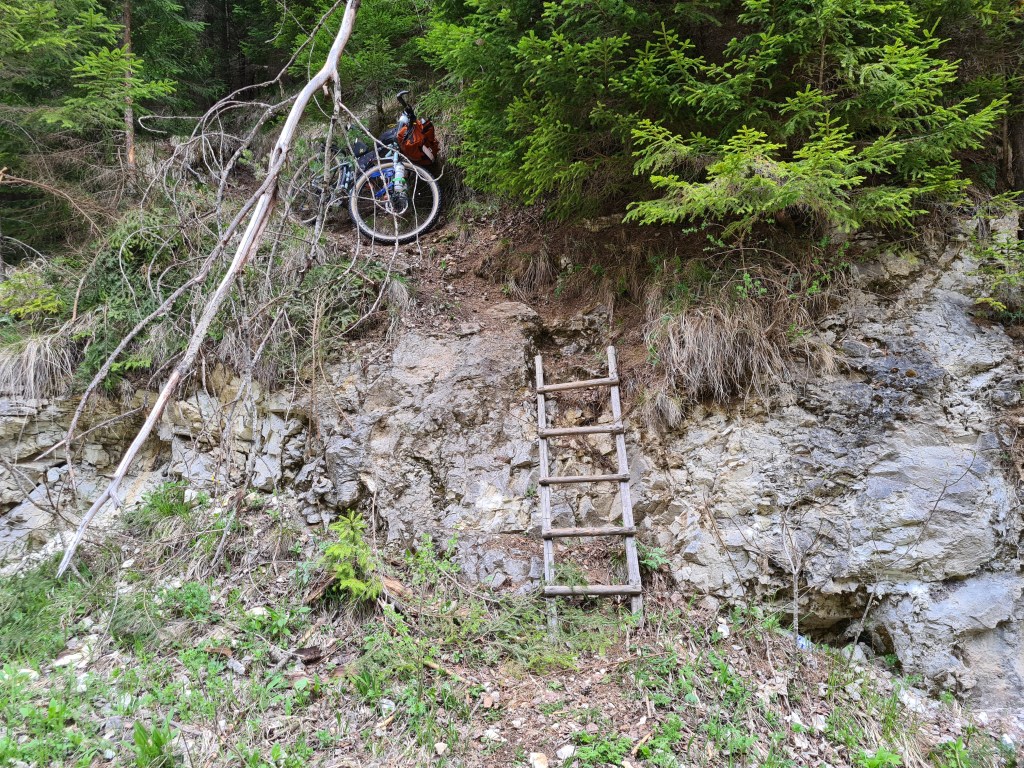
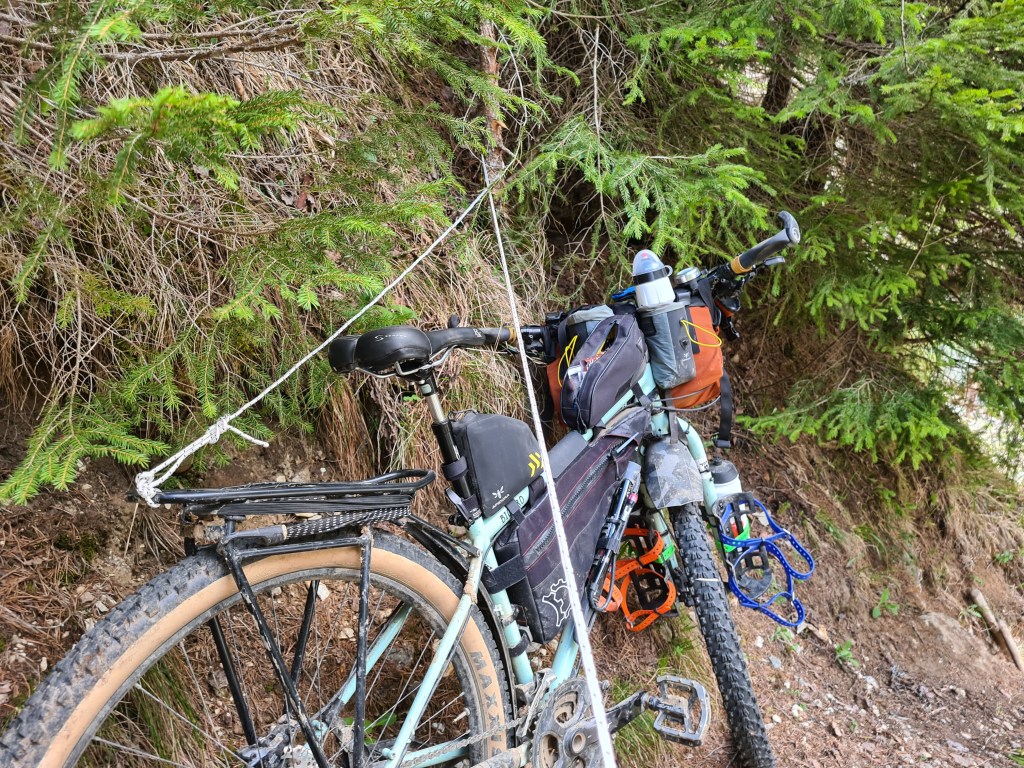
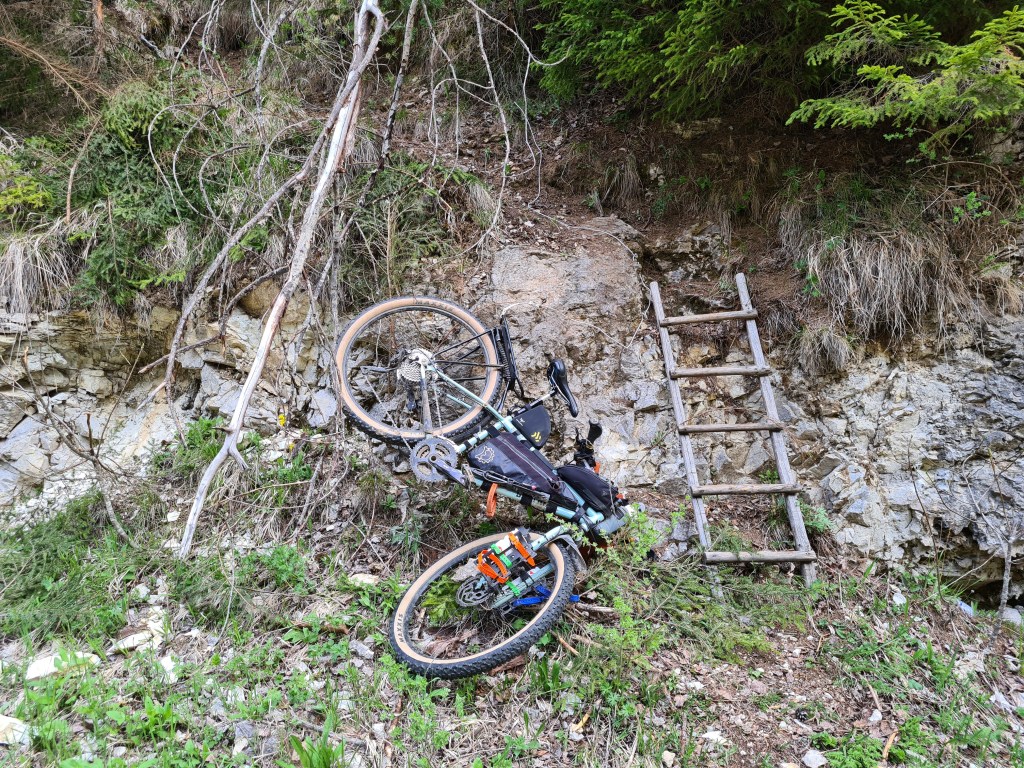
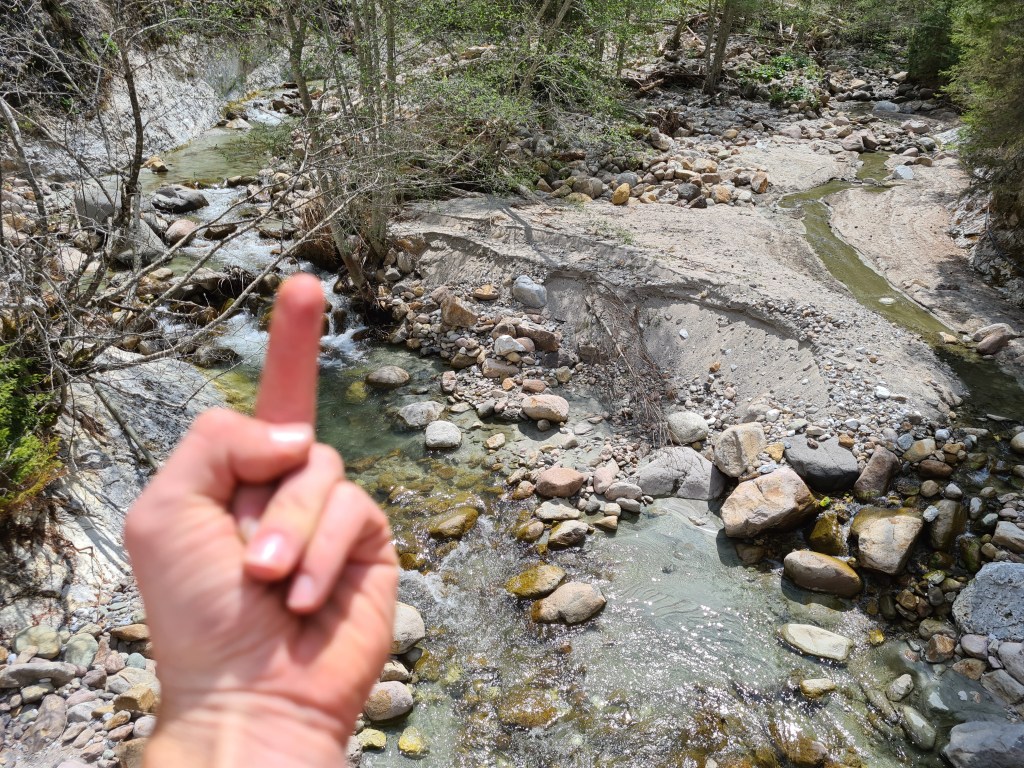
But the real challenge was on the fourth day. After a very successful third day, and an equally successful morning, I found myself in what was a real and complete dead end, not only for vehicles. The story is longer and more complicated, but the bottom line is that I found out that the road I was supposed to cross was washed out by a flood during the winter, which forced me to take a different "route", and walk the bike on descents and gradients that bikes are not meant to be walked with (riding? nobody was thinking about riding at this point). The "highlight" was the final descent back to the dirt road, where I had to overcome a ledge of over one and a half meters straight drop. Luckily, I packed a rope for the trip, and learned some physics. very nervously i slowly lowered the bike most of the step and let it fall the last few dozens of centimeters, but it is a hero bike, and it survived. Exhausted and tired, I expressed my appreciation for the river by urinating into it.

but the map says theres a bridge here
not ridable, or walkable
this is *way* steeper than it looks
Houston, we have a problem
improvising
success….?
well, F*** you too, river

The rest of the day got better, and the day after was wonderful again, and I finally reached Bansko.

The problem is that since I was so worried about a knee problem, of course the pain appeared in my left wrist and I arrived in Bansko already with serious concerns about the continuation of the trip. After half a day of rest in Bansko I decided to take a bus to Sofia to take care of all sorts of related matters, and as I arrived I decided almost immediately that I didn't like it. I may have been slightly biased due to circumstances and mood.

Long story short, I had a zoom appointment with my physical therapist, we identified the problem, and he gave me some stretches to do and other recommendations. Along with changing my handlebars (for the third time since I bought the bike, mind you) and some other helpful advice I got on riders' forums, the situation improved wonderfully, and since then I've done another 4 days of riding into Macedonia (but that's in a separate post). But the three days in Sofia felt to me like a waste of time for a variety of reasons, and I really didn't enjoy the thought of the consequences of this injury, if it continued.

From there I returned by bus to Bansko and after another day and a half of spectacular riding, I left Bulgaria behind. I left with mixed feelings, not because of the more questionable experiences (there were enough great experiences to overshadow them), but because of a certain sense of missing out. When I ride in a certain country, I do strive to try to understand what its story is, and above all, what story it tells itself about itself (which I do feel I got in Macedonia, but that's for the next post). In Bulgaria, because there was always "things to do", I didn't really have time to do it (mostly I'm sorry that I didn't stay another day in Plovdiv, but also that I didn't have time to get to know Sofia a little more than to plow its streets by bike on the way from one bike shop to another). You might be asking, "Then why didn't you stay longer? Where are you in a hurry? You have six months in Europe." So the answer is that it is a constant tension that I live with during the trip. On the one hand, I want to get to know places properly, and do the trip I want to do. On the other hand, Before the start of the trip I built a route by days, and yes, I have a lot of spare time until London (I was supposed to arrive in Calais on August 8, too early by all accounts), but for example, so far I have accrued a gap of 10 days from planning on only one month (yes, I am a month on the road now). True, a lot of this was due to the difficulties of organizing and getting started and injury, and still, in extrapolation, it is a bit worrying. I wouldn't want to arrive in Amsterdam in the pouring rain.

Bansko


In any case, I did get to know Bulgaria a little, and it was an interesting and fun for the most part, and I will end with perhaps the most surprising thing for me that I learned about Bulgaria.

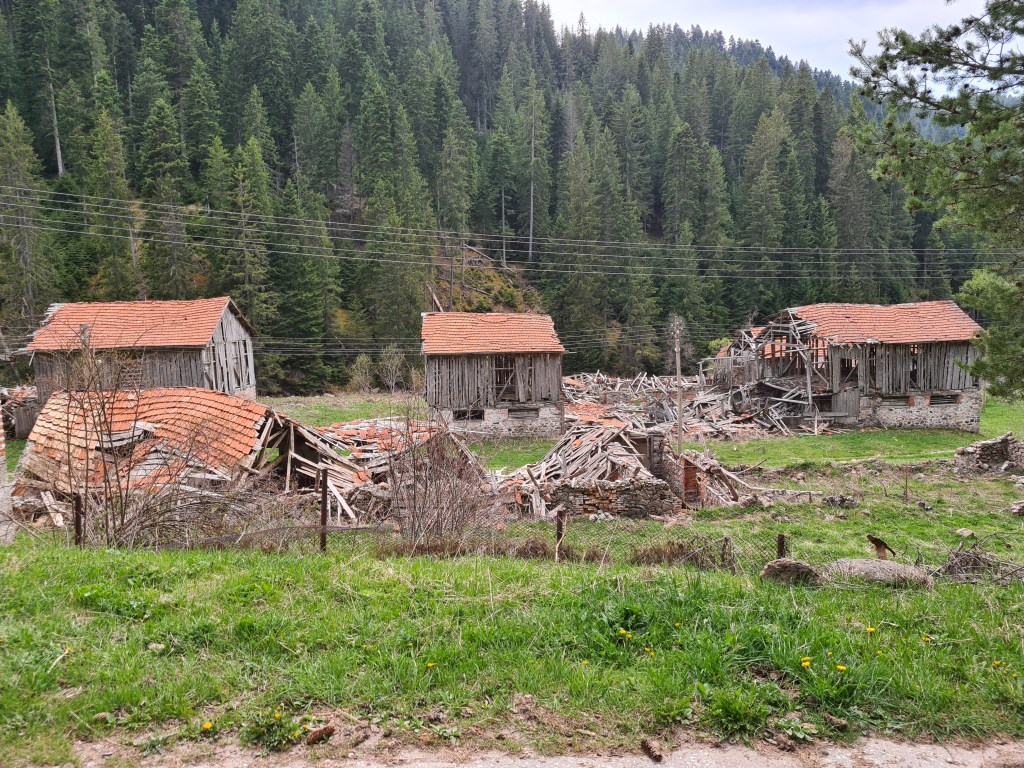
The ghost villages of Bulgaria

At the end of the first day in Rodophe, I had a rather creepy experience. I entered the village in the evening where I planned to sleep and discovered a ghost village. I passed dozens or even hundreds of houses in varying states (from dilapidated to new and beautiful), but not a single person. The only thing that indicated a human presence was something that sounded like a shepherd's flute pouring from an unknown direction from the surrounding hills, but that only made the situation even creepier. For a moment I wondered if I had reached thea reality version of "Straw Man" .

Later on I did meet a young man who came to take care of the horses grazing in the meadow, and it turned out to me that there are 10 permanent residents in the whole village.

Now, already in my first days in Bulgaria I saw that the villages contained many more houses than people, but this was an extreme case. Of course, the fact that they are at the end of a long long road at the top of the mountain contributes to the situation.

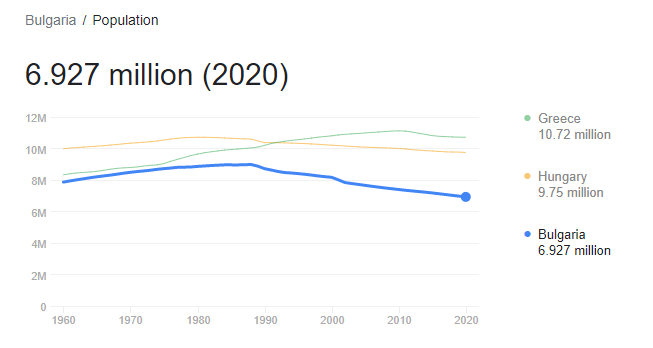
But the basic fact is that the rural areas in Bulgaria are becoming empty of people. Urbanization processes are something that happens in every developing country, and people have always left villages in favor of cities, but in the case of Bulgaria, this joins the general trend of something in Israel we can only imagine (let alone fantasize) – depopulation.

and this looks more or less the same for everywhere in the balkans

And while this is a relatively extreme case, this graph looks pretty much the same for almost every other country in the Balkans/Eastern Europe

Bulgaria, like other countries in the Balkans and Eastern Europe, has suffered a double blow in recent decades. Like many more or less developed countries, people have far fewer children, because a. these children usually survive their childhood, so there is no need for spares and b. people get all kinds of dangerous ideas such as career and self-realization and that. It's just that while Western countries compensate for the decline in the birth rate by immigration, well, guess where this immigration comes from. The Bulgarians, who hold European citizenship (although they are not part of the Schengen Agreement, which is good for me), are simply voting with their feet, because why be a waiter or work as a doctor for a Bulgarian salary when you can get on a train and work in Germany. And of course, it's better to be an Uber driver in Paris than to work in a field at the top of some mountain in the middle of the Bulgarian winter. This is especially problematic because many times they are exactly at the age when people usually have children, which removes both them and their children from the count.

It is not clear where it will go. On the one hand, in Sofia (the only place in Bulgaria that still shows some kind of population growth) and in Plovdiv I didn't see traffic jams, and I guess there is something refreshing about not trying to chase the tail of demographics in an attempt to adapt the infrastructure to a population that is growing at an alarmingly fast rate (not pointing fingers to any country here, ahem ahem). I guess it does give more breathing space to the natural areas, even though there is still quite a bit of deforestation (although in an hour in Bulgaria I saw more trees than in a week in Thrace)

On the other hand, it is clear that from a social and economic point of view this is a huge iceberg on the way to a collision, and this is, as mentioned, a problem that all the countries of the Balkans and Eastern Europe are facing. It's going to have a profound effect on this whole area in the not-too-distant future, and I'm a little surprised that it's not something that's talked about more (I mean, maybe you guys knew this, I'm discovering this for the first time). It may be related to the fact that Western Europe is quite enjoying the current situation, so why should they talk about it. Anyhow, a hundred or so villages in Bulgaria were declared abandoned in recent years, and I think if there is something I will remember from Bulgaria it is the destroyed and empty houses in every village I passed.

Abandoned houses in Mugla

Promises should be kept, sort of

And of course, the solution to the riddle from last week – what is the connection between bicycles, Frankenstein and the Mormon religion?

The answer is – the eruption of the Tamburo volcano, one of the largest eruptions in human history. The following year was called "the year without summer", when temperatures dropped around the world and crops failed. What does this have to do with Frankenstein bikes and Mormons? Well, this post is already long enough, so you are welcome to read the Wikipedia entry about it (specifically the "effects" part), but I would rather listen to the excellent chapter by Memory palace about the story.

And off we go again

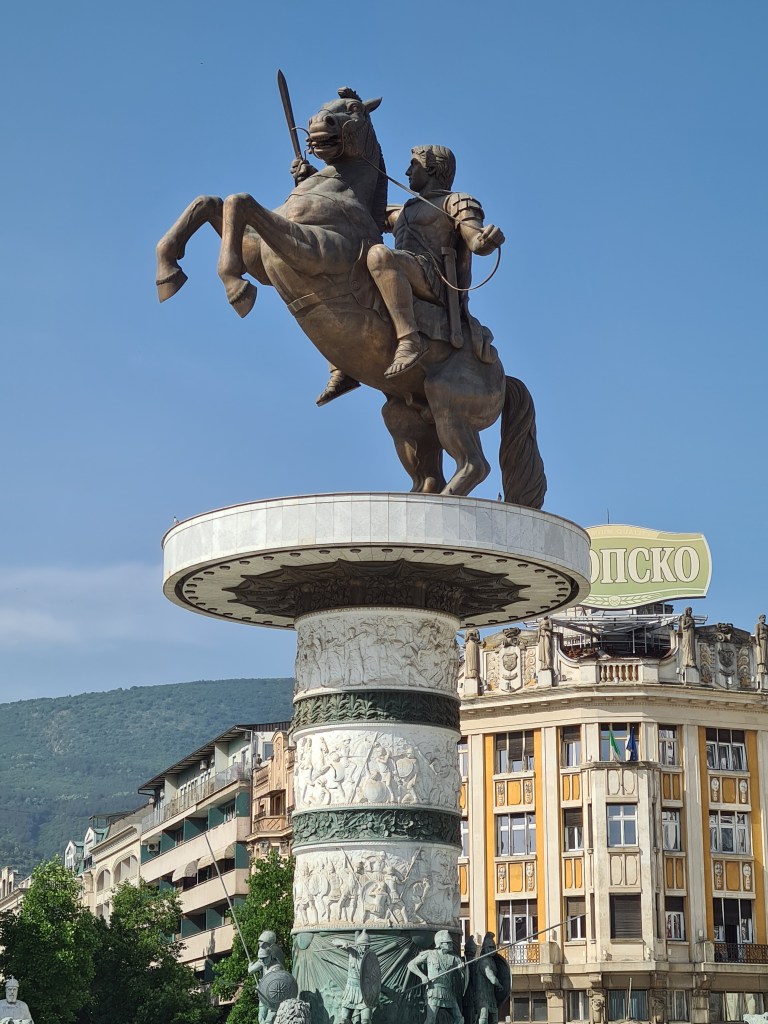
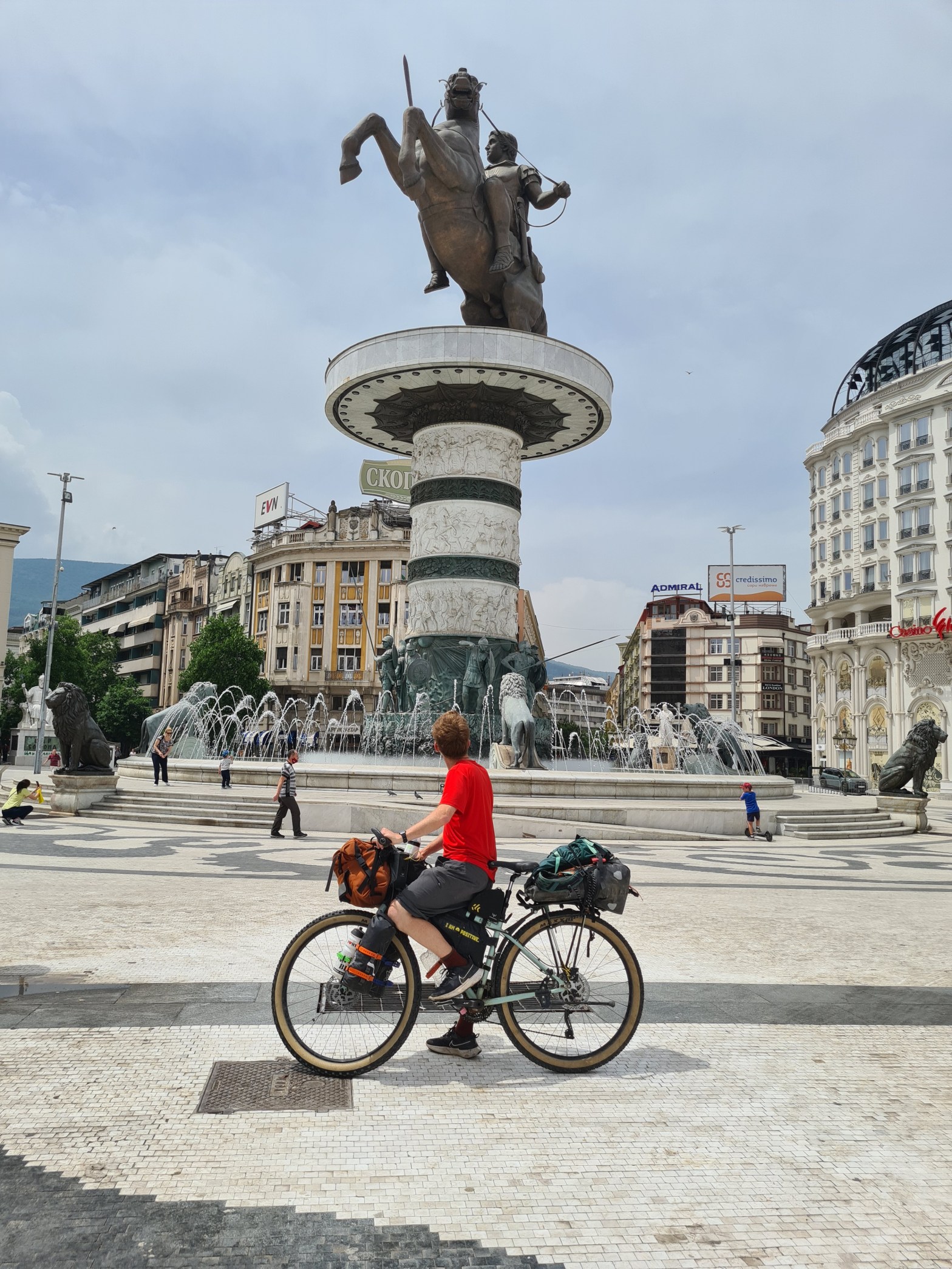
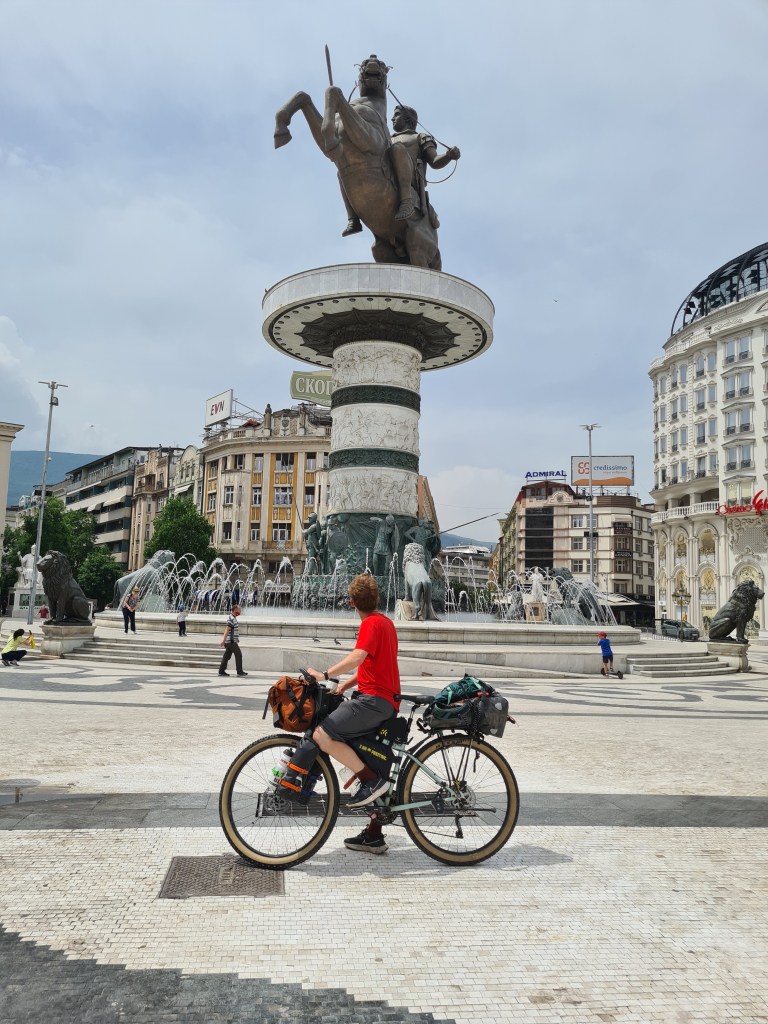
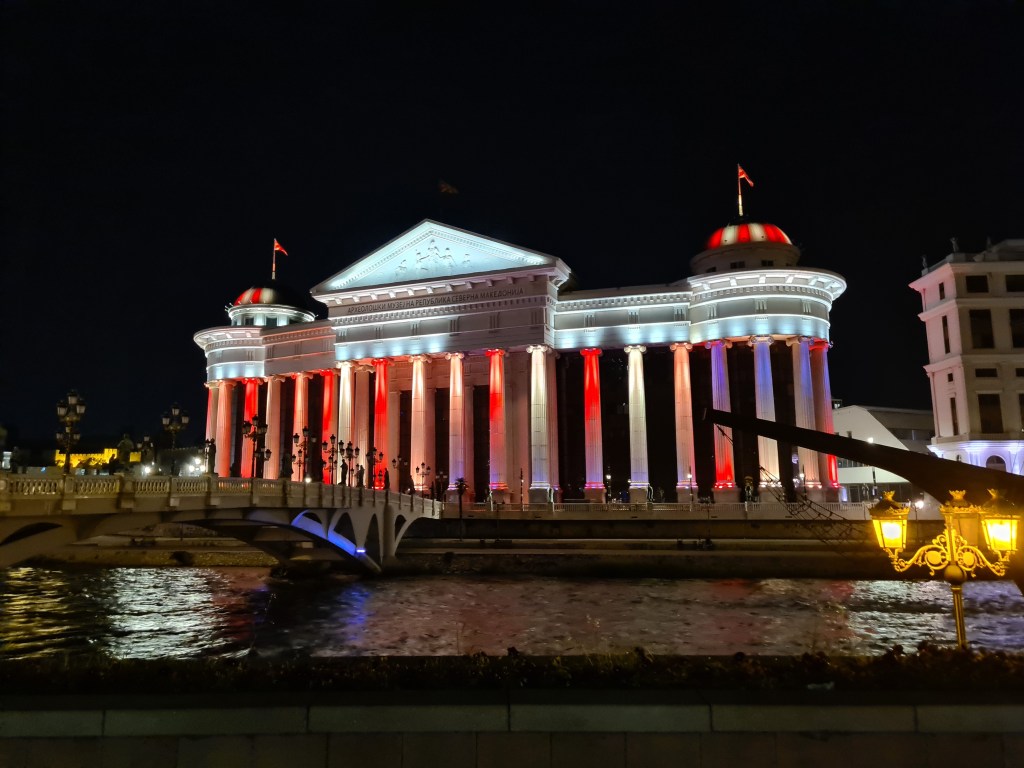
 So that's it for now. It was longer than expected, and I didn't even get to write about navigation issues and life on the road (I write the best posts in my head while riding, you only get the blurb). I am currently in Skopje, and will probably leave tomorrow, although I have not decided where to yet. I have so much to write about Macedonia, but that will wait for another post. In the meantime, get a picture that tells a lot about Macedonia and Skopje – "The warrior on the horse" (and the riddle for next week is who the famous warrior on the horse is, and why the statue is called that and not directly after him)

what's the deal with Luxembourg

I came to Luxembourg with one aim – to understand what this tiny country is all about. Only this tiny size seems so… strange, between the two huge territories of Germany and France. As a resident of a country that doesn't exactly manage to get its name within its territory on world maps, and knowing that there is a complex story there, I wondered how Luxembourg came to be. and also, i was very curious what's it's like to live in such a tiny state. so yeah, i had some questions.

and boy, did I get some interesting answers.

stuck in the middle

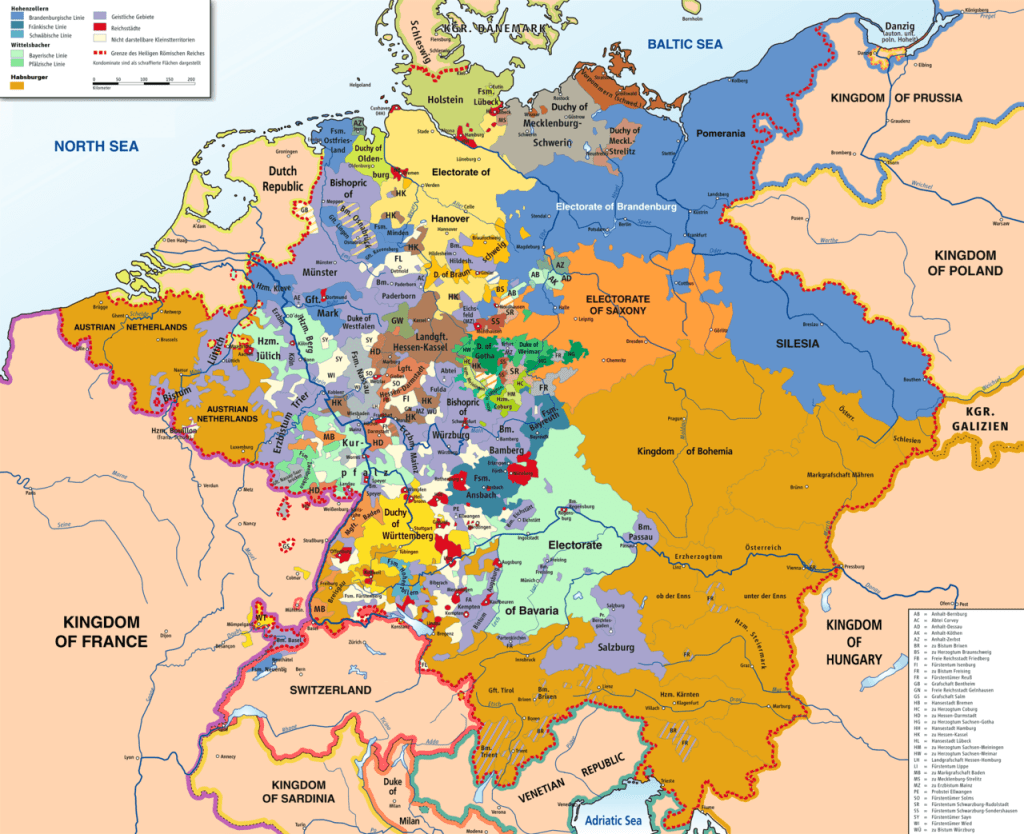
The first thing I realized is that I have a rather anachronistic perception of "states", viewing them as something that was always some huge whale. If you look back 200 or so years, or even less, all of Europe was full of small and independent kingdoms, from the city-states of northern Italy to the countless principalities of Germany. One of the most important historical processes of the last 200 years in Europe was the consolidation of many of these independent entities into two large states – the  Risorgimento  (the union of Italy under the House of Savoy), and the Blood and Iron of Bismarck which created Germany. Switzerland is also a union of 25 entities that thought they had a better chance of surviving in the world together than separately (but kept a very federal structure). The French, for their part, swallowed most of the small kingdoms around them into one kingdom even before that (like Alsace and Lorraine). This is of course not a one-way process – Belgium, for example, split from the Netherlands in 1830 (but it was a very forced marriage from the start), and I think we've talked enough about the breakup of Yugoslavia. But in the Luxembourg area, all these small principalities were simply swallowed up by Germany and France. So the next question is – why Luxenburg was not swallowed as well.

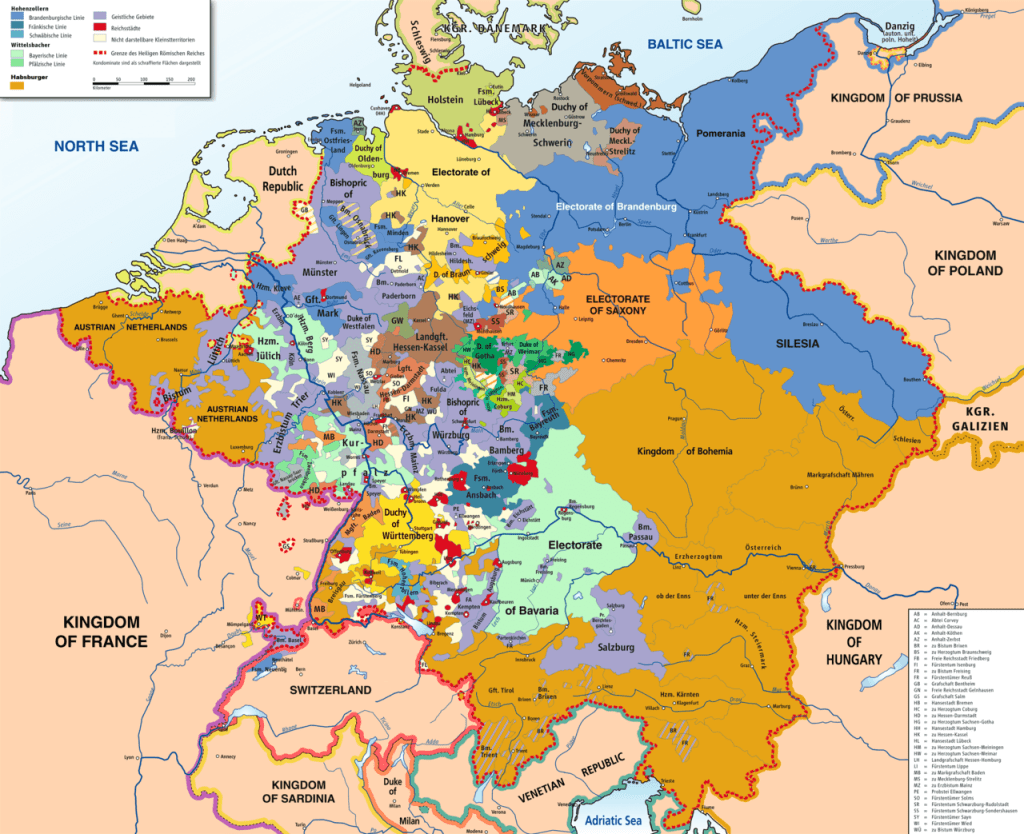
the Holy roman empire, circa 1789. what a mess

The answer is complex. First of all, it should be said that Luxembourg was not always a small and insignificant-looking country. For several centuries, the Duchy of Luxembourg was one of Europe's most powerful aristocratic houses, competing head-to-head with the House of Habsburg for control of the Holy Roman Empire. But in 1443 there were no male heirs left to the duchy, and control of it and its territories passed to other noble houses in Europe (with all the marriage systems and complex relationships of the European noble houses). Over the next 400+ years, Luxembourg began to change hands between the great powers, mainly the Austrians and the Spanish (but still within the House of Habsburg).

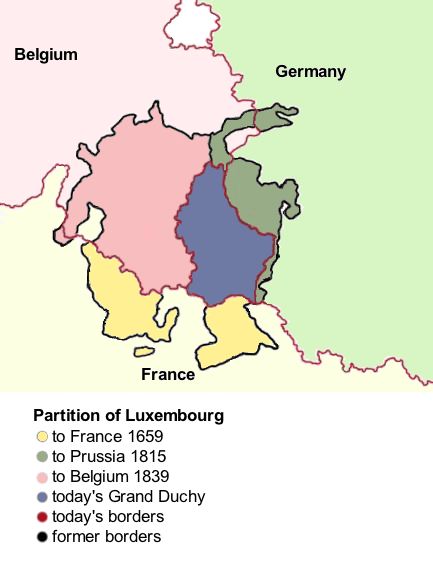
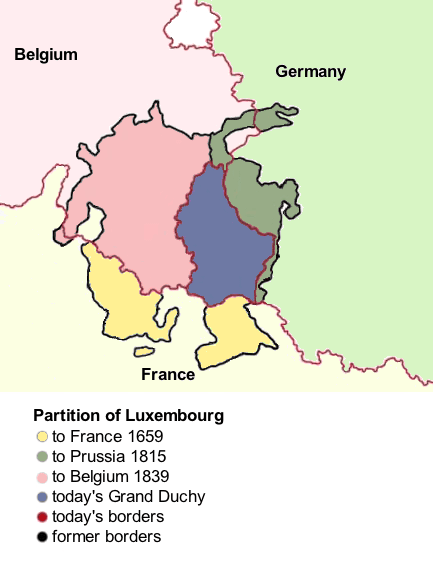
Secondly, it should be noted that in terms of its size, it was not always such a small duchy, the original territory of Luxembourg was about 4 times its current size. They just lost territory over the years to the French*, the Belgians and the Germans.

And above all, and this is perhaps the thing that surprised-me-the-most-but-shouldn't-have, Luxemburg has a very clear national identity. The Luxembourgish language  , for example, is a distinct language (which is considered a West Germanic language, but with many words borrowed from French), and is one of the three official languages ​​of Luxembourg. But all this, for example, did not help the Duchies of Alsace and Lorraine or the multitude of German principalities that were in the area, and Luxembourg lost its political independence long before them, and somehow re-emerged in the 19th century. So how did it happen? 

Well, there are two possible answers here. One answer is that, as Jared Diamond has already taught us well in Guns Germs and Steel, and every real estate agent knows how to say as well- location location location. Or in other words – geography. And you can even say two types of geography that played out here.

The first type is the fact that Luxembourg sits exactly not only between what can be called the Francophone region and the Germanic region (for Alsace-Lorraine it didn't help), but it also sits between both of them and the Netherlands. A small country next to a large empire is always in danger of annexation. A country between two empires, on the other hand, is a buffer zone, and annexation to one can lead to a declaration of war by the other, as indeed happened to Luxembourg.

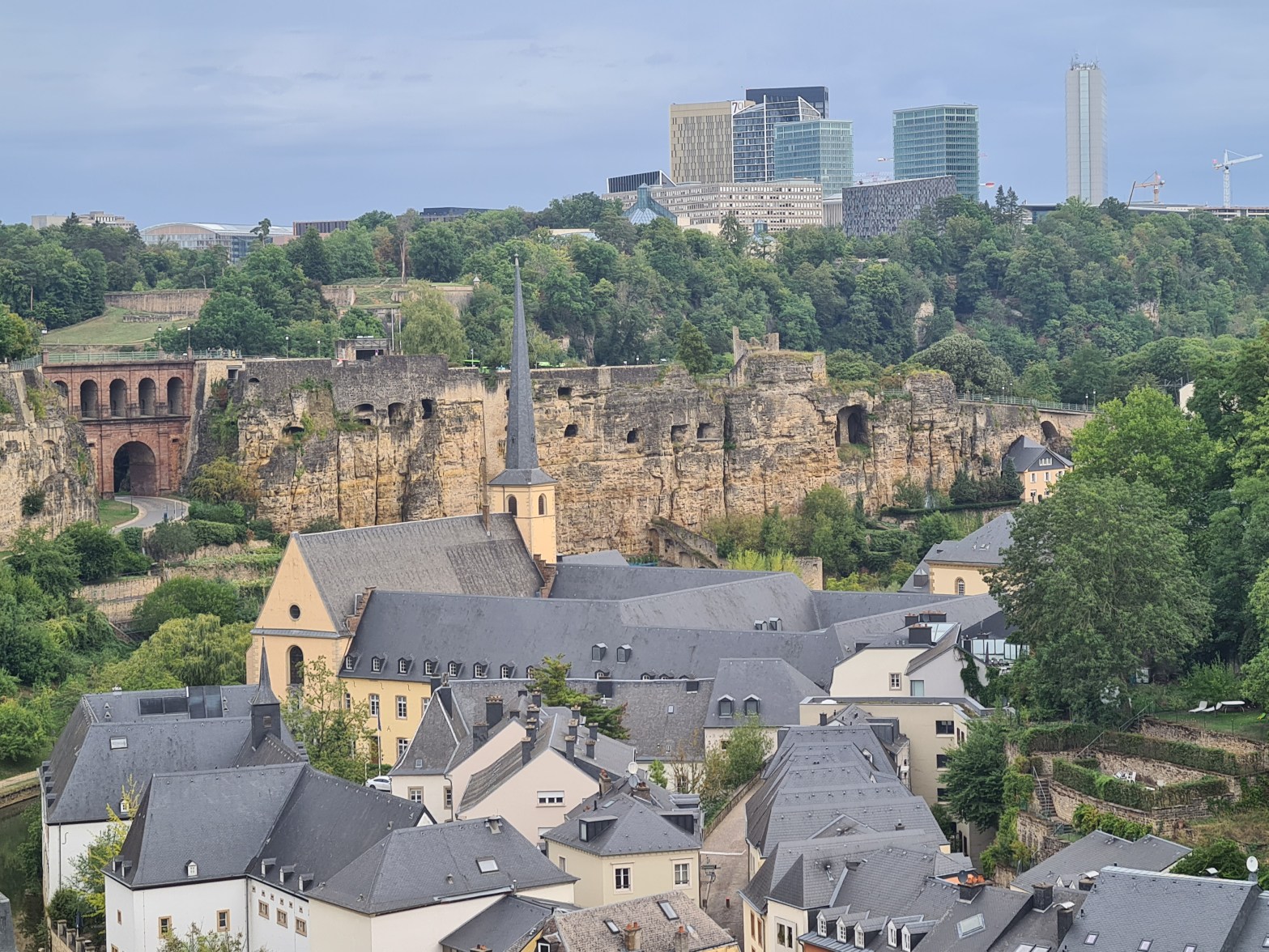
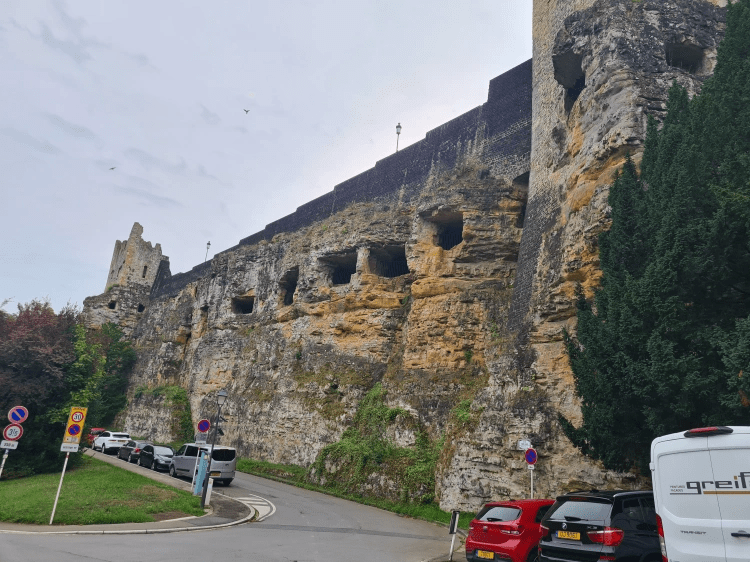
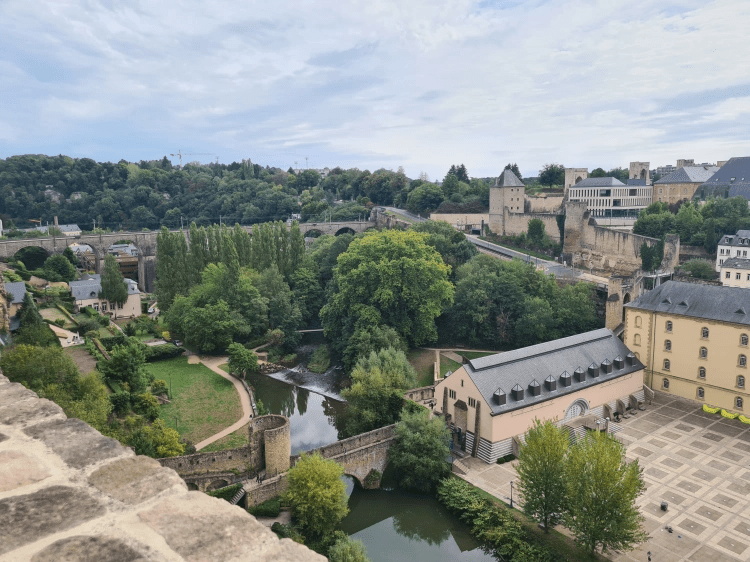
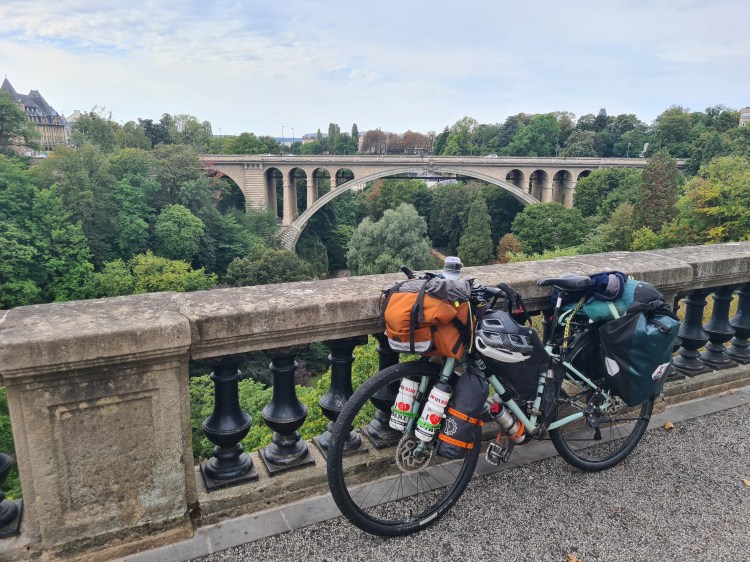
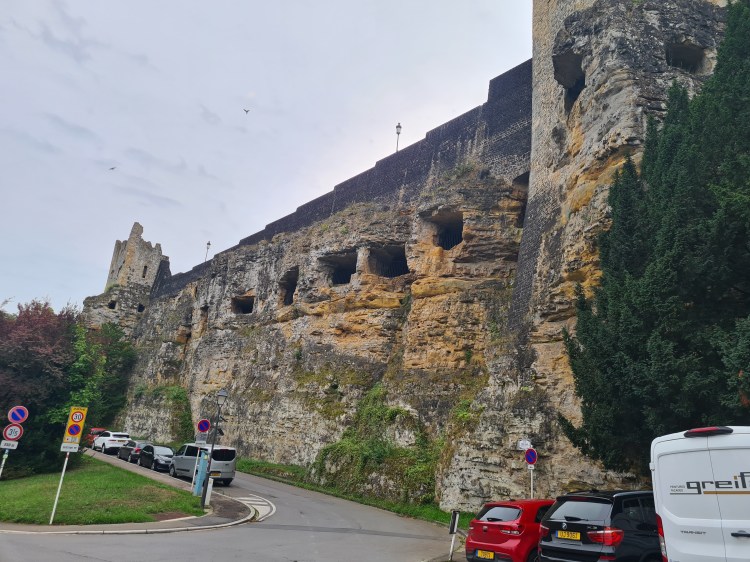
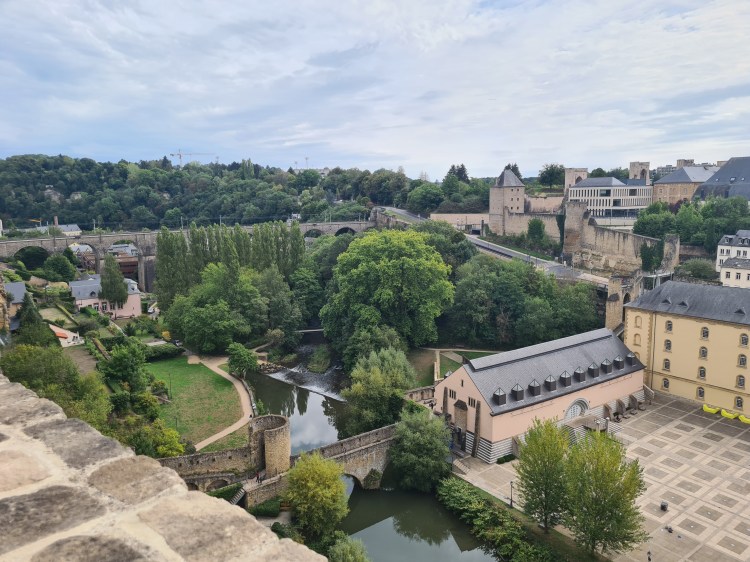
And the second important geographical detail is the topography of its capital city. Luxemburg-City was deliberately founded at the meeting point of two small but deep-cutting rivers, which left a kind of plateau surrounded by cliffs from three directions. So it is possible to concentrate all the fortifications in only one direction (west), making the city easy to defend. Over the years, an impressive system of fortifications was indeed established there, which included a formidable fortress, high walls and also a network of underground tunnels that helped to get from place to place quickly. This made Luxembourg City a city of significant strategic importance. It is not that it was impossible to conquer, it was conquered a couple of times, but you had to work for it. For example, in the wars of the French Revolution it took the French seven months to conquer it, and it received the nickname "Gibraltar of the North"**. Not much remains of these impressive fortifications today, but not for the usual reasons that fortifications usually disappear.

what remains of the fortress

The point is that Luxembourg has become a very strategic area. When the Napoleonic Wars ended, the powers decided to annex Luxenburg to the Dutch crown (along with Belgium), but it also remained part of the German Confederation at the level of trade agreements, and with a Prussian army sitting there and controlling its fort, because Prussia was on the winning side and try to tell them otherwise. The Belgians tried to annex Luxenburg when they gained independence from the Dutch, and got the western part, but not Luxembourg city and it's surrounding, becuase Prussians really liked that fortress, and had no intention of giving it up.

In the middle of the 19th century, the historical rivalry that defined the fault line of Central Europe for hundreds of years, between Austria and France, began to be replaced by the rivalry that would define almost the next 100 years, the one between Prussia and France, and Luxenburg was right in the middle of this fault line. Accordingly, in 1868 the Luxembourg crisis broke out, which is complex and fascinating and full of complicated geopolitics, but its bottom line was that none of the main powers in Europe – France, Prussia and even England (which tried to protect the interests of Belgium, its strategic ally), could not allow Luxembourg and its fortifications to be in the possession of the other side, but no one was interested (at this point) in going to war against the other powers to get it for themselves. classic buffer zone politics. So they agreed to make it neutral, and to make sure it remained neutral, they dismantled all the walls and fortifications and underground tunnels, which A- makes the fort in Luxembourg one of the only forts to be destroyed by a peace treaty and not during a war and B- is a bit of a shame from the historical/archaeological perspective, because it must have been a really impressive fort. On the other hand, where the walls used to be, today there is a very nice and beautiful public park.

But all these changes of hands created in the residents of Luxembourg a sense of disgust at being a pawn in the struggle between great powers, and a clearer national identity began to develop. Luxembourg remained nominally under the Dutch crown for another 20 or so years, but in 1890 Wilhelm III, King of the Netherlands died, and Wilhelmina, his only daughter, ascended the Dutch throne. The Luxembourgers were like this "Oh, if you remember, our laws state that only male heirs can inherit a kingdom, so Byeeeee”, and 447 years after they lost their sovereignty due to a similar succession crisis, they declared independence. The duchy passed into the possession of some distant cousin of Wilhelm's, who had no idea what was going on in Luxembourg anyway, so he pretty much left them to fend for themselves.
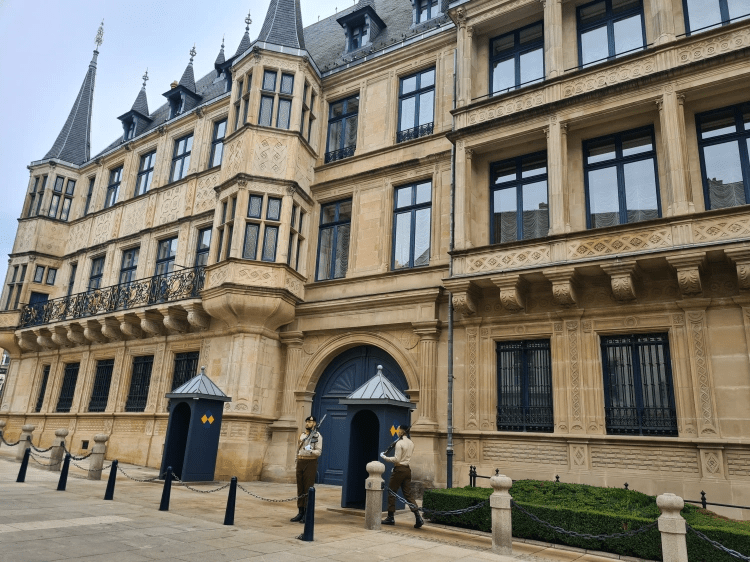
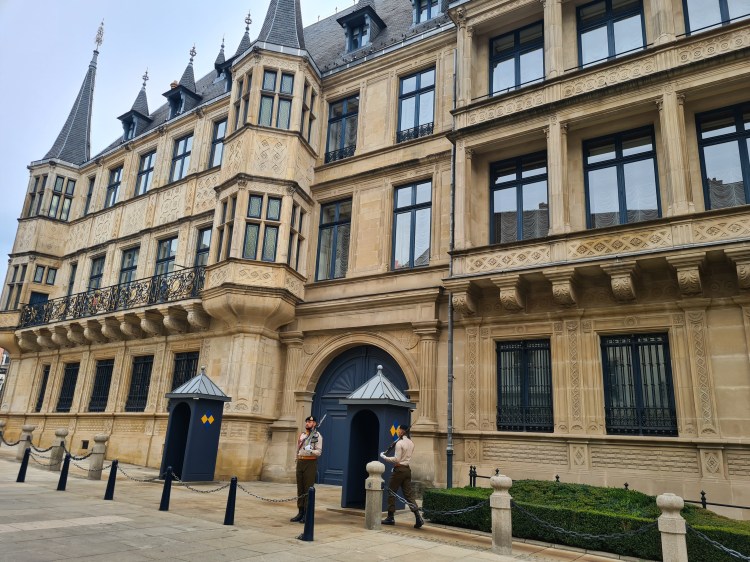
By the way, Luxembourg is *still* a duchy (archduchy, to be exact), and like neighboring Belgium and the Netherlands (and several other European countries) still have kings, Luxembourg head of state is still the archduke, who sits in a cute little palace in the center of the city and doesn't do much.

The first half of the 20th century was not easy for Luxembourg, with German occupation in the First World War, near-annexation to France after it, Nazi occupation and quite an extensive destruction in World War II***. While in World War I, Luxembourg still tried to maintain neutrality (even though Luxembourgers served and fell in the service of the entente Powers), in World War II Luxembourg was clearly and unequivocally on the side of the Allies. The second half of the 20th century was already a completely different story, but we'll get to that in a moment.

So yes, you can say that the reason Luxembourg is still independent is a result of its geography. But geography created the circumstances that made it possible, and it must be said that nothing *had* to happen the way it did. There is a considerable amount of luck and historical coincidences here. If Prussia or France had been stronger or more aggressive during the Luxembourg crisis, one of them might have annexed it. And if King Wilhelm had sons, it is possible that, like the Maastricht region, Luxembourg was part of the Netherlands today. I am aware that this is a somewhat anticlimactic answer, but what can you do, nothing in history is "destiny".

Footnotes

*A word about the French and territorial ambitions – while everyone likes to make fun of the French army, and in general the French today seem like a very nice and gentle people, during the last millennium it was often a very aggressive nation with expansionist tendencies, and with quite impressive military successes. They always saw Rhine as their natural border, and it was very difficult to convince them otherwise. Even if we put the madness that is the Napoleonic wars aside, I happened to pass through several cities where part of their story was "then Louis XIV came and conquered/besieged/burned it". Luxembourg was one of them.

**Although in my opinion the more appropriate analogy is " Constantinople of the North ", if you look at the shape and the fortifications, but I understand that I'm a being a petty nerd here

***Approximately 2.45% of the population of Luxembourg was killed in the war, including between 1,000 and 2,500 of the Luxembourg Jews who were murdered in the Holocaust. The underground tunnel system, which was part of the fortification system at the time, was also used as a hiding place for a significant part of those who survived, and also for the Luxembourgers who tried to evade the German conscription

?Stay as we are

So this is about why there is Luxembourg at all. But what is it like to *live* in Luxembourg?

Well, expensive and international. If there's one thing people know about Luxembourg it's that it's stinking rich. This is the country with the highest GDP per capita in the world (ok, Lichtenstein and Monaco have a higher GDP but come on, 40,000 citizens is not a country, it's an overly ambitious town) and as the guide of the tour I was on in Luxembourg said, everything in Luxembourg is small except for the salaries. After World War II, they invested a lot in their heavy industries, especially in iron, and experienced accelerated economic development. Their iron industry had an important significance beyond the economic growth it brought, and that it made Luxembourg one of the founders and main pushers of the ECSC, the European Coal and Iron Community, the forefather of the European Union, and Luxembourg is still a very active member of the Union. The Schengen area, meaning all the countries you can travel between without a passport within Europe, is named after a village in Luxembourg called Schengen, where the treaty that created this area was signed, and Luxenburg City is one of the four capitals of the European Union. Beyond prestige, it also brings a lot of international workers and creates a lot of jobs in Luxembourg. But there is no doubt that as of today the bulk of Luxembourg's economy relies on the finance and banking industry there, although heavy industry is still alive and kicking, and tourism also contributes its share (Luxembourg is a wonderfully pastoral place, including Luxembourg -City).

And all of this, together with its location among all the other countries, and the fact that from day 1, it was at the center of the European Union (when it was still only France, Belgium, the Netherlands, Germany and Luxembourg. Oh, and Italy), makes it an occupational gravity well, which pulls a lot there People from surrounding countries to work there. A little more than 600,000 residents live in all of Luxembourg, but every day about 200,000 (!) commuters from neighboring countries enter it. Yes, about a third of the country's population enters its border in the morning and leaves in the evening (including, for example, my hosts in Metz, France). It's pretty crazy.
And as we all know, commuting = traffic jams, and both the roads and the trains are packed every morning (by the way,  public transport is free in Luxembourg). The Luxembourg government is trying to encourage people to work from home, but it's not that simple, because if a French person allegedly works for a Luxembourg company, but spends most of his working days in France, To whom should the workplace pay its employee taxes ? Luxembourg had to negotiate with each country separately to reach agreements that would allow people to work from home at least part of the time. 

By the way, Luxenburg is the first country in Europe to fully legalize the cultivation of marijuana (in the Netherlands the use is legal but the production is illegal. A strange Dutch thing), which created another point of contention between it and France. The French were concerned that all the workers who move between Luxembourg and France every day would also bring with them loads of marijuana, and demanded that Luxembourg set up checkpoints at the exits from Luxembourg to France. According to the guide, the Luxembourg government was like, "no, grow up" (or the diplomatic equivalent). 

By the way, one of the reasons that all those people travel to Luxemburg every day, and don't just move there is that Luxemburg-City is a terribly expensive place to live. Its wealth radiates out to the neighboring countries, and even in Arlon, across the border in Belgium, my host said that she sees how prices there are rising, like a kind of suburb of Luxembourg.

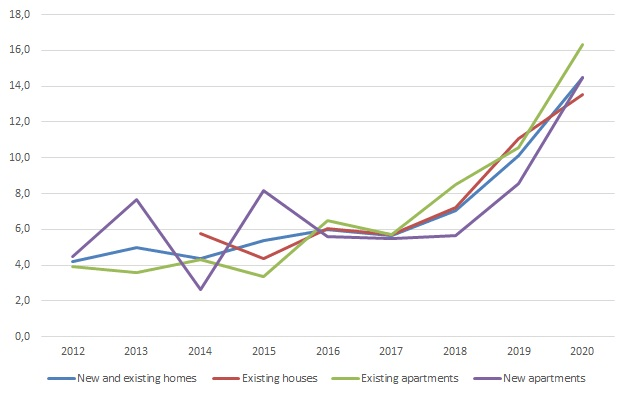
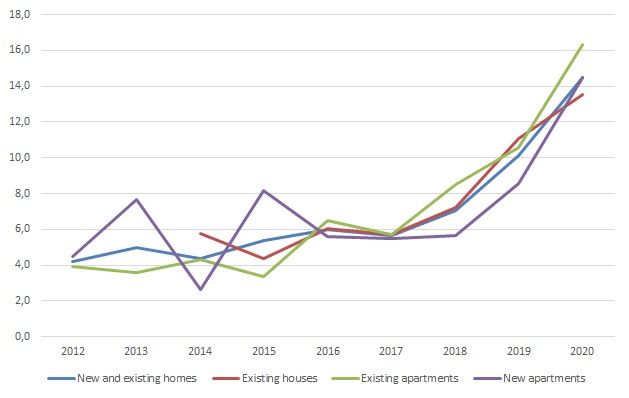
But a lot also move to live there. Of the 600,000 thousand inhabitants in Luxembourg, almost half are not citizens at all! About 47% are foreign citizens who came to live in Luxembourg, and if you look at Luxembourg City itself, this number already rises to 70%. In fact, Luxembourg is already becoming too expensive for the Luxembourgers themselves – quite a few Luxembourg citizens are moving to the suburbs or even beyond the border, to place like Arlon, because they can no longer afford to live in Luxembourg City itself. One of the biggest blows to the housing market in recent years, of all things, was Brexit – a lot of Brits work in the finance industry there, and could work there easily, being EU citizens, but after Brexit (apart from the fact that some British banks apparently opened branches in Luxembourg so they can operate more easily ) Many Brits had to show that they had an address in Luxembourg, or actually move there, in order to continue working there. Which means that a lot of Brits with money started buying apartments in Luxembourg, and prices shot up, pushing a lot of people to the suburbs and beyond.

Housing sales price statistics in Luxembourg. thanks, Brexit!

Luxembourg is a true multilingual country, and while Luxembourgish is still the Native tongue of the Luxembourgers, German is used in the media and in the courts, and French is the official government language and appears on all street signs, and the language in which most businesses are conducted. Most Luxembourgers know at least one of them, if not the both*. In most of the shops you will enter in Luxenburg-City, it is likely that the seller will speak French as his native tongue, because he arrived this morning from France to work here. In addition, naturally for such a small country, much of the popular culture is imported from the neighboring countries. with all that accumulating, one can understand why the Luxembourgish language was declared an endangered language by Unesco – even though the absolute number of Luxembourgish speakers is the highest it has ever been (technically), their percentage in the Luxembourg population is decreasing.

And all of this raises questions about the future of the Luxembourgish identity, and what it is to be a Luxembourgish. Even if we neglect the Luxembourgers who were economically pushed across the border (because this is probably not a widespread phenomenon yet), the steady stream of migrant workers settling in Luxembourg means that the percentage of Luxembourg citizens in the general population is decreasing, and as mentioned in Luxembourg City itself they are already a minority today. One wonders how it is possible to maintain a situation in the long run where a country holds democratic elections that affect all residents, but only a minority of them are allowed to vote**. And as I said, there is a real fear that French will just slowly push out Luxembourgish as the main language in Luxembourg (as, by the way, has already happened to the local languages ​​in Alsace and Lorraine, and even in Eastern Belgium, which was once part of Luxembourg), because it is simply more useful on a daily basis.
it is a real question whether Luxembourg, as a distinct national entity, which has survived 400 years of conquests, annexation attempts, a struggle between superpowers and two world wars, will survive its own economic success.

During the national awakening in the 19th century, a poem was written in Luxenburg that became the anthem of their quest for independence –

Kommt hier aus Francaise, Belgie, Preisen,
Mir wellen iech ons Hémecht weisen,
Frot dir no alle Seiten hin,
Mir welle bleiwe wat mir sin.

And in English translation –
Come here from France, Belgium, Prussia,
we want to show you our fatherland
ask in all directions,
We want to stay what we are.

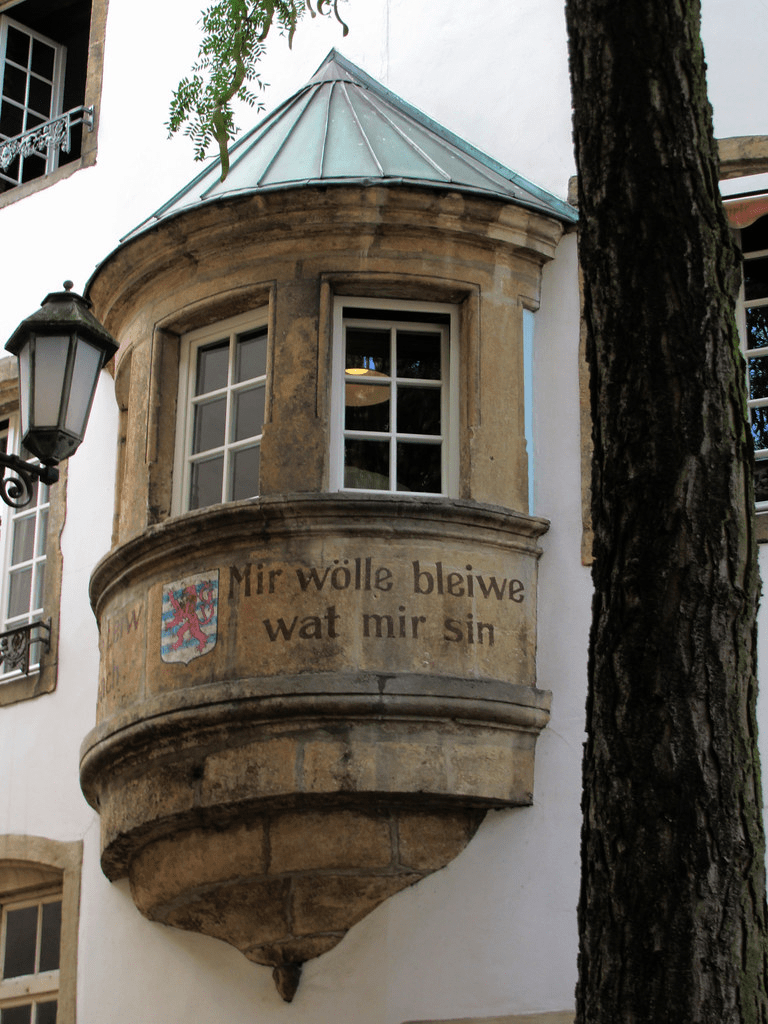
The last line, "We want to remain as we are", has become the national motto of Luxembourg, which appears on monuments around town. And while Prussia, Belgium and France do come to see the fatherland every day, I have some doubts whether Luxembourg will stay what it is.

מה הקטע עם לוקסמבורג

הערה-

באופן מרגיז למדי, הבירה של לוקסמבורג המדינה היא לוקסמבורג העיר. לא מבלבל בכלל. אני אנסה לציין לוקסמבורג-סיטי איפה שאני מדבר על העיר, אבל ייתכן שפה ושם אני אפספס גם את זה. אני לפחות חושב שהצלחתי לנקות את כל המקומות שהיה כתוב בהם "לוקסנבורג". מוח טיפש.
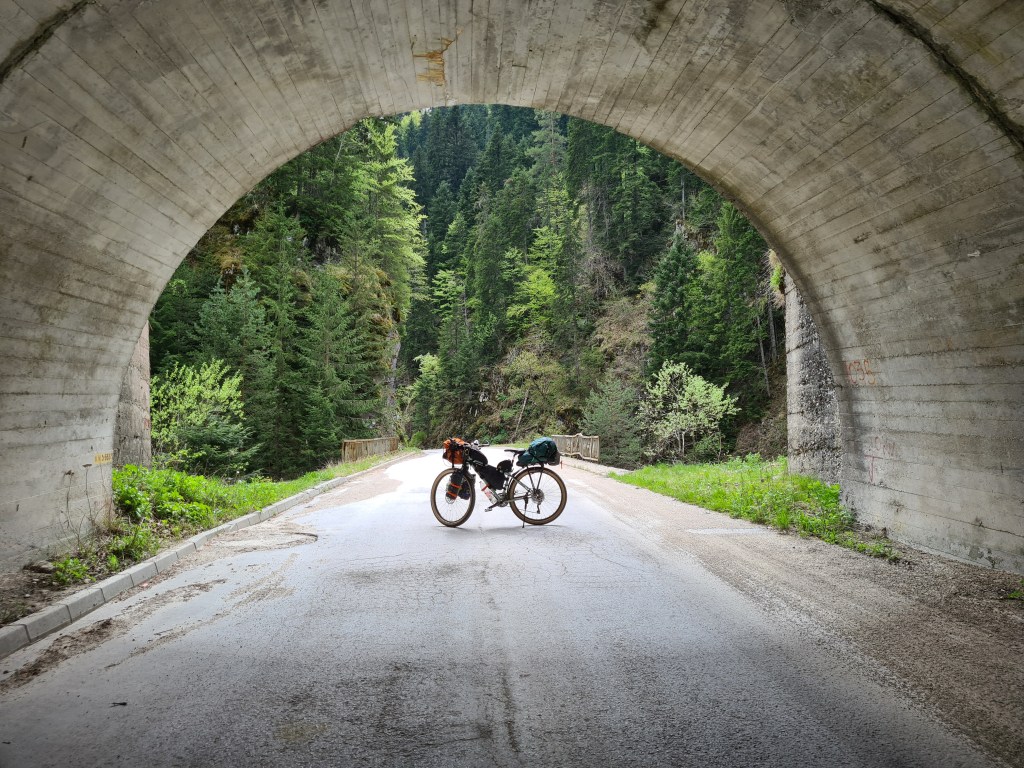
אל לוקסמבורג ומעבר לה! (כי וואלה, מדינה קטנה)

אל לוקסמבורג הגעתי במטרה אחת- להבין מה לעזאזל הקטע של המדינה הקטנטנה הזו. רק הגודל הזעיר הזה נראה כל כך… מוזר, בין שני השטחים הענקיים של גרמניה וצרפת. בתור תושב של מדינה שגם לא בדיוק מצליחה להכניס את השם שלה בתוך השטח שלה במפות עולמיות, ויודע שיש שם סיפור מורכב, תהיתי איך דבר כמו לוקסמבורג קרה. ולא פחות מעניין, איך זה לחיות במדינה כל כך קטנה בין כל המדינות הגדולות. אז כן, היו לי כמה שאלות.
והו, איזה תשובות נהדרות קיבלתי.

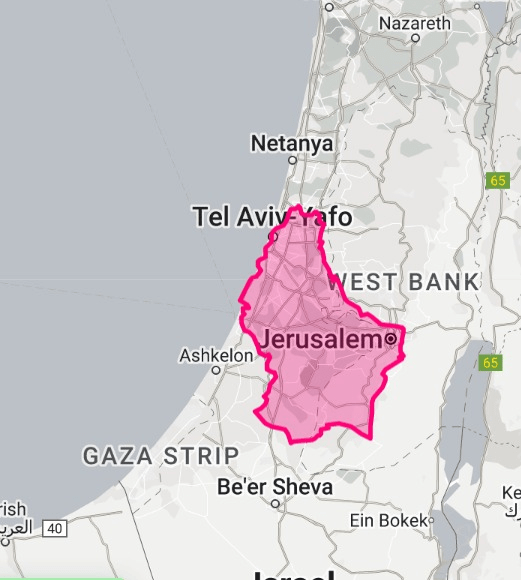
השטח של לוקסמבורג ביחס לישראל.

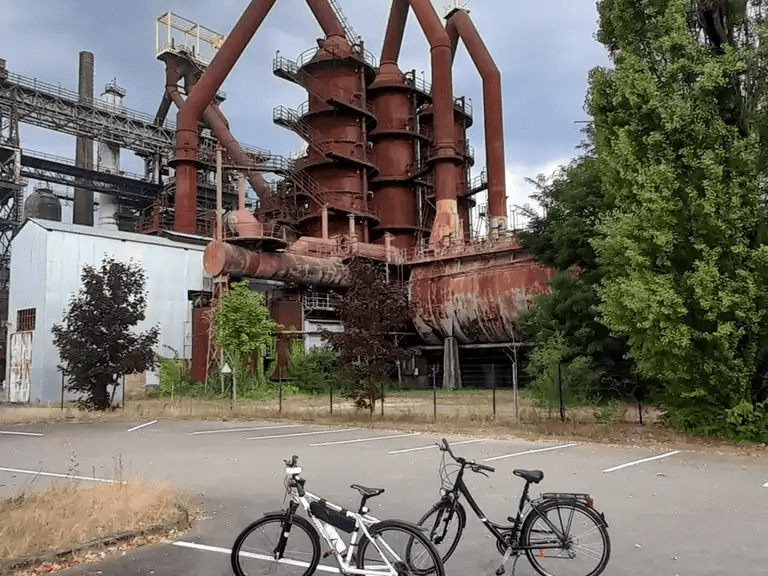
אני חושב שלא היה לי ביקור אפקטיבי במדינה כמו הביקור בלוקסמבורג. עברו 24 שעות בלבד מהרגע שחציתי מצרפת עד לרגע שחציתי מבלגיה, אבל אלו היו 24 שעות עמוסות. רכבתי צפונה ממץ ברכיבה די משמימה לאורך הmoselle, חולף על פני דוברות פחם בנהר ואיזורי תעשייה די מכוערים, כולל מפלצת הברזל הזו, שהיתה מפעל ברזל ישן. תזכרו את המפעלי ברזל האלו, הם יהיו חשובים בהמשך.

התמונה היחידה שאני שם בבלוג שלא אני צילמתי. איכשהו שכחתי לצלם את המפעל הזה

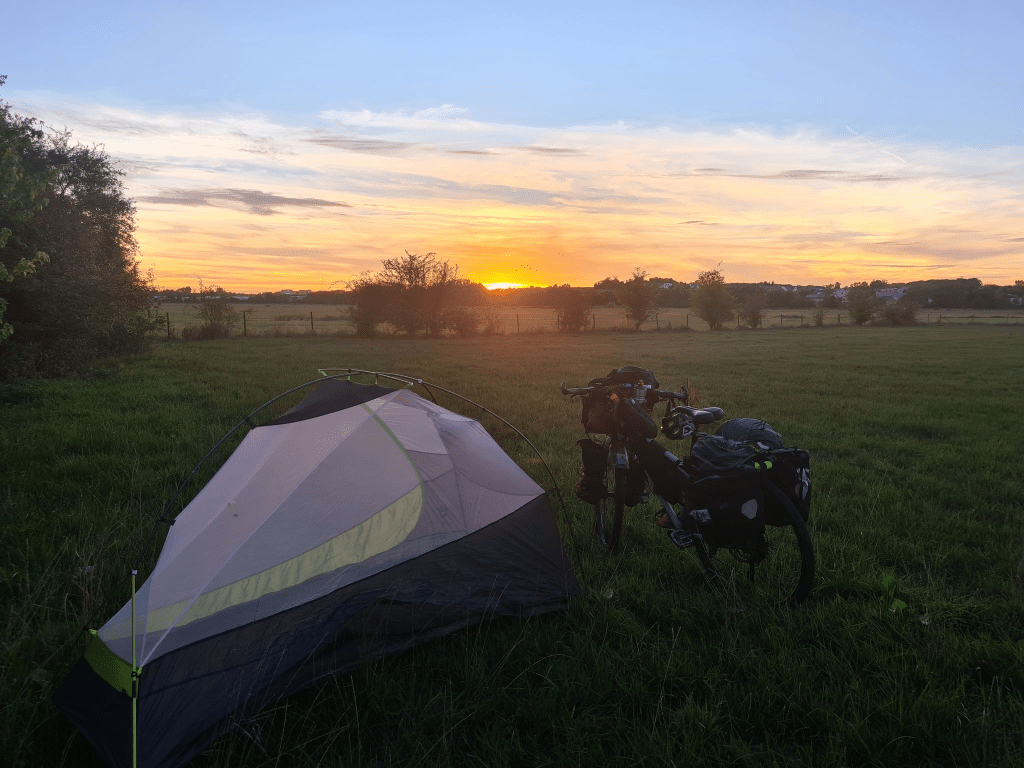
איך שחציתי ללוקסמבורג, המצב השתפר פלאים מבחינת נוף, לוקסמבורג היא מקום פסטורלי להפליא. חניתי ללילה בשדה ירוק ויפה בקצה אחד הכפרים, 10-20 קילומטרים מלוקסמבורג-סיטי.

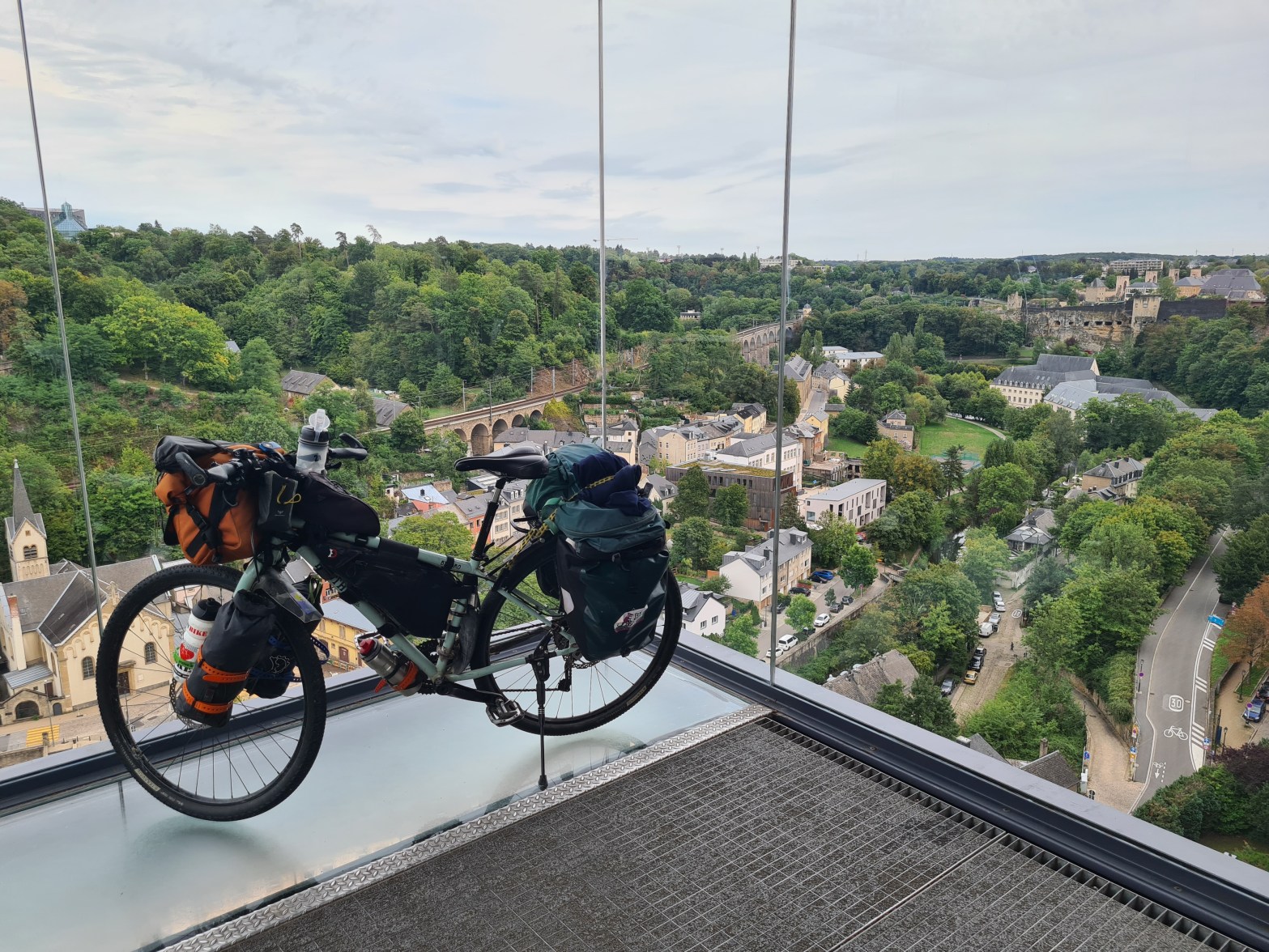
למחרת בבוקר נכנסתי אל תוך לוקסמבורג סיטי, שוטטתי קצת בעיר והתפלאתי מהטופוגרפיה המשוגעת שלה (גם את זה תזכרו, זה יחזור) ומאיך שהם מנסים לחבר את העיר מבחינה הליכתית למרות הבדלי הטופוגרפיה האלו (או במילים אחרות- מעליות! שאפשר להכניס לתוכן אופניים!).
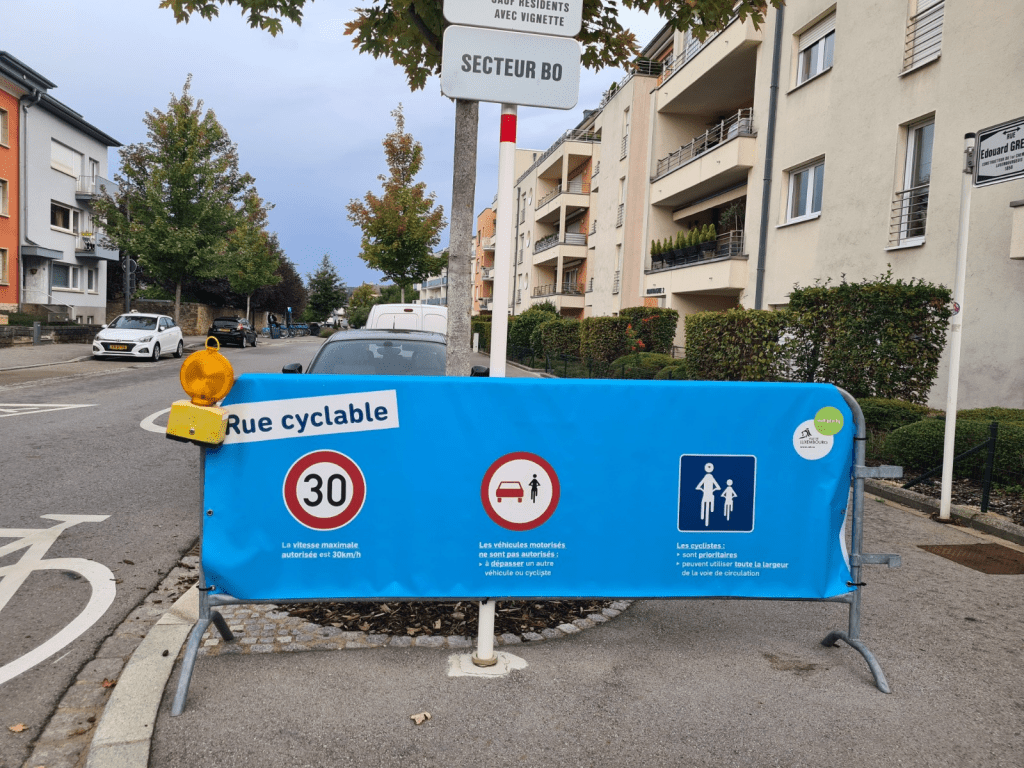
מבחינה של תשתיות אופניים, אגב, החוויה שלי הייתה שטחית יחסית, אבל לא מאוד התרשמתי מלוקסמבורג בקטע הזה (למרות הטענות שלהם שהם לא הרבה אחרי אמסטרדם וקופנהגן, וחווים את הצמיחה הכי מהירה באירופה) – ראיתי כמה רחובות אופניים (בהם אסור לעקוף רוכבים), שזה נחמד, אבל רוב העיר לא הרגישה מאוד ידידותית.


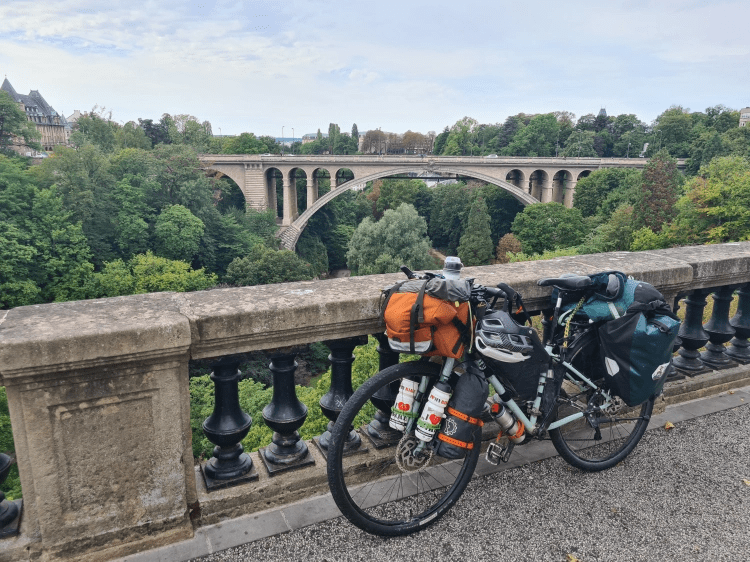
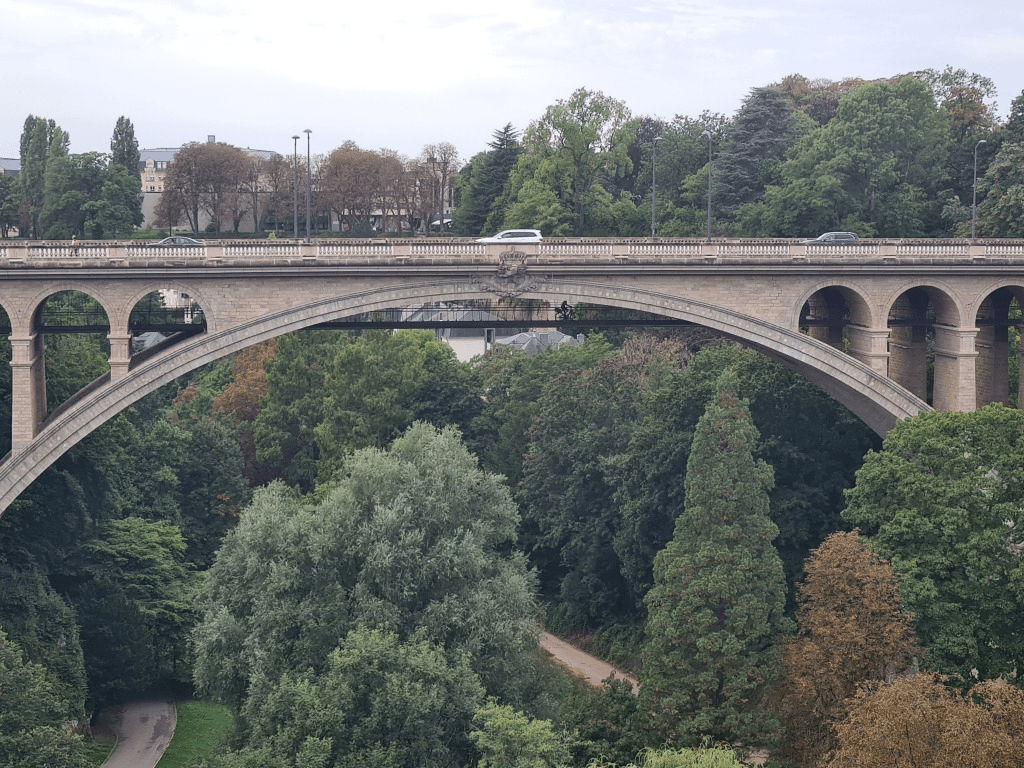
בהחלט היו שם כמה שבילים, ומרכז עיר בחלקו סגור למכוניות, והם אפילו בנו גשר ייעודי לרוכבים והולכי רגל מתחת לגשר הראשי. רק שזו מין גישת גם-וגם שאני לא אוהב – גשר מתחת למפלס הרחוב עדיין מחייב סיבוב וירידה ועלייה, ופוגעת באטרקטיביות של האופניים. כשאתה באמת רוצה לעודד אופניים, אתה לוקח מקום מהמכוניות במפלס הגשר… בכל מקרה, זו עדיין הרגישה עיר של מכוניות. ועם זאת, נראה שהם מנסים להתקדם למקום טוב יותר. בסיור הליכה שעשיתי, כשעמדנו יד ארמון הדוכס, חלף לידנו רוכב אופניים, והמדריך עוצר ומצביע עליו- אה, הנה שר התחבורה שלנו.

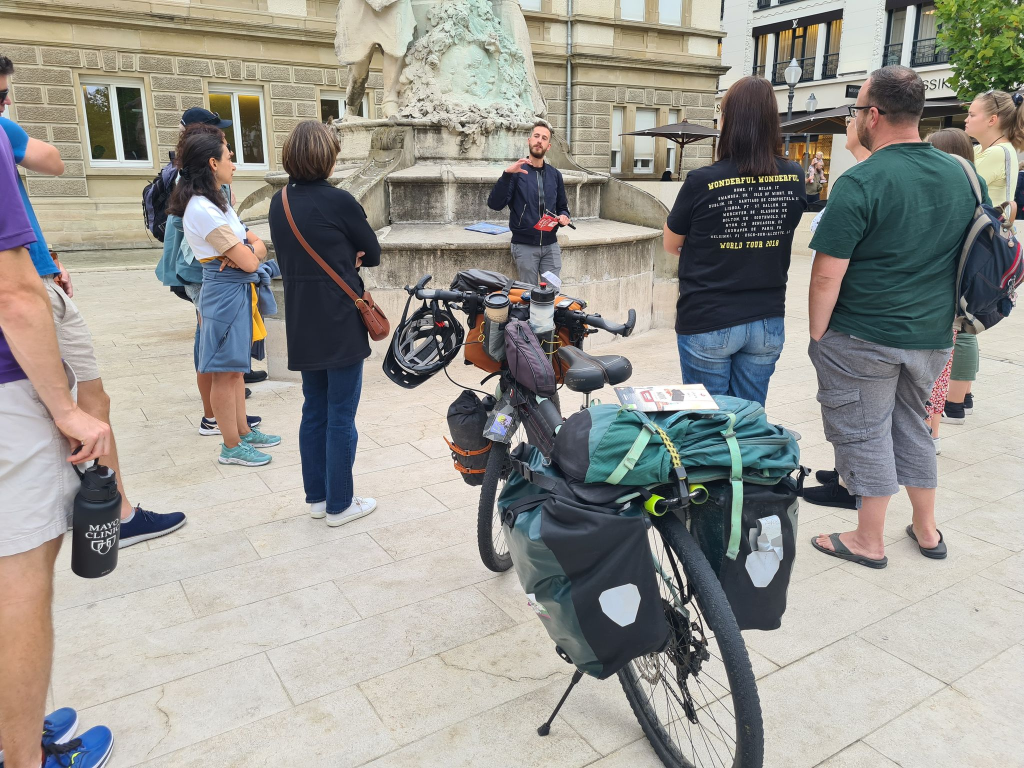
אז באמת אחרי השוטטות הראשונית אני והאופניים הצטרפנו לסיור הליכה בלוקסמבורג, מה שנקרא לרוב free walking tour, שמתבסס על טיפים בסוף, ויש משהו כזה בכל עיר שמכבדת את עצמה באירופה. אני יכול לכתוב הרבה על סיורי הליכה, מאחר שבמצטבר הייתי ב25 כאלה במהלך הטיול. זה תמיד הימור, ובאופן טבעי תלוי מאוד במדריך. אפשר לעשות סיור מרתק בעיר שנראית משעממת (סקופיה 3>), וסיור משעמם בעיר הכי מרתקת (שלום לך אמסטרדם). מדריכים מבוגרים בד"כ עדיפים על צעירים, ערים לא "מגניבות" לצעירים עדיפות על ערים "מגניבות", וכמובן שמדריך מקומי עדיף על מישהו שעבר לשם מכל מקום אחר (סורי, אבל יש דברים שלא משנה כמה שנים גרת במקום מסוים, עדיין אל תבין/תדע. הסיור הכי גרוע שלי היה עם מדריכה ספרדיה בבולוניה, ואני עדיין כועס על הבזבוז זמן הזה).

והסיור בלוקסמבורג היה בהחלט בtop 5 של הסיורים שהייתי בהם (יחד עם סקופיה, קוטור, רוטרדם ומוסטר). המדריך היה בחור מקומי בשם רוי, שעובד כאח בבית חולים ומחלטר מהצד כמדריך, והוא היה חד, מלא בידע ומצחיק לאללה (הוא התאכזב שלא היו צרפתים בסיור הזה, כי אין מי שייעלב מכל בדיחות הצרפתים שלו, והיו רבות).

אחרי הסיור התכוונתי ללכת למערכת המנהרות התת קרקעית של העיר (עוד משהו שיוזכר בהמשך), אבל מסתבר שצריך להזמין לזה כרטיס מלאנתלפיים זמן מראש, אז הלכתי למוזיאון העירוני, שקצת חזר על חלק מהדברים ששמעתי בסיור וקראתי בויקיפדיה, אבל נתן כמה פרספקטיבות מעניינות בכל זאת. עשיתי סיבוב קצר נוסף בעיר ויצאתי אחה"צ לכיוון עיירה בשם ארלון, בבלגיה, איפה שהתארחתי באותו ערב. בדרך לבלגיה, דרך שדות מוריקים, פגשתי זוג רוכבים צרפתים שעושים שנה שלמה של טיול אופניים, אבל רק סביב צרפת (עם חריגות קטנות בקצוות). אוקיי, ארץ יפה והכל, אבל לא תרצו לגוון טיפה?

וזהו, אלו היו 24 שעות בלוקסמבורג. אז מה הבנתי על לוקסמבורג מכל זה?

stuck in the middle

הדבר הראשון שהבנתי הוא שקודם כל, אני מחזיק בתפיסה די אנכרוניסטית של "מדינות אירופאיות", כאיזה משהו שהוא תמיד איזה דבר גדול ורחב ידיים. אם מסתכלים 200 ומשהו שנה אחורה, ואפילו פחות, כל אירופה היתה מלאה בממלכות קטנות ועצמאיות, מהערי מדינה של צפון איטליה לאינספור נסיכויות של גרמניה. אחד התהליכים ההיסטוריים החשובים של ה200 שנה האחרונות באירופה היתה הקונסולידציה של הרבה מהישויות העצמאיות האלו לשתי מדינות גדולות- הריסורג'מנטו (האיחוד של איטליה תחת בית סאבוי), והדם והברזל של ביסמרק שיצר את גרמניה. גם שוויץ היא איחוד של 25 ישויות שחשבו שיש להם יותר סיכוי לשרוד בעולם ביחד מאשר בנפרד (אבל שמרו על מבנה פרדלי מאוד). הצרפתים מצידם בלעו את רוב הממלכות הקטנות סביבם לממלכה אחת עוד לפני כן (אהלן אלזס ולוריין). זה כמובן לא תהליך חד סטרי-  בלגיה למשל התפצלה מהולנד ב1830 (אבל זה היה במילא נישואים מאוד כפויים מלכתחילה), ועל ההתפרקות של יגוסלביה נראה לי שדיברנו מספיק. אבל באיזור של לוקסמבורג, כל שלל המדינות הקטנות האלו פשוט נבלעו על ידי גרמניה וצרפת. אז השאלה הבאה היא – למה לוקסמבורג לא נבלעה גם כן.

האימפריה הרומית הקדושה ואינספור נסיכויותיה, 1789. לוקסמבורג (ובלגיה) בשלב הזה עדיין בתוך הAustrian Netherlands. בחיי, איזה בלאגן, לא פלא שביסמרק רצה לעשות בזה סדר.

התשובה היא מורכבת. קודם כל, צריך להגיד שלוקסמבורג לא תמיד היתה מדינה קטנה וזניחה למראה. במשך כמה מאות שנים, הדוכסות של לוקסמבורג היה אחד מבתי האצולה החזקים של אירופה, והתחרו ראש בראש מול בית האבסבורג על שליטה באימפריה הרומית הקדושה. גם מבחינת הגודל שלה, זו לא היתה דוכסות ממש קטנה – השטח המקורי של לוקסמבורג היה בערך פי 4 מהשטח הנוכחי שלה, והם איבדו שטחים לאורך השנים לטובת הצרפתים*, הבלגים והגרמנים.
אלא שב1443 לא נותרו יורשים זכרים לדוכסות, והשליטה בה ובשטחים שלה עברה לידי בתי אצולה אחרים באירופה (עם כל מערכות הנישואים והקשרים המורכבים של בתי האצולה האירופים). במשך 400+ השנים הבאות, לוקסמבורג התחילה לעבור ידיים בין המעצמות הגדולות, בעיקר בין האוסטרים לספרדים (אבל עדיין בתוך בית האבסבורג).

ויותר מזה, וזה אולי הדבר שהכי הפתיע-אותי-אבל-לא-היה-צריך-להפתיע-אותי- יש ללוקסמבורג זהות לאומית מאוד ברורה. השפה הלוקסמבורגית למשל היא שפה נפרדת (שאומנם נחשבת לשפה מערב גרמנית, אבל עם הרבה מילים שאולות מצרפתית), והיא אחת משלושת השפות הרשמיות של לוקסמבורג. ובאופן כללי, הלוקסמבורגים, כמו שנתאר בהמשך, מאוד גאים בזהות שלהם.
אבל כל זה למשל לא עזר לדוכסויות של אלזס ולוריין או לשלל הנסיכויות הגרמניות שהיו באיזור, ולוקסמבורג איבדה את העצמאות המדינית שלה הרבה לפניהן, ואיכשהו צצה מחדש במאה ה19. אז איך זה קרה? 

ובכן, יש פה שתי תשובות אפשריות. תשובה אחת היא שכמו שג'ארד דיימונד כבר לימד אותנו היטב בחיידקים רובים ופלדה, וכל סוכן נדל"ן יודע להגיד-  location location location. או במילים אחרות – גיאוגרפיה, ואפילו אפשר להגיד ששני סוגים של גיאוגרפיה שיחקו פה תפקיד.

הסוג הראשון הוא העובדה שלוקסמבורג יושבת בדיוק לא רק בין מה שאפשר לקרוא לו האיזור הפרנקופוני לאיזור הגרמאני (לאלזס לוריין זה לא עזר), היא גם יושבת בין שניהם לבין הולנד-בלגיה. מדינה קטנה בסמוך לאימפריה גדולה היא תמיד בסכנת סיפוח. מדינה בין שתי אימפריות, לעומת זאת, היא כבר איזור באפר, וסיפוח לאחת יכול להוביל להכרזת מלחמה על ידי השניה, כמו שאכן קרה ללוקסמבורג.

והפרט הגיאוגרפי החשוב השני הוא הטופוגרפיה של עיר הבירה שלה. לוקסמבורג-סיטי נוסדה במכוון בנקודת המפגש של שני נהרות קטנים אך מפותלים ומחותרים היטב, דבר שיצר מעין רמה מוקפת בצוקים משלושה כיוונים, כך שניתן לרכז את כל הביצורים בכיוון אחד בלבד (מערב), והופך את העיר לקלה להגנה. לאורך השנים אכן הוקמה שם מערכת ביצורים מרשימה, שכללה מבצר אימתני, חומות גבוהות וגם רשת מנהרות תת קרקעית שסייעה להגיע ממקום למקום במהירות. הדבר הפך את לוקסמבורג-סיטי לעיר עם חשיבות אסטרטגית משמעותית. זה לא שהיא היתה בלתי אפשרית לכיבוש, היא נכבשה מספר פעמים, אבל היה צריך מאוד להתאמץ בשביל זה. במלחמות של המהפכה הצרפתית, למשל, לקח לצרפתים שבעה חודשים לכבוש אותה, ועקב כך היא קיבלה את הכינוי "גיברלטר של הצפון"**.  מהביצורים המרשימים האלו לא נשאר הרבה היום, אבל לא מהסיבות הרגילות שביצורים נעלמים בד"כ.
שאריות של מערכת ביצורים

הנקודה היא שלוקסמבורג הפכה להיות איזור מאוד אסטרטגי. כשהמלחמות הנפוליאוניות נגמרו, המעצמות החליטו לספח את לוקסמבורג לכתר ההולנדי (יחד עם בלגיה), אבל היא גם נשארה באותה נשימה חלק מהקונפדרציה הגרמנית ברמת הסכמי סחר, ועם צבא פרוסי שיושב ושולט במבצר שלה, כי פרוסיה היתה בצד המנצח ולך תגיד להם לא. הבלגים ניסו לספח את לוקסמבורג כשהם השיגו עצמאות מההולנדים, וסוכלו על ידי הפרוסים, כי הם באמת מאוד חיבבו את המבצר הזה, ולא היתה להם כוונה לוותר עליו לטובת חבורה של ואלונים דוברי צרפתית.

באמצע המאה ה19 היריבות שהגדירה את קו השבר של מרכז אירופה במשך מאות שנים, היריבות ההיסטורית בין אוסטריה וצרפת, התחילה להתחלף ביריבות שתגדיר את כמעט את 100 השנים הבאות, והיא היריבות בין פרוסיה לצרפת, לוקסמבורג היתה בדיוק באמצע קו השבר הזה. ובהתאמה, ב1868 פרץ משבר לוקסמבורג, שהוא מורכב ומרתק ומלא גיאופוליטיקה מסובכת, אבל השורה התחתונה שלו היתה שאף אחד מהכוחות המרכזיים באירופה – צרפת, פרוסיה ואפילו אנגליה (שניסתה להגן על האינטרסים של בלגיה, בעלת ברית אסטרטגית שלה), לא יכלו להרשות שלוקסמבורג והביצורים שלה תהיה בחזקת הצד האחר, אבל אף אחד לא היה יכול או מעוניין (בשלב הזה) לצאת למלחמה נגד יתר המעצמות כדי להשיג אותה לעצמו. כאמור, מנפלאות הפוליטיקה של איזורי הבאפר. אז הם הסכימו להפוך אותה לנייטרלית, וכדי לוודא שהיא תישאר נייטרלית, הם פירקו את כל החומות והביצורים והמנהרות התת קרקעיות, שזה א' הופך את המבצר בלוקסמבורג לאחד המבצרים היחידים שהוחרבו על ידי הסכם שלום ולא במהלך מלחמה וב' קצת חבל מבחינה היסטורית/ארכיאולוגית, כי זה כנראה באמת היה מבצר מרשים. מצד שני, איפה שהפעם ישבו החומות יש היום פארק ציבורי מאוד נחמד ויפה.
אלא שכל ההחלפות ידיים האלו יצרו בתושבי לוקסמבורג תחושת מיאוס מהיותם פיון במאבק בין מעצמות, והתחיל לפתח זהות לאומית ברורה יותר. לוקסמבורג עוד נשארה תחת הכתר ההולנדי באופן נומינלי לעוד 20 וקצת שנים, אבל ב1890 וילהלם השלישי, מלך הולנד נפטר, ולכס המלוכה ההולנדית עלתה וילהלמינה, ביתו היחידה, והלוקסמבורגים היו כזה "אה, אם אתם זוכרים, לפי החוקים *שלנו* מותר להוריש ממלכה רק ליורשים זכרים, אז בייייייי", ו447 שנים אחרי שהם איבדו את הריבונות שלהם בגלל משבר ירושה דומה, הם הכריזו על עצמאות. הדוכסות עברה לרשות איזה בן דוד רחוק של וילהלם, שבתכל'ס לא היה לו מושג מה קורה בלוקסמבורג, אז הוא די השאיר אותם לשלוט בעצמם. לוקסמבורג היא אגב *עדיין* דוכסות (grand duchey, אם לדייק), וכמו שלבלגיה והולנד השכנות (ולעוד מספר מדינות באירופה) יש עדיין מלכים, גם בלוקסמבורג יש grand duke, שיושב בארמון קטן וחמוד במרכז העיר ולא עושה יותר מדי.

ארמון הדוכס של לוקסמבורג שדי נתקלתי בו במקרה. לוקסמבורג היא עדיין דוכסות (grand-duchy, אם אנחנו רוצים לדייק). זה תמיד מפליא אותי לחשוב לכמה מהמדינות הכי "מודרניות" באירופה עדיין יש בתי מלוכה/אצולה, ומה שהכי מפתיע הוא שלרוב בתי המלוכה שעדיין קיימים יש סיפור שונה בנוגע למדוע הם עדיין קיימים, אין תבנית אחת לבית מלוכה ששרד

החצי הראשון של המאה ה20 לא היתה קלה עבור לוקסמבורג, עם כיבוש גרמני במלה"ע הראשונה, כמעט-סיפוח לצרפת לאחריה, כיבוש נאצי והרס די נרחב במלחמת העולם השניה***. בעוד שבמלחמת העולם הראשונה לוקסמבורג עוד ניסתה לשמור על נייטרליות (למרות שלוחמים לוקסמבורגים שירתו ונפלו בשירות מדינות ההסכמה), במלחמת העולם השניה לוקסמבורג היתה באופן מוצהר וחד משמעי בצד של בעלות הברית. החצי השני של המאה ה20 כבר היה סיפור שונה לחלוטין, אבל נגיע לזה עוד מעט.

אז כן, סיבה אפשרית אחת שלוקסמבורג היא עדיין עצמאית היא הגיאוגרפיה שלה. אבל. הגיאוגרפיה יצרה את הנסיבות שאיפשרו את זה, אלא ששום דבר לא היה *חייב* לקרות כמו שהוא קרה. יש פה מידה נכבדת של מזל וצירופי מקרים היסטוריים. אם פרוסיה או צרפת היו יותר חזקות או תוקפניות בתקופת משבר לוקמבורג, אחת מהן אולי כן היתה מספחת אותה. ואם למלך וילהלם היו בנים, יכול להיות שכמו איזור מאסטריכט, לוקסמבורג היתה היום חלק מהולנד. אז סיבה אפשרית אחרת שלוקסנבורג שרדה כשכל האחרות לא היא "ככה יצא". אני מודע זה תשובה קצת אנטיקליימקטית, אבל מה לעשות, שום דבר בהיסטוריה הוא לא "גורל".

הערות שוליים

*מילה על הצרפתים ושאיפות טריטוריאליות – בעוד שכולם מאוד אוהבים לצחוק על הצבא הצרפתי, ובאופן כללי הצרפתים נראים כיום עם מאוד נחמד ועדין, במהלך האלף האחרון היה לרוב מדובר באומה מאוד תוקפנית ובעלת נטיות התפשטות אגרסיביות, ועם הצלחות צבאיות די מרשימות. הם תמיד ראו בריין את הגבול הטבעי שלהם, והיה מאוד קשה לשכנע אותם אחרת. גם אם נשים את הטירוף שהוא המלחמות הנפוליוניות בצד, יצא לי לעבור במספר ערים שבהם חלק מהסיפור שלהן היה "ואז לואי ה14 בא וכבש/צר/שרף אותה". לוקסמבורג היתה אחת מהן.

**למרות שבעיני האנלוגיה היותר מתאימה היא "קונסטנטינופול של הצפון", אם מסתכלים על הטופוגרפיה והביצורים, אבל אני מקבל את זה שאני חנון קטנוני פה.

***כ2.45% מאוכלוסיית לוקסמבורג נהרגה במלחמה, כולל בין 1000 ל2,500 מיהודי לוקסמבורג שנרצחו בשואה. מערכת המנהרות התת קרקעית, שהיתה חלק ממערך הביצורים בזמנו, כן שימשה כמסתור לחלק ניכר מאלו ששרדו, וגם ללוקסמבורגים שניסו להתחמק מהגיוס הגרמני

נשאר כפי שאנחנו?

אז זה לגבי למה בכלל יש לוקסמבורג. אבל איך זה *לחיות* בלוקסמבורג?

ובכן, יקר ובינלאומי. אם יש משהו שאנשים יודעים על לוקסמבורג שהיא מדינה עשירה להחריד. זו המדינה עם התל"ג לנפש הגבוה בעולם (כלומר לליכנטשטיין ומונקו יש תל"ג גבוה יותר, אבל בואו, 40,000 אזרחים זו לא מדינה, זו שכונה שתופסת מעצמה) וכמו שאמר המדריך של הסיור שהייתי בו בלוקסמבורג, הכל בלוקסמבורג קטן חוץ מהמשכורות. במהלך המאה ה20 הם השקיעו באופן משמועתי בפיתוח תעשיית הברזל באיזור הred lands, איזור עשיר במחצבי ברזל במפגש גובולות של לוקסמבורג, גרמניה וצרפת (אותו איזור שרכבתי דרכו אל לוקסמבורג, ולכן היה מלא במפעלים ישנים). תעשיית הברזל, ויתר התעשיות הכבדות שהם פיתחו, הביאו לפיתוח כלכלי מואץ.
קולין, המארחת שלי בארלון, אמרה לי שהיא רואה שכיום חלק מהמפעלים האלו, שסגורים כבר כמה שנים, נהרסים היום לטובת בנייה חדשה, וזה חבל, כי בעיניה אלו אתרי מורשת אירופאית. ברגע הראשון הרמתי על זה גבה, אבל הבנתי שהיא צודקת. לאיזורי התעשייה בred lands יש משמעות חשובה מעבר לצמיחה הכלכלית שהם הביאו – הם האדמה שממנה צמח האיחוד האירופי, או ליתר דיוק הECSC, קהילת הפחם והברזל האירופית, הגירסא הראשונה של האיחוד האירופי. לוקסמבורג למעשה היתה אחת המייסדות והדוחפות העיקריות של הECSC, ועדיין חברה פעילה מאוד באיחוד. איזור שנגן, משמע כל המדינות שאפשר לעבור ביניהן בלי דרכון בתוך אירופה, נקרא על שם כפר בלוקסמבורג בשם שנגן בו נחתמה האמנה שיצרה את האיזור הזה, ולוקסמבורג-סיטי היא אחת מארבע הבירות של האיחוד האירופי (מעבר ליוקרה, זה גם יצר הרבה מקומות עבודה בלוקסמבורג והוסיף לנופך הבינלאומי שלה).
נכון להיום חלק הארי של כלכלת לוקסמבורג נסמך על תעשיית הפיננסים והבנקאות שם, אם כי התעשייה הכבדה עדיין חיה ובועטת, וגם התיירות תורמת את חלקה (לוקסמבורג כאמור, היא מקום פסטורלי להפליא, כולל לוקסמבורג-סיטי).

וכל זה, יחד עם המיקום שלה בין כל המדינות האחרות, והעובדה שמday 1, היא היתה במרכז האיחוד האירופי (כשהוא עוד היה רק צרפת, בלגיה, הולנד, גרמניה ולוקסמבורג. אה, ואיטליה), הופך אותה לבאר גרוויטציה תעסוקתית, ששואבת לשם הרבה מאוד אנשים מכל האיזורים מסביב לעבוד בה. בכל לוקסמבורג חיים קצת יותר מ600,000 תושבים, אבל מדי יום נכנסים לתוכה כ200,000 (!) יוממים מהמדינות השכנות. כן, בערך שליש מאוכלוסיית המדינה נכנס לגבולה בבוקר ויוצא בערב (כולל, למשל, המארחים שלי במץ, צרפת). זה די מטורף.
וכמו שכולנו יודעים, יוממות = פקקים, וגם הכבישים וגם הרכבות מלאים עד אפס מקום בכל בוקר (אגב, תחבורה ציבורית היא בחינם בלוקסמבורג). הממשלה הלוקסמבורגית מנסה לעודד אנשים לעבוד מהבית, אבל זה לא כזה פשוט, כי אם צרפתי לכאורה עובד בחברה לוקסמבורגית, אבל נמצא ברוב ימי העבודה שלו בצרפת, למי מקום העבודה אמור לשלם את מיסי העובד שלו? לוקסמבורג היתה צריכה לשאת ולתת עם כל מדינה בנפרד כדי להגיע להסכמים שיאפשרו לאנשים לעבוד מהבית לפחות חלק מהזמן. 

אגב, לוקסמבורג היא המדינה הראשונה באירופה שעשתה לגיליזציה מלאה לגידול מריחואנה (בהולנד השימוש הוא החוקי אבל הייצור הוא לא חוקי. קטע הולנדי מוזר), מה שיצר עוד נקודת מחלוקת בינה לבין צרפת. הצרפתים היו מודאגים מזה שכל העובדים שזורמים בין לוקסמבורג לצרפת כל יום יביאו איתם גם מלא מריחואנה, ודרשה מלוקסמבורג להציב נקודות בדיקה ביציאות מלוקסמבורג לצרפת. לדברי המדריך, ממשלת לוקסמבורג צחקה להם בפנים ואמרה להם שיתקדמו (או המקבילה הדיפלומטית לזה). 

בכל מקרה, אחת הסיבות שכל אותם אנשים נוסעים כל יום ללוקסמבורג, ולא נניח עוברים לגור שם, היא שלוקסמבורג-סיטי היא מקום יקר להחריד לגור בו. העושר שלה מקרין החוצה למדינות השכנות, ואפילו בארלון, מעבר לגבול בבלגיה, המארחת שלי סיפרה שהיא רואה איך המחירים שם עולים, כסוג של פרבר של לוקסמבורג.

אבל הרבה מאוד גם עוברים לגור שם. מתוך ה600,000 אלף התושבים בלוקסמבורג, כמעט חצי הם בכלל לא אזרחים! בערך 47% הם אזרחים זרים שבאו לגור בלוקסמבורג, ואם מסתכלים על לוקסמבורג-סיטי עצמה, המספר הזה כבר עולה ל70%. למעשה, לוקסמבורג כבר הופכת להיות יקרה מדי ללוקסמבורגים עצמם- עליית המחירים במקומות כמו ארלון נובעת בחלקה מאזרחים לוקסמבורגים שעוברים לגור שם, כי הם כבר לא יכולים להרשות לעצמם לגור בלוקסמבורג סיטי עצמה. אחת המכות הכי גדולות לשוק הדיור בשנים האחרונות היה, מכל הדברים, הברקזיט- המון בריטים עובדים בתעשיית הפיננסים שם, והיו יכולים לעבוד שם באופן חופשי, כחלק מהסכמי האיחוד, אבל אחרי ברקסיט (מעבר לזה שכמה בנקים בריטים כנראה פתחו סניפים בלוקסמבורג כדי להתמודד עם הרגולציה) הרבה בריטים היו צריכים להראות שיש להם כתובת בלוקסמבורג, או ממש לעבור לשם, כדי להמשיך לעבוד שם. מה שאומר שהרבה בריטים עם כסף התחילו לקנות דירות בלוקסמבורג, דבר שהטיס את מחירי הדיור שם לשמים, וכנראה דחף לא מעט אנשים החוצה – לפרברים במקרה הטוב או מעבר לגבול במקרה הפחות טוב.

מחירי הדיור בלוקסמבורג. וצריך להגיד שבין 2005 ל2015 הם כבר הכפילו את עצמם. תודה ברקסיט!

לוקסמבורג היא מדינה רב-שפתית אמיתית, ובעוד לוקסמבורגית היא עדיין שפת האם של הלוקסמבורגים, גרמנית משמשת בתקשורת ובבתי המשפט וצרפתית היא השפה הממשלתית הרשמית ומופיעה על כל שלטי הרחוב, והשפה שרוב העסקים מתנהלים בה, ורוב הלוקסמבורגים יודעים לפחות את אחת מהן, אם לא את שתיהן*. ברוב החנויות שתיכנס אליהם בלוקסמבורג -סיטי, סביר להניח שהמוכר ידבר צרפתית כשפת אם, כי הוא הגיע הבוקר מצרפת כדי לעבוד פה. בנוסף, באופן טבעי למדינה כ"כ קטנה, הרבה מהתרבות הפופולרית מיובאת מיהמדינות השכנות. ואפשר להבין למה השפה הלוקסמבורגית כן הוכרזה כ- endangered language- אפילו שהמספר המוחלט של דוברי הלוקסמבורגית הוא הגבוה שהוא אי פעם היה, אחוזם באוכלוסיית לוקסמבורג הולך ויורד, כי פשוט יש פחות ופחות מהם בתוך האוכלוסייה הכללית.

וכל זה מעלה שאלות לגבי העתיד של הזהות הלוקסמבורגית, ומה זה להיות לוקסמבורגי. גם אם נזניח את הלוקסמבורגים שנדחקו כלכלית מעבר לגבול (אפילו שלפי הכתבה הזו, מדובר בכ70,000 איש, שזה ממש לא זניח), הזרם היציב של מהגרי עבודה שמתיישבים בלוקסמבורג גורם לכך שאחוז אזרחי לוקסמבורג באוכלוסייה הכללית הולך ויורד, וכאמור בלוקסמבורג סיטי עצמה הם כבר היום מיעוט. שאלה אחת שעולה למשל היא איך אפשר לקיים מצב שמדינה מקיימת בחירות דמוקרטיות שמשפיעות על כלל התושבים אבל רק למיעוט מהם מהם מותר להצביע**, וכמה זמן זה יכול להחזיק. וכמו שאמרתי,יש חשש אמיתי שצרפתית פשוט תדחק לאט לאט החוצה את לוקסמבורגית כשפה הראשית בלוקסמבורג (כפי שאגב קרה כבר לשפות המקומיות באלזס ולוריין, ואפילו במזרח בלגיה, שהיתה פעם חלק מלוקסמבורג), כי היא פשוט שימושית יותר ביומיום. וזה מעלה את השאלה היותר משמעותית – האם לוקסמבורג, כישות לאומית ברורה, ששרדה 400 שנה של כיבושים, ניסיונות סיפוח, מאבק בין מעצמות ושתי מלחמות עולם, תשרוד את ההצלחה הכלכלית של עצמה.

במהלך ההתעוררות הלאומית במאה ה-19, נכתב בלוקסמבורג שיר שהפך להמנון של השאיפה שלהם לעצמאות –

Kommt hier aus Frankräich, Belgie, Preisen,
Mir wellen iech ons Hémecht weisen,
Frot dir no alle Säiten hin,
Mir welle bleiwe wat mir sin.

ובתרגום לאנגלית –
Come here from France, Belgium, Prussia,
we want to show you our fatherland
ask in all directions,
We want to stay what we are.

השורה האחרונה,  "אנו רוצים להישאר כפי שאנחנו", הפכה להיות המוטו הלאומי של לוקסמבורג, שמופיע בכל פינה ומונומנט. ובעוד שפרוסיה, בלגיה וצרפת אכן באות לראות את המולדת שלהם מדי יום, יש לי ספק אם לוקסמבורג תישאר כפי שהיא היתה לעד.

הערות שוליים

* אם כי השפה השניה הכי נפוצה בלוקסמבורג, אחרי לוקסמבורגית, היא דווקא פורטוגזית, עקב ריכוז גבוה באופן מפתיע של מהגרים מפורטוגל, שבמקום להתפזר באופן על כל היבשת כמו שכניהם הספרדים, פשוט התלכדו באופן מרוכז בלוקסמבורג

** וכן, אני מודע לאירוניה של לכתוב את זה בתור ישראלי.

02 – Ups and downs in Thrace

[originally published on may 19 2022]

[Editor's note – I'm way beyond Edirne, but due to reasons of, well, inability to manage time reasonably, I've already written most of this post in Edirne, but haven't gotten around to publishing it (pictures are always the problem). But it's already written, and while some things are no longer relevant (I get along better with the set-up, for example), it was true at the time, so be it]

starting is hard, but it's still worth starting

On the second day of riding, the world threw a headwind at me.
Now, there are many things I could try to explain about my trip in these posts, but if there's one thing a person has to experience for themselves to *really* understand it's this – headwinds. And specifically, how much headwind is the devil itself.
Ask any rider and he will tell you that anything is better – rain, sun, hills, mosquitoes – just not a headwind. A headwind just makes every meter feel like a struggle, and unlike the climb, it doesn't even feel fair, just crushes all morale. And as if Murphy himself read the asterisk in my previous post that mentioned a headwind, I was sent a fifty km/h headwind to prove that very point. I finished this day completely exhausted, physically and especially mentally.

You know you're in trouble when you see wind turbines

Nature throws rain on me on the third day. I hate driving wet. I mostly hate being wet and cold in my feet. So as soon as the first drizzle starts I protect myself from head to toe, including rubber gloves. Luckily I'm not a person whose hands sweat almost at all, which is very helpful in climbing walls and in this case. Disappointingly, in practice it hardly rained on me. What's more, all this protection takes a lot of time, and there's nothing to say, it's hot, I put on and took off my raincoat something like 6-7 times today.

function over form

Speaking of things that take forever and a half, I admit that I am at the limit of patience for the backpacking set-up. I'm very, very tempted to throw everything away and buy a pair of paniers. It takes forever to pack this shit, you have to fiddle with straps all the time, the front bag is messing with the gear cables, there's no place to stick something on the bike quickly. Everything is a hassle. There's no doubt that the ability to go through tough terrain is excellent, but to be honest I will see if I have the patience for off-roads at all, roads are simply faster. Today I not only rode on roads, I switched from secondary roads to the highway by choice, simply because I wanted to get to the town i aimed for (and also because it felt safer, the shoulders were much wider on the highway). I know this show is going to take time to get on the road and gain momentum, so for now I'm holding off on big decisions until after I get some real experience, and specifically after the mountains of Bulgaria, where this set-up should be very useful.

The landscape in Thrace, the land between Istanbul and Bulgaria, is… lovely? Lots of yellow turnip fields, lots of other agricultural fields, and mostly, mainly, lots of small valleys. A lot of them. A topographic map of Thrace looks like a close-up of an old farmer's hands, deeply furrowed. There's a certain beauty to it, but it's also quite exhausting. I prefer continuous ups and downs. Not all the time going up-down-up-down. breaks the momentum of both.

Like this, just over and over and over again

And yet, there was quite a bit of beauty along the way, even on the less successful days. And what can i say, seeing things from the height of the bicycle seat is always different.

The people of Thrace

The Turks, for their part, are incredibly cute. Everywhere I stop, they invite me to sit with them and drink something, and it happened to me more than once that I bought myself a coffee or some food, and they simply said me "on the house" or simply gave me more food just like that. Although the prices here are at par with third world countries (thanks to the inflation that Erdoğan promotes), I don't feel that they perceive me as a rich European that they can milk some cahs out of, but rather as a somewhat eccentric traveler ("Why not a motorcycle?" is a question I heard more than once) and a adorable person to whom one can be generous. Bicycles bring out the best in people.

Bicycles also "force" you to go through all the points on the way from A to B. The implication is that you also pass through places that well, there is no reason for a stranger to pass there, which means that you are always a little exotic, and there is no feeling you get in normal tourist centers, of "Oh, here's another tourist, great" (that is, the feeling I would get every Friday Mahane Yehuda market, back home)

 I did answer "Canada" most of the times when asked where I'm from, although probably in 99% of the cases it was completely unnecessary, and the few times I said Israel, the responses were either completely indifferent or something like "Oh, I had an Israeli boss at one of my jobs, he was cool". And yet, it costs me nothing to lie, and I love Canadians.

The only exception to the loveliness of the Turkish people was on the fourth day, on the way to Edirne, that the draybag fell off my bike with my jacket/coat, on some remote country road, and although I noticed it barely 200 meters away, and only two cars and a scooter passed by while i rode away, By the time I got back, it wasn't there. It was a shame because A. It was a very useful jacket and B. It was just really bad luck. The chance that in these few minutes a person will pass that not only will he not call me (because it was clear from whom it fell), and will not even pass indifferently, but will take it for himself – it is not high even on a busy city street (and call me naive, I truly believe that these are the exceptions). But on a dirt road outside a remote village – it's really, as i already said, terrible luck, and what perhaps saddens me the most is that it slightly spoiled the great experience I've had so far with the people of turkey.

The orange draybag in the back, last minutes together. Blue jacket, I like it very much

Sinan the (bicycle) engineer

And yet, I like them, and my favorite Turk so far is of course Sinan. Not Sinan the architect and engineer , although he is definitely also a Turk that I admire, but Sinan the dentist. We came in contact in a very amusing way – a month before the trip I was approached on the street in Neve Tzedek in Tel Aviv by a guy named Yohan who was sure that I was some kind of tourist on a bicycle trip, but no, I just go around in life with lot of things on my bicycle. From there he put me in touch with a guy named Sinan that he knew through Warmshowers (which is like couchsurfing, only for cyclists), and really recommended me to meet him. When I arrived in Istanbul, he ended up not being available to host, but he suggested that we meet and he would help me get organized. Well, I thought, we'll probably meet, drink coffee, chat a bit and I'll continue my errands.

what ended happening was different. We met at 10 AM in Kadikoy and continued to hand out all day, riding between bike shops and then going to his house and working on my bike until 10 PM (and we only stopped because he had to go celebrate a year with his girlfriend). I have never seen so much bike repair equipment outside a bike shop in my life. The man had a bike stand and brake-bleeding kit, and the extensive professional knowledge to do whatever was required. The amount of time he spent helping me get ready was crazy.

The man and the legend and the bicycle stand
It's an entertaining story in its own right, and will probably to at some point

Sinan himself is one of the last of the radical secularists in Turkey, a staunch hater of Islam (and religions in general) and quite fed up with Erdoğan's eternal rule and the de-secularization he feels Turkey is going through, and we had interesting conversations about politics (he is quite sure that the attempted coup a few years ago was a dummy attempt) and life in general.

He is also one of the most anal people I have met, who really puts an emphasis on the visibility of the bike, which created many amusing moments between him and me when it came to handling the bike. Anyone who knows me or my bikes knows that I'm a big believer in function over form, and what works, works, while he's a big believer in doing things "right". He scoffed at the ductape I had affixed to the bike, and forced me to take it off. When he saw that I was pushing the lower parts of the convertiable pants into the sock instead of taking off my shoes and taking them out, he said something like "you really don't care how things look, huh?". We had two funny days together.

medal of honor/dishonor

It's hard to explain how deep a relationship I have with the equipment I carry with me. it's not only all my possessions in the world right now, it's what responsible for allowing me to continue on the path. And since, as I said in the previous post, I kind of dived into this trip without much prior experience, there were some good decisions that were made and there were some… not as good decisions, so I thought each post would point out a wonderful piece of equipment and a piece of equipment that could do better.

So the first Medal of Honor goes to my multitool, the RATCHET ROCKET LITE DX, which, as the name implied, is actually a ratchet. I don't think I can overstate how much I love this piece of metal.

je t'aime

While a regular multitool requires you to try to get it into the desired screw, and if the screw is in an inaccessible place, then turn it over and over again like a idiot, then for this ratchet, no screw is out of reach, and of course, the concept of a ratchet is genius, and allows me to open anything on the bike in a few moments. And oh, how many things I opened and adjusted during the preparation for and during this trip. There was a bike shop that the mechanic asked me to use it, because it was much more efficient than working with his tools. It also has very, very fun clicking sounds, which among other things makes it a great game for nephews if you want to talk to their parents quietly.

Itati fixes my bike with the ratchet while I drink coffee with my sister. Hours of fun, I tell you

The only downside is that it works with drill bits, and bits are a thing that can be lost. The solution is to be very, very anal and religiously return them to their place, and carry a few spare bits, two things I do do. Beyond that, it's just a perfect object, buy it as a gift for the cyclist dear to your heart.

The medal of dishonor, on the other hand, goes to my quilt. What is a quilt? Oh, I'm glad you asked. In the ultralight world, they came to the conclusion that what keeps you warm is the air trapped inside the sleeping bag, and since we sleep on our backs, it crushes the air from there, and doesn't help you at all. So they just cut the back out, and instead there are straps that are supposed to connect directly to my air mattress. (That will get his medal of dishonor too, someday).

At this point you may be asking – but Oren, doesn't it allow cold air to enter? isn't much more of a hassle than a normal sleeping bag? And what happens if you lose these little straps? And the answers are – it does, it is, and you're screwed, as I found out in the hills of Bulgaria, at -2 degrees, but I'll get to that in a later post.

It will be said in it's defense that it is very small and very light, but it's just not worth it. I'll buy a normal sleeping bag next time

And now, Bulgaria

So that's it, so after a day of getting organized in Edirne and a bit of sight seeing (the city still contains the original Sinan's masterpiece, who was probably also a pretty thorough guy with a developed aesthetic sense) I was ready to leave for Bulgaria.

Me and an old friend

Turkey, you were pretty good overall, see you in the future!

The Saliminia in Edirne. It really is a masterpiece, it's hard to even explain why, but the man was a genius

Next post – intended adventures, unintended adventures and the horror – wet socks in the hills of Bulgaria. Also, a bit about bi-polar urbanism in Plovdiv. stay tuned?

And for those who made it this far, a bonus question that will be answered in the next post – what do bicycles, Frankenstein and the Mormon religion have in common?
Feel free to write in the comments, I approve them anyway at a two week delay

01 – On the road again

[originally posted in hebrew on 30.04.2022]

So… me and the bike went on the road for a while.

Summary of matters so far

7 months ago, after Rosh Hashanah (jewish new year) 2021, I crossed a small but significant personal Rubicon for me. I went into an bi-annual review with my team leader and after we chatted a bit about how was the holiday and such, I told him that this conversation is going to turn out a little differently than he expected : ). I informed him that I am resigning in three months so i can head out there around April 2022. When he asked if I would rather take an unpaid leave for a while, I said it isn't going to be on that scale…

If we go back a little further – around June 2020 I decided it was time to get going again. In 2017 I went for seven months on a bike (half in Southeast Asia and half in the US) and those were the happiest seven months of my life so far (especially the second half of the trip) and I told myself I was going to do it again in the next few years. I don't remember what the trigger was in June 2020, when the world was starting to emerge from what turned out in retrospect to be the first out of many waves of the corona, which made me think "yes, *now* is a good time to go on a trip around the world", but that's what happened. So I set a goal of leaving for April 2021, nine months ahead, and assumed that the corona thing would surely blow over by then. seemed reasonable, right?

As you must have noticed, I didn't set off in April 2021, and in retrospect it wasn't the corona virus that stopped me. I mean, it would have prevented me from going if I was ready to go, but I wasn't ready. And I wasn't ready due to a combination of personal and professional circumstances, and especially a lack of time to prepare properly, because everyday life is something that eats up a lot of time. And so I decided this time to resign three months before the planned date (and four years to the day from the  day i started working there!) in order to prepare properly. Because friends, it turns out that going on a long bike trip is a serious fit of logistics.

Apparently I already did that, didn't I? How complicated can it be? Not very complicated, just that I chose to challenge (read = complicate) myself. Specifically, because I chose to do this bicycle journey differently from the previous one (and more on that later), the space and weight I could take was much more limited, which forced me to approach it with a much more limited approach, and mainly it's enough to start from scratch regarding many things and do a lot of equipment research and equipment orders and full of small decisions , something I've found I hate only slightly less than packing gear, which I've been doing a lot lately.

So in January, after one last significant assignment, my resignation went into effect, and I began to organize. The period also included quite a few apartments changes, which was made easier by having some good friends (you know who you are, and if I could give you five stars on Google, I would totally do it). Naturally, my activity in Bicycle for Jerusalem also went into overdrive – full flurry of emails and white papers, meetings, rides and community events for the most part (including a ride with the mayor!), many interesting meetings and a lot of good work (and one very failed campaign…).

The last period was a very stressful period – planning a route, shopping for equipment, a handful of bureaucracy, catching the corona virus, cycling activities, moving between sublet apartments, and a general feeling that there is a mountain of things I need to get done before I set out. In my four years of work or my seven years at the academy I had few periods when I felt such pressure. It was clear to me that it was mainly stress that I'm putting on myself, but I still had trouble letting go. Luckily, I had enough family and friends around me to help me, so thank you, (again, you know who you are). Even here in Istanbul (oh, yes, I'm in Istanbul) I spent most of my days doing last minute shopping and logistics that I postponed from Israel. Only today I decided to stop and wait for another day to relax and write a little about where I am and what I'm doing (hence this endless digging [israeli slang for talking endlessly]) and I'm glad I did it. Getting started is hard, but it's also important to stop and breathe sometimes.

So after all this introduction – what do I actually do? and why?

Basically – I'm going on a bicycle trip from Istanbul to London for six months. Some of those reading this have heard from me about more grandiose plans, and they are still in the scope of "the plan", but it seems silly to me to make big announcements before I've even left the borders of Greater Constantinople. This is the theoretical route (and I can already see how it is going to change a lot, but every plan is a base and so on)

Why am I doing this?

Because I can, I guess. Why aren't you doing it?
And seriously, it was the right time, as far as I was concerned – the project at my work, which was a very cool adventure with people I am proud and happy to have worked with, reached a stable place that I felt would be right to release now. A long bike trip around the world is something I knew I wanted to do, and It's something that, how to say, doesn't fit in with any other plan in life (career, relationships, etc), so now is the time. And above all, cycling around the world will always feel like the best thing to do with my time. I suppose that when I get a chance I will try to explain exactly how it makes me happy, and what I find in it*, but this text is already getting long (and is not over yet) and the day is getting shorter.

*And it's clear to everyone that it's not fun all the time, right? To ride a whole day against the wind is a hellish despair, for example.


I haven't exactly decided what kind of trip I want to do, and that is reflected in my bike

The original idea was to do a long backpacking trip (this is the decision in question from earlier that cost me a lot of preparation). I got the inspiration from several sources, one of which was a couple of riders who rolled up to my campsite in Montana back in the summer of 2017, with two pairs of well-packed bikepacking bikes, and I immediately knew that's what I wanted to do too*. So a few words about the difference between touring and bikepacking. Touring is taking a few large panniers, usually two in the front and two in the back, throwing in everything you'll ever need on the road, and setting off. It's simple, it's friendly (you can do it with zero preparation) and it's very convenient – it's just big bags that attach (and come off) easily from the carriers. On the other hand, you are limited to relatively paved roads, because these large bags (and especially the hard plastic connections that connect them) are not designed to withstand the prolonged jolt of off-road riding.

*Another (lot) of inspiration came from a guy named Tristan, which I hosted sometime in 2019, but about it in detail on another occasion

Touring bikes versus bikepacking bikes. It should be said that the difference between them is not so binary, and I'm not the only one who bikepacks with a carrier, but tying a seat bag to this carrier is my invention…

In bikepacking, on the other hand, all the bags are tied with soft fabric straps to the chassis. It is difficult to install or remove them, their volume is more limited, but they can take any blow without breaking, so you can ride in any possible road conditions. And that's what I wanted this time – complete freedom to choose my route, as far away from cars as possible (and by the way, many times it's impossible), without listening to the clatter of bags and luggage. So I sacrificed a lot of the comfort for the all-terrain-ability, and friends, after making one or two trips in the field with full equipment, I can say without a doubt that this tractor can do some tough terrains 🙂

Only… I don't really do bikepacking either. I'm planning a visit to many interesting cities along the way (I fell in love with Istanbul, I stayed another day because it's hard for me to leave), I want to have a backpack but also not to ride with it for days on my back (which is quite a punishment), and I want to be able to carry a little more equipment if needed. So I added a rack and on it I tied the large seat bag and on top of that the bag. Bikepacking people will probably see it as a kind of abomination and touring people will just laugh at me and ask why I didn't take touring bags and that's it, but (what I tell myself) is the idea is versatility – on paved and simple roads, I tie both of them on the saddle and ride for fun, but If you reach difficult terrain, the bag goes back to the seatpost, the backpack to back, and the rack, free of equipment, can take a few hits.

It is possible that along the way I will change the setup again to full touring or full bikepacking, or I will change the type of trip, but these are decisions for Oren from the future, and good luck to him.

I can assure you it took a lot longer than you think it did. Especially those damn bags.

FAQ

There are some common questions that came up to people I told about the trip, so here's a quick FAQ and I hope to expand on some of these things (because who doesn't like expense details?)-

"Are you riding alone??? Doesn't it feel lonely?" – there are some plans for people joining, but in general, yes. Traveling alone is a challenging experience sometimes, but in my opinion it is an experience that everyone owes to themselves at some point. And yes, it's probably lonely sometimes*, especially when you have to make decisions, but in practice you're all just one WhatsApp away.

*Although this creates excellent opportunities to connect with the environment you are in. Traveling with someone else somewhat closes you off from the world a bit

"How do you finance it?" – 4 years as (pretending to be) an engineer, without a car, children or rent in Tel Aviv. Also, after the initial expenses for equipment (and there were expenses, some of them a bit unnecessary or excessive in retrospect), a bike trip is quite cheap, you mainly ride most of the time.

"What about bicycles for Jerusalem?" – the organization existed long before me and will exist after as well. This is the project I am most proud to have taken part in in my life so far*, but sometimes you also have to know how to let go**. The organization has an excellent group of activists and I believe that it will continue to be one of the best civil society organizations in the city (by the way, this is a great time to join the activity, heard there's a vacacy for a Nudnik [Hebrew slang, untranslatable]).

*Although the project at work was awesome as well, it was a great first work experience.
**As far as some specific topics are concerned, I can't guarantee that I won't show up for zoom meetings from the middle of the Balkans, ahem-the bike path in Elazar street and electric bikes-ahem.

Am I going to seek sponsorship/start a Patreon – why would anyone pay me for something I want to do anyway? I never understood this concept. And as I said, I'm still deep in Byzantium Local County jurisdiction, so let's get going first, okay?

Am I going to write a blog? Apparently you are reading it, but no promises. I can't promise to update here regularly, it takes me forever to write something, just this post took 3-4 hours (and I can't believe I'm using mikledet again *, I fucking hate this site), but I'll definitely try, because there are already some stories. I have an account at POLAR STEPS and I opened an Instagram , because it turns out that's what the cool kids do, but over there too – no promises. By the way, if someone understands WordPress, has free time and wants to help me design this blog into something less ugly – talk to me.

*For those who don't understand, I'm sitting in an internet cafe in Istanbul (meaning arcade) and I type this site and then do copy paste for the blog. Then an i edit something and copy paste and so on. It's as tedious as it sounds, and if anything in the text sounds illogical it's entirely the fault of this process.


So that's it, I'm off tomorrow. I hope not to report in three days that my knee is gone bad again and the trip is over (nothing that ever happened to me, ahm), and I'll see you later!

08 – Italy

I think that when I look at my trip, Italy was a place I didn't enjoy most of the time, and that after the Balkans, felt like a dip in the trip. It took me a while to define why, because there were several reasons, and I will try to explain it to myself and to you . But of course it wasn't uniform, and Italy also included one of the most significant highlights of this trip for me, so those who are less into hearing me complain, can jump to the end and see photos from the Dolomites, because it's really stunning there.

 sometimes, you won't

I think a reasonable definition of the term "disappointment" is a gap between your expectations and actual reality. And my expectations for Italy were more or less like this – after two months or so in the Balkan mountains, I expected to arrive in northern Italy, to finally enjoy the fitness I had built up in those two months and to gallop easily from city to city through the plains of the Greater Po Valley, while drinking good coffee, eating Italian food and absorbing a lot of history Roman and Italian, and especially getting to know northern Italy and its story directly, because in the end the story of the place is what interests me. So what went wrong?

In the heat

The first gap was the part of galloping across northern Italy. Because I somehow managed to get into the lowest and hottest place along my route right in the middle of the historic heat wave of July 2022, just after I had spent time in the mountains of Croatia and Slovenia (in Slovenia, a few days before, I had a crazy hailstorm), and just before I went up to the Alps. To be fair, June and August also had some heat waves, but July's was perhaps the most brutal. And my friends, it was pretty brutal. I rode every day in heat over 40 degrees. I had a few rather hot days in Croatia, on the way to the mountains, but then at least I could take comfort that I was on the way up, and it would be cooler there, as it was. In the plains of Italy there was nowhere to run. I would start riding as soon as possible, 6-7 AM if I could get out in time, ride as much as possible until lunchtime, before the heat would drive me into a local coffee shop, because I just couldn't go on any longer. I would spend the "hot hours" there, waiting until it was sane to go out again, but when I would go out in zone 16, I would find that no, it's not sane anymore, it was still horribly hot, but i would continue riding, because what can you do. hell. Even when I stayed with people, and certainly when I slept in a tent, the heat didn't exactly let up.

burned. And yes, I applied sunscreen

In addition, I quickly discovered that plains are boring. A day without a climb is a day without a plot. The first day in Italy was the worst, because it involved riding on hostile roads, through boring scenery, and as mentioned, terrible heat and humidity. This day is written in my diary under the heading "riding through the armpit of Italy". So already at the beginning, the part of enjoying riding on the plains pretty much went kaput. I don't think a bike trip should be fun all the time, clearly it's a different kind of fun*. But I don't believe it should be suffering, and riding in Italy during the heat wave was quite unbearable, and even walking around the cities and doing some sight-seeing was just not fun.

Douglas Adams has an excellent book called "last chance to see", "where he goes to see endangered animals. In the way of Adams, this is a smart, funny, sad and beautiful book (and recommended). And this is a phrase that crossed my mind when I started planning the trip. Looking at the ecological trends, it's clear that some of the things I want to see may not be there, or rideable, in a few years. I feel that in northern Italy I got a taste of the future to come. In fact, two weeks before I stood on a ridge overlooking the Marmolata Glacier, a huge piece of it broke off and killed 11 people who were hiking under it . Go see the world, some things won't be there soon.

Footnotes

*In one of my favorite books, Eiger dreams by John Krakober, which is a collection of articles about mountains and people, he describes in one of the articles the slightly hallucinatory scene of climbers at the base camp of Mount McKinley (Denali, by its local name), the highest mountain in the USA, And among other things, he meets a bunch of doctors there. I'll let John talk from here, but I will say the quote at the end is a phrase I really like and use a lot. A long bike ride is a different kind of fun.

Between here and there

The second part of the reason why I didn't really enjoy northern Italy has to do with the fact that I wasn't really there, mentally.

On the first day I entered Italy, something happened that for me was the no less than a miracle- after two or so years of struggles and policy papers and meetings, and above all many, many delays, the Jerusalem municipality marked the first real bicycle lanes in the city. People I talked with that day heard me saying, "You think that what excites me right now is riding in Italy, but what really excites me is this", and I sent the picture that I had already received from 4 different people in the municipality. It was the greatest achievement of bicycles for Jerusalem (and from here on I'll use the Hebrew acronym – Avi) in the last decade, that the municipality implement a bicycle path that we proposed in the heart of a residential neighborhood. I received the photo, looked at it for a few seconds, rode on, and a spontaneous yell of "Woohoo!"  came out of my mouth while riding.

Messiah's day, in my life

It seems to me that this is the point where we need to talk about Avi and what the organization means to me.

So I think it wouldn't be an exaggeration to say that Avi is the thing I'm most proud of having taken part in in my adult life. I served in the army, traveled, did a bachelor's and master's degree in physics, things that many people do. I was very proud of the project I took part in in my first job, It was a cool project with great people. but Avi was different. I joined half by accident in 2010 when I heard about the community rides, and I started getting involved when I tried to start promoting a bicycle gate at the entrance to the university. After working together with the student association of Givat Ram, within a few months there was already an entrance gate (and this was the last quick victory I ever had on through bike activism), and I simply integrated into the general activity of organizing rides and meetings with municipal officials. 

But over the next few years the small team of volunteers dwindled – people got married, became parents, left the city, left the country or just moved away. around ​​2014 it reached the state of "the last one to leave should turn off the light", and I was pretty much the last activist, and it was clear to me that when I leave, the organization ends. We stopped the rides, because we would put in a lot of effort and five people would come. My regular joke, which half of the people reading this have already heard, is that I would write on Avi's Facebook page "We, at Bicycles for Jerusalem, believe that…" are cycling for Jerusalem" because writing "I at Bicycles for Jerusalem…" was a bit awkward.

And then somehow, in the last five years, in a way that I still consider miraculous, the organization came back. There was not a single point of return, it was another meeting to recruit activists, and another person who came for a specific activity (say, a petition against the train) and stayed to organize rides, and another person who started talking to me about something completely different (say, when is the Ein Kerem tunnel will open) and found himself in the planning team. There was the stage when we received a grant from an environmental Foundation that allowed us to massively publicize the rides, and Aki and Jonathan came and opened the community workshop. And from there, we turned from an esoteric organization on the verge of disappearing into one of the most active civil society organizations in the city, with several dozen permanent activists, monthly rides, regular dialogue with the municipality and above all – a real impact. And I am very proud that I got to take part in this process.

And yet, it was clear to me that when I go on a journey, I have to leave Avi*. Because the flip side of all this was that in recent years, and especially in the last year, I have invested an unquantifiable amount of time in Avi's activities, and i believed that if I'm going on a journey, I need to focus on that journey. And above all, that you can't really try to help manage things on the road, and that it's time for it to move on. And I really left all the WhatsApp groups, except for one, of the team representatives, where most (though not all) of the people I considered good friends from the organization were, so I stayed mainly to send pictures of bike paths from around Europe.

Now naturally, a lot of people, in the municipality or just in general, still know me as "the bike guy from Jerusalem", so still people here and there approached me (i did one or two interviews while riding in Slovenia and Italy), but I continued to do what I was doing Until the journey, and that is to try to pass on all these connections to other people at Avi.

But when I got the pictures of these lanes, that we spent so much time making them happen, and waited much longer for them to actually happen, and then when I heard that, as expected, there's a backlash from some nimbies (because they took some parking spot, of course), I was kind of drawn back in, to help with what was actually our first public campaign. It definitely helped (or didn't help) that during the day I had 4 hours where I couldn't move anywhere anyway.

It took me a while to realize that this happened, and that I'm investing time that I need and want to invest in traveling, and above all, that I'm mentally there instead of enjoying where I'm at. So I started pulling myself back out gradually, (I left the whatsapp group we started for this, and several other friend groups on the way), and I let the guys in Israel continue on their own, and they are doing an excellent job. And this is perhaps the thing I am most proud of – the fact that I have not been in Israel for six months, and the organization continues to operate regularly. The rides go out every month, the connections with the municipality still exist, there are activist meetings and team meetings. The light didn't go out, and I also think it grew.

In the end, it is quite natural that I will continue to be involved in the organization, it is ultimately something that I have invested a lot of time, effort and love into. Even if I don't get up in the morning and go to work every day but get up in the morning and start riding, I don't stop being "me", and the things that were important to me then continue to be important to me now. But it is important to know how to balance it with my needs today, and above all, to know how to let go.

Footnotes

*which mainly means to leave all WhatsApp groups. Because what can you do, Avi lives in WhatsApp groups. It's not wonderful, but it's the simplest and fastest way to add new people. If I had a shekel for every time someone, including me, said "Maybe we should open Slack channel", we could finance a paid community organizer (and of course a Slack was never opened).

Coordination of expectations and overdoses

The third gap was that I think my expectations were unrealistic about "understanding Italy". In the Balkans I was exposed to a story that I had never known, so I felt that I was learning a lot. But in Italy, well, there is much more history on the one hand, and on the other hand, you have to dig much deeper to be exposed to things you didn't know. And somehow, it just didn't work for me. There were far fewer interesting tours to participate in (a good walking tour is, in my opinion, a great way to get to know a place, but there is an inverse relationship between how touristy a place is and the quality of the tour). And I think it was mostly very ambitious to try to "understand" a place that is probably the most historically charged area in the Western world. From Roman times to the present, something has always happened in Northern Italy, and the interesting part for me, of Roman history, was mostly buried under a lot of other Northern Italian history.

I think I also experienced an overload of beautiful Italian cities. I mean, in the Balkans I usually had between three days and a week between interesting cities. In Italy I just skipped from city to city, day after day, and it got tiring being the "tourist", and seeing yet another cathedral and yet another museum. Especially in the unreasonable heat (Venice was quite unbearable, a combination of crazy heat and a suffocating tourist vibe. I went into the cathedrals only to escape the heat and the people). In Verona I already started to feel like I'm checkmarking (but from Verona things got better). I think I realized in retrospect that I like cities, but I need more distance between them.

Not interested in culture as much as running away from the heat. Well, too

But Oh, the Places You'll Go

So, from the combination of all these things – the heat, the distraction, the too high expectations and the rush – it turned out that I experienced Italy as a certain disappointment. But it's not that everything didn't work out. There were two places that I was incredibly enthusiastic about, and one of them is still considered to be one of the highlights of the trip.

An empire trodding in the swamp

So first place is Ravenna. It should be said that at face value, Ravenna is currently a rather boring city compared to other cities in the region, visually and probably also in general. But for me, Ravenna justified a significant detour, because I am a lover of Roman and Byzantine history, and Ravenna is actually the deathbed of the Western Roman Empire on the one hand, and on the other hand, the last bastion of the revival of the Eastern Empire on the Italian peninsula. 

Something not everyone knows is that when Rome was sacked by the Vandals and the Goths, it was no longer the capital of the Roman Empire. As the empire grew, the city of Rome gradually lost its importance (Already Hadrian almost never stayed there during his term), and during the third century AD, when the Roman Empire almost fell apart due to tribal invasions from the outside and rebellions from the inside (a period called the crisis of the third century, including a phase that the empire split into three parts), the emperors moved the capital to Milan, the gateway to the Alps, in order to be ready to respond to any invasion that would cross the Alps. The empire, almost miraculously, survived the third century, returning to a period of greatness under a series of emperors (Aurelian, Diocletian, and of course Constantine the Great), but then in the fifth century things began to fall apart again. And this time, the Western Empire no longer had the strength and ability to react offensively to outside threats, but only to play defense, and the capital moved again, from the offensive Milan to Ravenna. Ravenna was chosen for one reason – it was surrounded by swamps, which made her much more defensible from invading armies.

But it didn't really help, because at this point, the "barbarians" were already more or less running the Roman army (the term "barbarians" here is very, very simplistic, but let's not get into that right now). In 476, after a series of failed emperors, Odoacer, one of Rome's barbarian generals, simply took the last emperor, a teenager named Romulus Augustus, put him on a ship to the Eastern Roman Empire (what we call, rather anachronistically, Byzantium), told them "Thank you, there is no need to send a replacement", and declared himself the King of Rome. He was himself deposed by Theodoric, king of the Ostrogoths, who ruled there for several decades, and was a very interesting and important figure.

But we are not here to talk about any of them, we are here to talk about someone else. Because Theodoric's reign was rather peaceful until in Byzantium one of the most ambitious emperors the empire had known, Justinianus, arose and decided that it was high time to return the empire to its former glory, and return Italy to the bosom of the Roman Empire. He did not succeed in conquering all of Italy, but he did conquera signifecant portion of it, and naturally made Ravenna the regional capital of Byzantium in Italy. It is interesting to note that Theodoric was already a Christian, but he was from a sect that was considered heretical (Aryan, for those who are interested), and when Justinian conquered Ravenna, they made sure to remove mentions and decorations of Theodoric from all the churches, except in one, which they did not do a very thorough job for some reason, and you can still see the palms of Theodoric and his retinue.

Find Theodoric's hands and painted them in cheerful colors!  with Stalin, such an amateur erasure would not have passed

Justinianus is a fascinating figure, both on a historical level and as a personality, in my opinion, and this page is short of describing all his escapades. He was the emperor who tried to take it all back (after the fall of the Western Empire, as mentioned), and if the first plague had not broken out during his term, there is a good chance that he would have succeeded. I can say but I was definitely excited to visit the Basilica of San Vitalos  and see the portraits of him and his wife Empress Theodora, an equally colorful figure (she is most likely the only Empress who started her career as an escort). In general, this is a unique and indescribably beautiful church, which is exclusively decorated, from floor to ceiling, with magnificent mosaics (including the aforementioned portraits). I have never really connected with mosaics; it always seemed a very stubborn and slightly masochistic way to produce decorations at a much lower resolution from what you can achieve with paint and a brush. But there are mosaics, and there is San Viatlos. 

And it's all in the mosaic!

During the Middle Ages, Ravenna declined from its greatness, and became a remote peripheral city for several centuries. However, in the 1950s, a small miracle happened to her when large gas deposits were discovered in her area, and it experienced a revival of sorts, becoming a significant economic center. I asked a geologist friend, and these gas deposits are too deep to be related to the "modern" swamps of Ravenna, but perhaps these are much older swamps that created these accumulations. It would be nice to think that the city that marshes raised to greatness in the first place was also brought back to life by marshes.

Flamingos, swamps and a huge harbor that revolves around gas gas and more gas


Sud tyrol

Intoxication in the Dolomites

yes, it's that mountain

And the second place is the place that will forever have a warm place in my heart, and is South Tyrol and the wonderful mountain range, the Dolomites.

First, let's talk about the Dolomites. I was in the Dolomites for the first time in my life at the summer of 2010, when I went hiking with a friend in the Austrian Alps, and then she suggested that we take a trip into the Dolomites, and I went with it. I managed to hike there for half a day, before my knee gave out, but it was still an unusually spectacular half day. So unlike Montenegro, where nature had the element of Suprise over me, and it definitely amazed me, I came to the Dolomites already with high expectations, and for a change, the reality exceeded them. Here are some pictures to whet your appetite.

My favorite fact about the dolomites is that they are not just huge blocks of rock, but coral reefs that have constantly grow up towards the surface of the water, to get some sunlight, while the ground beneath them has sunk under their own weight. so that the dolomites are actually coral walls that have grown layer by layer, at a rate of about a millimeter per decade, into huge unfathomable stone walls (and then rose above water when Italy collided with Europe, i think). If you put your finger on this stone walls of hundreds of meters, then the length of your fingernail is about what this wall has grown over a time equivalent to your entire life span.

I spent 3 and a half days of intoxication there, racing from pass to pass and amazed by the beauty every time. I spent the last ascent in pouring rain but in an uplifted mood, stopping to see a real alpine flood (yes, it doesn't look different from a flood in the Judean Mountains, but it's in the Alps!). And the next morning I got in return the most beautiful sunrise I've ever seen in my life. Also, I got one of the worst food poisoning I've ever had there, but luckily, I had great hosts in Bolzano who helped me recover, and if you need to recover from a food poisoning, you can do worse than Bolzano. 

alto vs sud

But here is the place where I may need to be precise. Because first of all, I didn't stay in Bolzano really, I was in Eppan, a small village above Bolzano. And "Bolzano" is not the original name of the place either. The locals, or at least the ones I stayed with, call it Bozen (which sounds like Posten to me). And this is one of the things that accompanies you throughout the area – every village you come to has two names (Eppan is also apparently called Appiano). And all the signs on the street are written in Italian and German. Why German in Italy? What's going on here? Well, welcome to South Tyrol! Or maybe to Alto Adige?

I started getting to know the story of South Tyrol through Anna, the girl I rode with in Bosnia and grew up there, and then I continued to delve deeper into it as I got there, and it's a fascinating story to me. If we skip ancient history for a moment, South Tyrol was part of the Austrian Empire when the First World War broke out. The Italians, in a very Italian way on their part, declared war on their nominal allies, Austria and Germany (the British and French promised them South Tyrol in return), proceeded to lose said war, *yet* still got the territory they wanted, because they were, in the overall picture, on the winning side. and just to make it clear, it was a very clear-cut loss. The campaign on the Soca Valley, which was a terrible and difficult campaign for both sides, ended with the coalition of The Austro-Germans sitting on the Piava River, 150 kilometers inside Italy, and the Italian army basically in shambles. By the way, this is not very different from what happened in World War II, in which the Italians lost to *all sides* of the war, and still kept South Tyrol, and even received territories that were supposed to go to Yugoslavia (who was on the allied side from the start), because by the end of the war communists scared the west more than fascists. And we poke fun at the French army…

In any case, the population of South Tyrol, after many years of Austrian rule, suddenly found itself under Italian rule. There is a point here that is important to clarify – these are not "Germans", but a *German speaking* people (or more precisely, speaking an Austrian-Bavarian dialect). The South Tyrolians really do not perceive themselves as Germans, and nowadays not as Austrians either, but as South Tyrolians. From my experience, some of them will actually get quite upset if you call them Germans 🙂 (although it turns out there are a lot of Bayern Munich fans there). There is another small minority (about 5%) that speaks Ladin (not Ladino), which is a Rhaeto-Romance language, but we're not going to get into that, okay?

The first years after the annexation were relatively peaceful in South Tyrol – the taxes went to Rome instead of Vienna, but there was no significant interference in the lives of the citizens there. But that changed with the rise of the Fascists to power, and the Italian nationalist mentality they brought with them. When Mussolini came to power, the Italian government began to actively try to crush the German identity of South Tyrol. In 1923, led by an Italian fascist named Ettore Tollomi, they issued a series of decrees that banned the use of the word "Tyrol", closed all German language newspapers and changed the names of all local German villages and towns to Italian names. And thus, Posen became Bolzano, Meran to Merano, Eppan to Appiano and so forth (a joke I heard in Ecotopia – the fastest way to identify a native Italian speaker is to ask them to say a word with a hard consonant at the end, and hear them fail). Since language is something that really needs to be uprooted from the, eh, root, they banned the study of German in schools and fired all German-speaking teachers. In order to preserve the German identity, the German-speaking South Tyroleans operated underground the catacomb schools, secret schools that operated in farms and basements where children learned the German language to keep it alive. the Italian government established in Bolzano itself a significant industrial area that was supposed to attract many Italian workers from the south, aiming to Italianize the region (and i heard that some people were just forced to move there from the south of Italy)

In contrast to what happened in the Sudetenland, where the German minority over there was used as a fig leaf for the annexation of that land into Germany, in South Tyrol the rise of the Nazis to power in Germany resulted in a very traumatic event for the south Tyrolians, that is still not much talked about over there, for obvious reasons. As mentioned, Mussolini was very eager to annex South Tyrol, and when Italy and Germany became allies, one of the things he managed to get in the agreements between them was the recognition that one South Tyrol would become an Italian region for all intents and purposes. As a result, he and Hitler came to the South Tyrol Option Agreement, wherein the inhabitants of the region were given two options – they could stay in South Tyrol and completely renounce their German identity (and fully accept Italian identity) or alternatively leave South Tyrol and resettle in the territories of under German control, such as Poland. The South Tyrolean population was deeply divided about this, and families were torn apart, with some choosing to stay and but most choosing to leave (85% precent, by one account). However, due to the outbreak of the war, this agreement was only partially carried out, so most of those who chose to leave never actually left. Of those who actually left were resettled in German-annexed Western Poland, where they were expelled or killed after the World War II, and most of them who survived the war returned to South Tyrol afterwards, though not all.

During the Second World War, after Italy switched sides, Germany captured South Tyrol from it, but in the agreements at the end of the war, the territory was returned to Italy. The Allies did demand that Italy give the German-speaking population a certain degree of autonomy and self-government, and that is indeed what happened, but Italy pulled a trick – it included in this autonomous province two regions- South Tyrol and Trento/Tarantino, the region south of it, where of course there were almost only Italians. Italian and German became the official languages ​​of the province, and the teaching of German was allowed again, but Italian speakers were still the majority in the new province, Tarantino-Altoadiga. In this way, they hoped to anchor South Tyrol to Italy and prevent it from becoming a separatist province. It should be noted that another explanation I saw is that the Italian Prime Minister at the time, De Gaspari, was born in Tarantino, and since one of the main outcomes of this autonomy is that most of the taxes stay within the province itself and do not go to Rome, he wanted to help out his native province.

If this is the explanation for including them together, then it worked great, but if the plan was to prevent South Tyrol from developing separatist tendencies – that didn't go as well.

In the 1950s and 1960s, the forced marriage to Tarantino along with the arrival of many Italian immigrants from the south caused enough unrest to create a separatist movement called BAS (Committee for the Liberation of South Tyrol or something like that). In the first stage, they carried out acts of sabotage against Italian symbols of government, with the most famous act being attempts to blow up the power lines from the hydroelectric dams in the area (with all the rivers and mountains in the area, South Tyrol is a significant producer of hydroelectricity), on a night called the night of fire . Beyond the action against the symbols of the government, the goal was also to cut off the electricity from the large industrial area in Bolzano, the one that brought all the immigrants from the south to it. Definitely a power struggle in a very literal way. In the second phase, the violence escalated, and they directly attacked Italian police forces, and around 26 people were killed in their actions. 

Between the acts of terrorism and political pressure from Austria, for which South Tyrol remains a point of contention between it and Italy, in the 1970s Italy decided to carry out a number of reforms which actually emptied the autonomous province of Tarantino-Altoadiga from any significance. Very few functions, such as welfare matters, remained at the provincial level, and much more authority (education, policing, taxes) went to the regions of Trento and South Tyrol separately. Which created an amusing situation in Trentino, that while the original reason for their autonomy is no longer relevant, they still enjoy it. When I asked my hosts in Trento (the regional capital of Trentino) how the rest of Italy view them, he said that the rest of Italy probably thinks they are too rich, because as mentioned, most of the taxes stay there. As i said, if this was De Gaspari's plan, it worked perfectly.

And that is nothing compared to South Tyrol itself. After the compromises of the 1970s, and especially after the accession of Austria to the Schengen area in the 1990s and the border between Italy and Austria becoming rather meaningless, the tensions somewhat subsided. And in the decades since then, between agriculture, heavy industry and above all the growth of a thriving tourism industry, South Tyrol has become the richest province in Italy. Although they remit only 10% of their taxes, they still give more to the treasury in Rome than they get back. The South Tyrolians jealously preserve their agriculture and support it massively through subsidies, as part of the preservation of the traditional culture and landscape, but I have heard a claim that it is also so that no German-speaking village in the mountains will be abandoned and God forbid they build holiday homes for Italians or something like that (which still happens a lot). Either way, the result of these subsidies is that you ride in the valleys and see, hundreds of meters above you, vineyards and fields at heights and slopes that just don't seem reasonable and logical in any way.

I don't think the picture conveys how much these agricultural areas are stuck in the middle of the mountain

Today South Tyrol is largely in a state of post-drama. There are always people, and especially politicians, who will continue to talk about independence or annexation to Austria, but there doesn't seem to be any special tension between German speakers and Italian speakers in South Tyrol today (although they don't necessarily really mix either), and everyone makes too much money to rock the boat. I felt unsure what to say when I walked into a random store in Bolzano, whether to say Guten Tag or Buongiorno, but no one shot me any dirty glances (or just shot me) if i got it wrong (in Bolzano and Merano it's probably better to say Buongiorno, but everywhere else go for Guten Tag. or just go with "Hi!"). 

When I was riding in the Dolomites, I left and re-entered the area of ​​South Tyrol several times, and each time there were signs greeting me on my way in and out sud tyrol/alto adige (i.e. upper adige. the Adige is the river that flows south into Italy, through Verona, into the Adriatic Sea). And every time I saw them, I smiled a little, because in the two names of the province were actually its two opposing narratives about it – one that sees this place as South Tyrol, part of the larger region of Austrian Tyrol, and one that sees it as the upper part of the Adige River, an integral part of Italy. Names, my friends, tell us a lot.

Next post?

My time here in Cambridge is getting shorter, but if I have time before the flight, I think I'll do a quick tour of my favorite part of Western Europe, the Benelux, and share some thoughts about the European Union. we'll see.

איטליה

כשאני מסתכל על הטיול שלי, איטליה היתה מקום שלא נהניתי ברובו, ושאחרי הבלקן, הרגישה קצת כמו נפילה מסוימת בטיול. לקח לי קצת זמן לנסח לעצמי למה אני מרגיש ככה, וזה יהיה החלק הראשון של הפוסט. אבל כמובן שזו לא היתה חוויה אחידה, ואיטליה גם כללה הרבה רגעים ממש טובים, כולל אחד השיאים הכי משמעותיים של הטיול הזה, אז מי שפחות בקטע של לשמוע אותי מתלונן, יכול לקפוץ לסוף ולראות תמונות מהדולומיטים, כי באמת מהמם שם.

לפעמים אתה לא

אני חושב שהגדרה סבירה של המושג "אכזבה" הוא פער שבין הציפיות שלך למציאות בפועל. והציפיות שלי מאיטליה היו פחות או יותר כאלו – אחרי חודשיים ומשהו בהרי הבלקן, ציפיתי להגיע צפון איטליה, להנות סופסוף מהכושר שבניתי בחודשיים האלו ולדהור בקלילות מעיר לעיר דרך המישורים של עמק הפו רבתי, תוך כדי שאני שותה קפה טוב, אוכל אוכל איטלקי לספוג מלא היסטוריה רומית ואיטלקית, ובעיקר להכיר את צפון איטליה ואת הסיפור שלה באופן בלתי אמצעי, כי בסוף הסיפור של המקום הוא מה שמעניין אותי. אז מה השתבש?

רכיבה דרך העתיד האקלימי

הפער הראשון היה החלק של לדהור ברחבי צפון איטליה. כי איכשהו הצלחתי להיכנס למקום הכי נמוך וחם במהלך המסלול שלי בדיוק באמצע גל החום ההיסטורי של יולי 2022, רגע אחרי שביליתי בהרים של קרואטיה וסלובניה (בסלובניה, כמה ימים לפני כן, עוד חטפתי מכת ברד משוגעת), ורגע לפני שעליתי לאלפים. אם להיות הוגנים, גם ביוני ובאוגוסט היו כמה גלי חום, אבל זה של יולי היה אולי האכזרי שבהם. וחברים, זה היה אכזרי למדי. רכבתי מדי יום בחום של מעל 40 מעלות. היה לי כמה ימים חמים למדי בקרואטיה, בדרך להרים, אבל אז לפחות יכולתי להתנחם שאני בדרך למעלה, ושם יהיה קריר יותר, כפי שאכן קרה. במישורים של איטליה לא היה לאן לברוח. הייתי מתחיל לרכב בהקדם האפשרי, שבע בבוקר אם הייתי מצליח לצאת בזמן, רוכב כמה שיותר עד לשעת הצהריים, לפני שהחום היה מסיג אותי לתוך בית קפה מקומי, כי פשוט לא היה אפשר להמשיך יותר. הייתי מבלה שם  את ה"שעות החמות", מחכה עד שיהיה שפוי לצאת החוצה, אבל כשהייתי יוצא החוצה באיזור 16, הייתי מגלה שלא, לא שפוי יותר, זה עדיין מזעזע. ועדיין הייתי צריך לצאת לרכב את יתר הקילומטרים שנותרו לי, כי אי אפשר לישון בבית קפה. זה השלב שבו באמת רציתי למות. גם כשהתארחתי אצל אנשים, ובטח כשישנתי באוהל, החום לא הרפה.

וכן, מרחתי קרם שיזוף

בנוסף, מהר מאוד גיליתי שמישורים זה משעמם. יום בלי עלייה הוא יום בלי עלילה. היום הראשון באיטליה היה הכי גרוע, כי הוא כלל רכיבה על כבישים עוינים, דרך נוף משעמם, וכאמור חום ולחות איומים. היום הזה כתוב ביומן שלי תחת הכותרת "רכיבה בבית השחי של איטליה".
אז כבר על ההתחלה, החלק של להנות מלרכב במישורים, די הלך קאפוט.  אני לא חושב שמסע אופניים צריך להיות כל הזמן כיף, בבירור שזה סוג אחר של כיף*. אבל אני לא מאמין שזה צריך להיות סבל, ולרכב באיטליה במהלך גל החום היה די בלתי נסבל, ואפילו להסתובב בערים ולעשות קצת sight-seeing היה פשוט לא כיף.

לדאגלאס אדמס יש ספר מצוין שנקרא last chance to see, שבו הוא הולך לראות חיות בסכנת הכחדה. כדרכו של אדמס, זה ספר חכם, ומצחיק ועצוב ויפה (ומומלץ). וזה ביטוי שעבר לי בראש כשהתחלתי לתכנן את המסע. כשמסתכלים על המגמות האלקימיות, ברור שחלק מהדברים שאני רוצה לראות אולי לא יהיו שם, או יהיו ברי רכיבה, בעוד כמה שנים. אני מרגיש שבצפון איטליה קיבלתי טעימה מהעתיד לבוא**. צאו לטייל, יש דברים שלא יהיו בקרוב.

הערות שוליים

*באחד הספרים האהובים עלי, Eiger dreams של ג'ון קראקובר, שהוא אוסף של מאמרים על הרים ואנשים, הוא מתאר באחד המאמרים את סצנת המטפסים המעט הזויה בבייס קאמפ של הר מקינלי (דנאלי, בשמו המקומי), ההר הכי גבוה בארה"ב, ובין היתר הוא פוגש שם חבורה של רופאים. אני אתן לג'ון לדבר מפה, אבל אגיד הציטוט בסוף הוא משפט שאני מאוד אוהב ומרבה להשתמש בו. מסע ארוך על אופניים הוא סוג אחר של כיף.

**למעשה, שבועיים לפני שניצבתי על רכס שצופה לקרחון המרמולטה, חתיכה ענקית ממנו התנתקה והרגה 11 אנשים שטיילו מתחתיו.

בין כאן לשם

סיבה נוספת למה לא נהניתי ממש מצפון איטליה קשורה לזה שלא ממש הייתי שם, מנטלית.

ביום הראשון שנכנסתי לאיטליה קרה משהו שמבחינתי היה ימות המשיח – אחרי שנתיים ומשהו של מאבקים וניירות עמדה ופגישות, ובעיקר הרבה הרבה עיכובים, עיריית ירושלים סימנה נתיבי אופניים אמיתיים ראשונים ברחביה. אנשים שהתכתבתי איתם באותו יום קיבלו ממני הודעה של "אתם חושבים שמה שמרגש אותי עכשיו זה לרכב באיטליה, אבל מה שבאמת מרגש אותי זה זה, ושלחתי את התמונה שכבר קיבלתי מ4 אנשים שונים בעירייה. זה היה ההישג הכי גדול של אופניים בשביל ירושלים (ומכאן והלאה- אב"י) בעשור האחרון, שהעירייה תוציא לפועל שביל אופניים שאנחנו הצענו בלב שכונת מגורים. קיבלתי את התמונה, התכתבתי עם מי ששלח לי אותה כמה דקות, המשכתי לרכב, וקריאה ספונטנית של "ווהו!" יצאה לי תוך כדי רכיבה.

ימות המשיח, בחיי

נראה לי שזה השלב שצריך לדבר על אב"י ומה המשמעות של הארגון עבורי.

אז אני חושב שזו לא תהיה הגזמה להגיד שאב"י זה הדבר שאני הכי גאה שלקחתי בו חלק בחיי הבוגרים. עשיתי צבא, טיילתי, עשיתי תואר ראשון-שני בפיזיקה, דברים שהרבה אנשים עושים. הייתי מאוד גאה בפרוייקט שלקחתי בו חלק בעבודה הראשונה שלי, זה היה פרוייקט מגניב עם אנשים נהדרים, אבל אב"י זה היה שונה. הצטרפתי חצי במקרה ב2010 כששמעתי על הרכיבות הקהילתיות, והתחלתי להיכנס לפעילות כשניסיתי להתחיל לקדם שער אופניים בכניסה לאוניברסיטה. אחרי עבודה ביחד עם האגודה של גבעת רם, תוך כמה חודשים כבר היה שער כניסה (וזה היה הניצחון המהיר האחרון שאי פעם היה לי באופניים), ופשוט השתלבתי לפעילות הכללית, של ארגון רכיבות ומפגשים עם גורמי עירייה. 

אלא שבמהלך השנים הבאות הצוות מתנדבים הקטן הלך והתדלדל- אנשים התחתנו, נהיו הורים, עזבו את העיר, עזבו את הארץ או סתם התרחקו. באיזור 2014 זה הגיע למצב של "האחרון שעוזב שיכבה את האור", ואני די הייתי האחרון, והיה לי ברור שכשאני עוזב, אז הארגון מסתיים. הפסקנו את הרכיבות, כי היינו משקיעים מלא מאמץ והיו באים חמישה אנשים. הבדיחה הקבועה שלי, שחצי מהאנשים שקוראים את זה שמעו כבר, היא שהייתי כותב בעמוד הפייסבוק של אב"י "אנחנו באופניים בשביל ירושלים" כי לכתוב "אני באופניים בשביל ירושלים" היה קצת מביך.

ואז איכשהו, בחמש שנים האחרונות, באורח שאני עדיין מחשיב כפלאי, הארגון חזר. לא היתה נקודת חזרה אחת, זה היה עוד מפגש גיוס פעילים, ועוד מישהו שהגיע בשביל פעילות ספציפית (נניח, עתירה נגד הרכבת) ונשאר לארגן רכיבות, ועוד מישהו שהתחיל לדבר איתי על משהו אחר לחלוטין (נניח, מתי פותחים את המנהרה בעין כרם) ומצא את עצמו בצוות תכנון. היה את השלב שבו קיבלנו מענק מקרן של"י שאיפשר לנו לפרסם את הרכיבות בצורה מסיבית, ואת אקי ויונתן שבאו ופתחו את הסדנה הקהילתית. ומפה לשם, הפכנו מארגון איזוטרי על סף היעלמות לאחד מארגוני החברה האזרחית הכי פעילים בעיר, עם כמה עשרות פעילים קבועים, רכיבות חודשיות, שיח סדיר עם העירייה ובעיקר- השפעה אמיתית. ואני מאוד גאה שיצא לי לקחת חלק בתהליך הזה.

ועם זאת, היה לי ברור שכשאני יוצא למסע , אני צריך לעזוב את אב"י*. כי הצד השני של זה הוא שבשנים האחרונות, ובמיוחד בשנה האחרונה, השקעתי כמות זמן בלתי ניתנת לכימות בפעילות של אב"י, והאמנתי שאם אני יוצא למסע, אני צריך להתמקד במסע. ובעיקר, שאי אפשר באמת לנסות לעזור לנהל את הדברים מהדרך, ושהגיע הזמן שזה יעבור הלאה לדור הבא. ובאמת יצאתי מכל קבוצות הוואטסאפ, חוץ מאחת, של הנציגי צוותים, שם במילא היו רוב (אם כי לא כל) האנשים שהחשבתי כחברים טובים מהארגון, אז נשארתי בעיקר בשביל לשלוח תמונות של שבילי אופניים מרחבי אירופה.

עכשיו באופן טבעי, הרבה אנשים, בעירייה או סתם בכללי, עדיין מכירים אותי בתור "ההוא של האופניים בירושלים", אז עדיין אנשים פה ושם פנו אלי (יצא לעשות ריאיון אחד או שניים תוך כדי רכיבה בסלובניה ואיטליה), אבל המשכתי לעשות את מה שעשיתי עד למסע, וזה לנסות להעביר את כל החיבורים האלו לאנשים אחרים באב"י.

אבל כשקיבלתי את התמונות של הנתיבים האלו, שהשקענו כל כך הרבה זמן בלגרום להם לקרות, וחיכינו עוד הרבה יותר זמן כדי שהם יקרו בפועל, ואז כששמעתי שכצפוי, מתחיל להתארגן איזה מאבק של בעלי רכבים נגדם (כי חניות, כמובן), די נשאבתי חזרה פנימה, לעזור בקמפיין הציבורי הראשון שלנו. זה בהחלט עזר (או לא עזר) שבמהלך היום היו לי 4 שעות בהן לא יכולתי במילא לזוז לשום מקום.

לקח לי זמן להבין שזה קרה, ושאני משקיע בזה זמן שאני צריך ורוצה להשקיע בלטייל, ובעיקר, שאני מתעסק בזה מבחינה מנטלית במקום להנות מאיפה שאני נמצא בו. אז התחלתי למשוך את עצמי חזרה החוצה בהדרגה, (יצאתי מהקבוצת מאבק שפתחנו על זה, ומעוד כמה קבוצות חברים), ונתתי לחבר'ה בארץ להמשיך בעצמם, והם עושים עבודה מצוינת. וזה אולי הדבר שאני הכי גאה בו- העובדה שאני כבר חצי שנה לא בארץ, והארגון ממשיך לפעול בצורה סדירה. הרכיבות יוצאות כל חודש, הקשרים עם העירייה עדיין קיימים, יש מפגשי פעילים ומפגשי צוותים. האור לא נכבה, ואני חושב גם שהוא גדל.

בסוף, זה די טבעי שאני אמשיך להיות מעורב בארגון, זה בסופו של דבר משהו שהשקעתי בו הרבה זמן, מאמץ ואהבה. גם אם אני לא קם בבוקר והולך לעבודה כל יום אלא קם בבוקר ומתחיל לרכב, אני לא מפסיק להיות "אני", והדברים שהיו חשובים לי אז ממשיכים להיות חשובים לי. אבל חשוב לדעת לאזן את זה עם הצרכים שלי כיום, ובעיקר, לדעת לשחרר.

הערות שוליים

*כשהמשמעות העיקרית של זה היא לעזוב את כל קבוצות הוואטסאפ. כי מה לעשות, אב"י חי בקבוצות וואטסאפ. זה לא נפלא, אבל זו הדרך הכי פשוטה ומהירה לצרף אנשים חדשים. אם היה לי שקל על כל פעם שמישהו, כולל אני, אמר "אולי נפתח סלאק", היינו יכולים לממן מנכ"ל בתשלום (וכמובן שסלאק מעולם לא נפתח).

תיאום ציפיות ומנות יתר

הפער השלישי היה שאני חושב שהציפיות שלי היו לא ריאליות לגבי "להבין את איטליה". בבלקן נחשפתי לסיפור שמעולם לא הכרתי, אז הרגשתי שאני לומד המון. אבל באיטליה, ובכן, באיטליה יש הרבה יותר היסטוריה מצד אחד, ומצד שני, צריך לחפור הרבה יותר עמוק כדי להיחשף לדברים שלא הכרת. ואיכשהו, זה פשוט לא עבד לי. היו הרבה פחות סיורים מעניינים להשתתף בהם (סיור הליכה טוב זו בעיני דרך מצוינת להכיר מקום, אלא שיש יחס הפוך בין כמה מקום הוא תיירותי לבין איכות הסיור). ואני חושב שזה בעיקר היה מאוד שאפתני לנסות "להבין" מקום שהוא ככל הנראה האיזור הכי עמוס בהיסטוריה בעולם המערבי. מהתקופה הרומית עד ימינו, תמיד משהו קרה בצפון איטליה, והחלק המעניין עבורי, של היסטוריה רומית, היה ברובו קבור מתחת להרבה היסטוריה אחרת בצפון איטליה.

אני חושב שגם חוויתי overload של ערים איטלקיות יפות. כלומר, בבלקן היה לי בד"כ בין שלושה ימים לשבוע בין ערים מעניינות. באיטליה פשוט דילגתי מעיר לעיר, יום אחרי יום, וזה נהיה מעייף להיות ה"תייר", ולראות עוד קתדרלה ועוד מוזיאון. במיוחד בחום הלא סביר (ונציה היתה די בלתי נסבלת, שילוב של חום פסיכי ותחושה תיירותית חונקת. נכנסתי לקתדרלות רק כדי לחמוק מהחום ומהאנשים). בוורונה כבר ממש התחלתי להרגיש שאני מסמן וי (אבל למרבה המזל, מוורונה דברים התחילו להשתפר, כי משם התחלתי לעלות צפונה, ועל כך בהמשך). אני חושב שהבנתי בדיעבד שאני אוהב ערים, אבל אני צריך יותר מרחק בין עיר אחת לשניה.

לא מתעניין בתרבות כמו שבורח מהחום. טוב, גם

אבל אם יוצאים, מגיעים למקומות נפלאים

אז משילוב כל הדברים האלו – החום, ההסחה, הציפיות הגבוהות מדי והעומס – יצא שחוויתי את איטליה כפספוס מסוים. אבל זה לא שהכל לא הסתדר. היו שני מקומות שכן התלהבתי מהם להפליא, ואחד מהם עדיין נחשב בעיני לאחד מהשיאים של המסע.

אימפריה מדשדשת בביצה

אז המקום הראשון הוא רוונה. צריך להגיד שעל פניו, רוונה היא כיום עיר די משעממת ביחס לערים באיזור, מבחינה ויזואלית וכנראה גם מבחינה כללית. אבל מבחינתי רוונה הצדיקה סיבוב משמעותי, כי אני חובב היסטוריה רומית וביזנטית, ורוונה היא בעצם ערש הדווי של האימפריה הרומית המערבית מצד אחד, ומצד שני, המעוז האחרון של התחייה של האימפריה המזרחית בחצי האי האיטלקי. 

משהו שלא כולם יודעים זה שכשרומא נבזזה על ידי הונדלים, היא כבר מזמן לא היתה בירת האימפריה הרומית. ככל שהאימפריה גדלה, רומא העיר הלכה ואיבדה מהחשיבות שלה (כבר אדיראנוס כמעט שלא שהה בכלל בה במהלך כהונתו), ובמהלך המאה השלישית לספירה, כשהאימפריה הרומית כמעט התפרקה עקב פלישות שבטים מבחוץ ומרידות מבפנים (תקופה שנקראת the crisis of the third century, וכלל גם שלב שהאימפריה התפצלה לשלושה חלקים), הקיסרים העבירו את הבירה למילאן, השער לאלפים, על מנת להיות מוכנים להגיב לכל פלישה שתחצה את האלפים. האימפריה, באורח נס כמעט, שרדה את המאה השלישית, וחזרה לתקופה של גדולה תחת סדרה של קיסרים (אוריליאן, דיוקלישיאן, וכמובן קונסטנטין הגדול), אבל אז במאה החמישית דברים התחילו להתפרק שוב. והפעם, לאימפריה המערבית כבר לא היה את הכוח והיכולת להגיב בצורה התקפית לאיומים מבחוץ, אלא רק לשחק דיפנס, והבירה עברה שוב ממילאן ההתקפתית, לרוונה. רוונה נבחרה מסיבה אחת- היא היתה מוקפת בביצות, מה שהפך אותה להרבה יותר קלה להגנה מפני צבא ברברי פולש.

אבל זה לא באמת עזר, כי בשלב הזה, ה"ברברים" כבר פחות או יותר ניהלו את הצבא הרומי (המושג ברברים פה הוא מאוד מאוד פשטני, אבל בואו לא ניכנס לזה כרגע). ב476, אחרי סדרה של קיסרים כושלים, אודואסר, אחד משרי הצבא הברברים של רומא, פשוט לקח את הקיסר האחרון, טיינאג'ר בשם רומולוס אוגוסטוס, העלה אותו על ספינה לאימפריה הרומית המזרחית (מה שאנחנו קוראים לו, די באופן אנכרוניסטי, ביזנטיון), אמר להם "תודה, אין צורך לשלוח מחליף", והכריז על עצמו כמלך רומא. הוא הודח בעצמו על ידי תיאודוריק, מלך האוסטרוגותים, ששלט שם כמה עשרות שנים, והיה דמות מאוד מעניינת וחשובה.

אבל אנחנו לא פה לדבר עליו, אנחנו פה לדבר על מישהו אחר. כי השלטון של תיאודוריק התנהל סה"כ על מי מנוחות עד שבביזנטיון קם אחד הקיסרים השאפתניים ביותר שהאימפריה ידעה, יוסטיניאנוס, והחליט שהגיע הזמן להשיב עטרה ליושנה, ולהחזיר את איטליה אל חיק האימפריה הרומית. את כל איטליה הוא לא הצליח לכבוש, אבל הוא כן כבש את רוונה והפך אותה לבירה האיזורית של ביזנטיון בחלקים שהוא כן כבש. מעניין לציין שתיאודוריק כבר היה נוצרי, אלא שהוא היה מזרם שנחשב כפירה (aryan, למי שמעועניין), וכשיוסטיניאנוס כבש את רוונה, הם דאגו להסיר איזכורים ועיטורים של תיאודוריק מכל הכנסיות, אלא שבאחת מהן הם לא עשו עבודה מאוד יסודית משום מה, ועדיין אפשר לראות את כפות הידיים של תיאודוריק והפמלייה שלו.

זהו את הידיים של תיאודוריק וציבעו אותן בצבעים עליזים! בחיי, אצל סטלין כזו מחיקה חובבנית לא היתה עוברת

יוסטיניאנוס הוא דמות מרתקת, גם ברמה ההיסטורית וגם כאישיות, בעיני, והיריעה פה קצרה מלתאר את כל עלילותיו. הוא היה הקיסר שניסה להחזיר את האימפריה הרומית לגדולתה (אחרי הנפילה של האימפריה המערבית, כאמור), ואם מגפת הדבר הראשונה לא היתה פורצת במהלך הקדנציה שלנו, יש סיכוי טוב שהוא היה מצליח. אני יכול להגיד אבל בהחלט התרגשתי לבקר בבבזיליקה של סאן ויטאלוס ולראות את דיוקנאות שלו ושל אשתו הקיסרית תיאודורה, דמות צבעונית לא פחות (סביר להניח שהיא הקיסרית היחידה שהתחילה את הקריירה שלה כנערת ליווי). באופן כללי, זו כנסייה ייחודית ויפה באופן שקשה לתאר, שמעוטרת באופן בלעדי, מהרצפה עד לתקרה, בפסיפסים מרהיבים (כולל הדיוקנאות הנ"ל). אני אף פעם לא ממש התחברתי לפסיפסים, זו תמיד נראתה דרך מאוד עקשנית ומעט מזוכיסטית לייצר עיטורים ברזולוציה נמוכה בהרבה ממה שאפשר להשיג עם צבע ומכחול. אבל יש פסיפסים, ויש את סן ויאטלוס. 

בימי הביניים רוונה ירדה מגדולתה, והפכה לעיר פריפריאלית נידחת למשך כמה מאות שנים. אלא שבשנות החמישים של המאה העשרים קרה לה נס קטן כאשר מצבורי גז גדולים התגלו באיזור שלה, והיא חוותה התאוששות משמעותית, והפכה למוקד כלכלי משמעותי. שאלתי חבר גיאולוג, והמצבורים האלו עמוקים מכדי להיות קשורים לביצות ה"מודרניות" של רוונה, אבל אולי אלו ביצות עתיקות בהרבה שיצרו את המצבורים האלו. יהיה נחמד לחשוב שהעיר שביצות העלו לגדולה מלכתחילה, גם הוחזרה לחיים על ידי ביצות.

פלמינגואים, ביצות ונמל עצום שסובב סביב גז גז ועוד גז


על שפת ההרים

שיכרון חושים בדולומיטים

והמקום השני הוא המקום שלעד יישאר לו מקום חם בליבי, והוא דרום טירול ורכס הריו הנפלאים, הדולומיטים.

ראשית, בואו נדבר על הדולומיטים. בדולימיטים הייתי בחיי בפעם הראשונה בסוף 2010, כשהלכתי לטייל עם חברה באלפים האוסטריים, ואז היא הציעה שנחתוך לדולומיטים, ואני זרמתי. הספקתי לטייל שם במשך חצי יום, לפני שהברך שלי כשלה, אבל בחיי, זה היה חצי יום מרהיב בצורה בלתי רגילה. אז בניגוד למונטנגרו, שם  לטבע היה את יתרון ההפתעה עלי, והוא בהחלט הימם אותי, לדולומיטים הגעתי כבר עם ציפיות גבוהות, ולשם שינוי, המציאות התעלתה עליהן. הנה כמה תמונות לתיאבון.

העובדה האהובה עלי על הדולומיטים שלא מדובר סתם על גושי סלע עצומים, אלא על שוניות אלמוגים שכל הזמן שאפו אל פני המים, בעוד שהקרקע מתחתיהן שקעה, כך שהדולומיטים הם בעצם קירות אלמוגים שגדלו שכבה אחר שכבה, בקצב של בערך מילימטר בעשור, לכדי קירות אבן עצומים ובלתי נתפסים (ואז עלו מעל פני המים כשאיטליה התנגשה באירופה). אם תשים את האצבע שלך על קיר האבן של מאות המטרים הזה, אז האורך של הציפורן שלך היא בערך מה שהקיר הזה גדל במשך זמן מקביל לכל תקופת חייך.

העברתי שם 3 וחצי ימים של שיכרון חושים, דוהר מפס לפס ונדהם מהיופי כל פעם מחדש. את העלייה האחרונה העברתי בגשם שוטף אבל במצב רוח מרומם, עוצר לראות שטפון אלפיני אמיתי (שכן, לא נראה שונה משיטפון בהרי יהודה, אבל זה באלפים!). ולמחרת בבוקר האחרון קיבלתי בתמורה את הזריחה הכי יפה שראיתי בחיי. כמו כן, קיבלתי שם את אחד מקלקולי הקיבה הכי קשים שחטפתי, אבל למרבה המזל היו לי מארחים נהדרים בבולזאנו שעזרו לי להתאושש, ואם להתאושש מקלקול קיבה קשה (הייתי פסע מללכת לקבל עירוי), you can do worse than Bolzano. 

alto vs sud

אבל פה המקום שאולי צריך לדייק. כי קודם כל, לא גרתי בבולזאנו ממש, הייתי באיפן (Eppan), כפר קטן מעל בולזאנו. וגם "בולזאנו" זה לא השם המקורי של המקום. המקומיים, או לפחות אלו שגרתי אצלם, קוראים לו bozen (מה שנשמע כמו פוצן). וזה אחד הדברים שמלווים אותך בכל האיזור- לכל כפר שאתה מגיע יש שני שמות (גם איפאן נקרא גם Appiano). וכל השלטים ברחוב כתובים באיטלקית ובגרמנית. למה גרמנית באיטליה? מה קורה פה? ובכן ברוכים הבאים לsud tyrol! או שמא לAlto adige?

את הסיפור של דרום טירול התחלתי להכיר דרך אנה, הבחורה שרכבתי איתה בבוסניה וגדלה שם, ואז המשכתי להעמיק לתוכו ככל שנכנסתי פנימה, וזה סיפור מרתק בעיני. אם נדלג על ההיסטוריה העתיקה לרגע, דרום טירול היתה חלק מהאימפריה האוסטרית כשמלחמת העולם הראשונה פרצה. האיטלקים,  באופן מאוד איטלקי מצידם, הכריזו מלחמה על בעלי הברית הנומיליים שלהם, אוסטריה וגרמניה (הבריטים והצרפתים הבטיחו להם את דרום טירול בתמורה), הפסידו במלחמה נגדם (במערכה על עמק הסוצ'ה, שהיתה מערכה נוראית וקשה לשני הצדדים, אבל הסתיימה בזה שהקואליציה האוסטרו-גרמנית יושבת על נהר  הפיאבה, 150 קילומטרים בתוך איטליה, והצבא האיטלקי מפורק) *ועדיין* הם קיבלו את הטריטוריה שהם חשקו בה, כי הם, בתמונה הכוללת, היו בצד המנצח. שזה, אגב, לא מאוד שונה ממה שקרה במלחמת העולם השניה, שבה הם הפסידו *לכל הצדדים* במלחמה, ועדיין שמרו על דרום טירול אצלם, ואפילו קיבלו שטחים שהיו אמורים ללכת ליגוסלביה, כי בסוף המלחמה קומוניסטים יותר הפחידו את המערב מפשיסטים. ואנחנו עוד צוחקים על הצבא הצרפתי.

בכל מקרה, האוכלוסיה של דרום טירול, אחרי שנים רבות של שלטון אוסטרי, מצאה את עצמה פתאום תחת שלטון איטלקי. יש פה נקודה שחשוב להבהיר- אלו לא "גרמנים", אלא אוכלוסייה *דוברת גרמנית* (או ליתר דיוק, דוברת ניב אוסטרי-בווארי). הדרום טירולים ממש לא תופסים את עצמם כגרמנים, וכיום גם לא כאוסטרים, אלא כדרום טירולים. חלקם למעשה די יתעצבנו אם תקרא להם גרמנים (אם כי מסתבר שכן יש שם הרבה אוהדי ביירן מינכן). יש עוד מיעוט קטן (בערך 5%) שדובר לאדין (לא לאדינו), שהיא, שפה רטו-רומאנית, אבל אנחנו לא הולכים להיכנס לזה, בסדר?

בכל מקרה, בשנים הראשונות לאחר הסיפוח הדברים היו שלווים יחסית בדרום טירול- המיסים הלכו לרומא במקום לוינה, אבל לא היתה התערבות משמעותית בחיי האזרחים שם. אבל זה השתנה עם עליית הפשיסטים לשלטון, והגישה האיטלקית הלאומנית שהם הביאו איתם. כשמוסליני עלה לשלטון, השלטון האיטלקי התחיל לנסות למחוץ באופן אקטיבי את הזהות הגרמנית של דרום טירול. ב1923, בהובלה של פשיסט איטלקי בשם אטורה טולומי, הם פירסמו שורה של צווים שאסרו על השימוש במילה "טירול", סגרו את כל העיתונים בשפה הגרמנית, והחליפו את שמות של כל הכפרים והעיירות המקומיים הגרמניים לשמות איטלקיים אסליים, וככה פוזן הפכה לבולזאנו, מראן למראנו ואיפאן לאפיאנו (בדיחה ששמעתי באקוטופיה- הדרך המהירה לזהות דובר איטלקית ילידי היא לבקש ממנו להגיד מילה עם עיצור קשה בסופה, ולשמוע אותו נכשל). מאחר ששפה זה דבר שבאמת צריך לעקור מהשורש, הם אסרו על לימוד גרמנית בבתי ספר ופיטרו את כל המורים דוברי הגרמנית. על מנת לשמר את הזהות הגרמנית, הדרום טירולים דוברי הגרמנית הפעילו במחתרת את הcatacompe schools , בתי ספר סודיים שפעלו בחוות ובמרתפים ובהם ילדים למדו את השפה הגרמנית כדי לשמור עליה בחיים. ההקבלה לאנוסים היא כמעט קלה מדי. לבסוף, הם הקימו בבולזאנו עצמה איזור תעשייתי משמעותי שמשך אליו עובדים איטלקיים רבים מהדרום, במטרה לאטלק (המקבילה האיטלקית של לייהד) את האיזור, וככל הנראה גם העבירו לשם איטלקים מהדרום באופן יזום (קצת כמו שהסינים עשו בטיבט, אני מניח).

עכשיו, אני יכול לדמיין שלחלק מהקוראים פה קשה לחוש אמפתיה לרמיסה של זהות  גרמנית. עם זאת, ואולי אני משוחד קצת, כי אני מאוד מחבב את דרום טירול ויושביה, אני חושב שחשוב להבחין יש הבדל בין זהות תרבותית ללאומנות, ונראה לי שזה לא בלתי הגיוני להגיד שלאנשים יש את הזכות לדבר ולהתנהל בשפת אימם.

מעבר לזה, צריך לזכור שכל זה קורה לפני עליית הנאציזם בגרמניה. ולמעשה, בניגוד לנניח חבל הסודטים, שם המיעוט הגרמני שימש כעלה תאנה לסיפוח של החבל לגרמניה (ומשם למלחמת העולם השניה), דווקא בדרום טירול, העלייה של הנאצים לשלטון בגרמניה הביא לאירוע די טראומטי עבור דרום טירול, שעד היום לא ממש מדברים עליו. מוסליני כאמור היה מאוד להוט לאטלק את דרום טירול, וכשאיטליה וגרמניה הפכו לבעלות ברית, אחד הדברים שהוא הצליח לקבל בהסכמים ביניהם הוא הכרה בכך שדרום טירול אחד תיהפך לאיזור איטלקי לכל דבר. בעקבות זאת, איטליה וגרמניה הסכימו על תוכנית שנקראה South Tyrol Option Agreement ובמהלכה תושבי החבל קיבלו שתי אפשרויות- הם יכלו להישאר בדרום טירול ולוותר לחלוטין על זכויות המיעוט והזהות הגרמנית שלהם (לקבל זהות איטלקית באופן מעשי) או לחילופין לעזוב את דרום טירול להתיישב מחדש בשטחי גרמניה (או בשטחים שגרמניה סיפחה בפולין). הדבר גרם לקרע קשה בין האנשים שבחרו להישאר לבין האנשים שבחרו לעזוב (שהיו, אגב, הרוב הגדול), ויש סיפורים על משפחות שנקרעו לשתיים. עקב פריצת מלחמת העולם השניה, התוכנית לא יושמה באופן מלא, ומרבית האנשים שבחרו לעזוב נשארו. גם מתוך אלו שעזבו בפועל, רוב האנשים חזרו אחרי המלחמה, אבל כמה עשרות אלפי אנשים עזבו ללא שוב.

במהלך מלחמת העולם השניה, אחרי שאיטליה החליפה צד, גרמניה כבשה את דרום טירול ממנה, אבל בהסכמים של סוף המלחמה השטח חזר אל איטליה. בעלות הברית כן דרשו מאיטליה לתת לאוכלוסיה דוברת הגרמנית מידה מסוימת של אוטונומיה ושלטון עצמי, וזה אכן מה שקרה, אלא שאיטליה עשתה תרגיל – היא כללה בפרובינציה האוטונומית הזה שני מחוזות- דרום טירול וטרנטו/טרנטינו, המחוז שדרומי לו, בו כמובן היו כמעט אך רק איטלקים. איטלקית וגרמנית הפכו להיות השפות הרשמיות של המחוז, ולימוד גרמנית הותר מחדש, אבל דוברי איטלקית עדיין היו רוב בפרובינציה החדשה, טרנטינו-אלטואדיגה. בצורה הזו, הם קיוו לעגן את מדרום טירול אל איטליה ולמנוע ממנו להפוך למחוז בדלני. צריך לציין שהסבר נוסף שראיתי הוא שראש הממשלה האיטלקי באותה תקופה, דה גספרי, היה יליד טרנטינו, ומאחר שאחת המשמעויות העיקריות של האוטונומיה הזו היא שרוב המיסים נשארים בתוך המחוז עצמו ולא הולכים לרומא, הוא רצה לצ'פר את החברים מבית ולתת להם גם להיות חלק מהמחוז האוטונומי.

אם זה ההסבר לכלול אותם יחד, אז זה עבד מצוין, אבל אם התוכנית היתה למנוע מדרום טירול לפתח נטיות בדלניות- זה כבר הלך הרבה פחות טוב.

בשנות החמישים והשישים, הנישואים הכפויים לטרנטינו יחד עם הגעה של הרבה מהגרים איטלקים מהדרום יצרו מספיק תסיסה כדי ליצור תנועה בדלנית בשם BAS (הועד לשחרור דרום טירול או משהו כזה). בשלב הראשון הם ביצעו פעולות חבלה נגד סמלי שלטון איטלקים, כשהמעשה המפורסם שבהם היה ניסיונות לפוצץ את קווי המתח מהסכרים ההידרואלקטריים באיזור (עם כל הנהרות וההרים באיזור, דרום טירול היא יצרנית חשמל משמעותית), בלילה שנקרא the night of fire. מעבר לפעולה נגד סמלי השלטון, המטרה גם היתה לנתק את החשמל מאיזור התעשייה הגדול בבולזאנו, זה שהביא אליו את כל המהגרים מהדרום. בהחלט power struggle באופן מאוד מילולי. בשלב השני האלימות הסלימה, והם תקפו באופן ישיר כוחות משטרה איטלקיים, וכ26 בני אדם נהרגו בפעולות שלהם. 

בין פעולות הטרור לבין לחץ מדיני מצד אוסטריה, שדרום טירול נותרה כנקודת מחלוקת בינה לבין איטליה, בשנות הש70 איטליה החליטה לבצע מספר רפורמות אשר בפועל רוקנו מתוכן את הפרובינציה האוטונומית של טרנטינו-אלטואדיגה. ממש מעט פונקציות, כמו נניח ענייני רווחה ומשפט, נשארו ברמת הפרובינציה, והרבה יותר סמכות (חינוך, שיטור, מיסים) עברה למחוזות של טרנטינו ודרום טירול בנפרד. מה שיצר מצב משעשע בטרנטינו שבעוד שהסיבה המקורית לאוטונומיה שלהם כבר לא ממש רלוונטית, הם עדיין נהנים ממנה. כששאלתי את המארחים שלי בטרנטו (הבירה המחוזית של טרנטינו) מה הדימוי של מחוז טרנטינו ביתר איטליה, הוא אמר שכנראה שיתר איטליה חושבת שהם עשירים מדי, כי כאמור, רוב המיסים נשארים שם. כמו שאמרתי, אם זו היתה התוכנית של דה גספרי, היא עבדה מצוין.

וזה עוד כלום לעומת דרום טירול עצמה. אחרי הפשרות של שנות ה70, ובעיקר אחרי ההצטרפות של אוסטריה לאיזור שנגן בשנות התשעים והפיכת הגבול בין איטליה לאוסטריה לדי חסר משמעות, המתחים די דעכו. ובעשרות השנים מאז, בין חקלאות, תעשייה ובעיקר צמיחה של ענף תיירות משגשג, דרום טירול הפך להיות המחוז הכי עשיר באיטליה.  למרות שהם מעבירים רק 10% מהמיסים שלהם, הם עדיין מעבירים לקופת האוצר ברומא יותר משהם מקבלים בחזרה. הדרום טירולים משמרים בקנאות את החקלאות שלהם ותומכים בה באופן מסיבי באמצעות סובסידיות, כחלק מהשימור של התרבות והנוף המסורתי, אבל שמעתי טענה על כך שזה גם על מנת שאף כפר דובר גרמנית בהרים לא יינטש חס וחלילה ויבנו בו בתי נופש לאיטלקים או משהו כזה (מה שבכל זאת קורה בפועל). כך או כך, התוצאה של הסובסידיות האלו היא שאתה רוכב בעמקים ורואה, מאות מטרים מעליך, כרמים ושדות בגבהים ושיפועים שפשוט לא נראים סבירים והגיוניים בשום צורה.

אני לא חושב שהתמונה מעבירה עד כמה השטחים החקלאיים האלו תקועים באמצע ההר

היום דרום טירול הוא ברובו נמצא במצב של פוסט-דרמה. תמיד יש אנשים, ובעיקר פוליטיקאים, שימשיכו לדבר על עצמאות או סיפוח לאוסטריה, אבל לא נראה שיש היום איזו מתיחות מיוחדת בין הדוברי גרמנית לדוברי איטלקית בדרום טירול (אם כי הם גם לא בהכרח ממש מתערבבים), וכולם מרוויחים יותר מדי כסף מכדי לטלטל את הסירה.  אני הרגשתי חוסר ודאות מה להגיד כשאני נכנס לחנות אקראית בבולאנו, אם להגיד גוטן טאג או בונז'ורנו, אבל אף אחד לא ירה בי מבט מלא שטנה (או ירה בי בכללי) אם טעיתי (בבולזאנו ומראנו סביר להניח שעדיף להגיד בונז'ורנו, אבל בכל מקום אחר לכו על גוטן טאג. או פשוט תגידו היי, זה גם עובד).  

כשרכבתי בדולומיטים, יצאתי ונכנסתי מספר פעמים מהתחום של דרום טירול, ובכל פעם היו שלטים שמברכים אותי בצאתי וכניסתי ל  sud tyrol/alto adige (upper adige, כאשר האדיגה הוא הנהר שנשפך דרומה לאיטליה, דרך ורונה, אל הים האדריאטי). וכל פעם שראיתי אותם, קצת חייכתי, כי בשני השמות של המחוז היו טמונים בעצם שני הנרטיבים המנוגדים שלו – אחד שרואה את המקום הזה כטירול הדרומית, חלק מהאיזור הגדול יותר של טירול, ואחד שרואה בו כחלק העליון של נהר האדיגה, חלק אינטגרלי מאיטליה. שמות, חברים, מספרים לנו הרבה.

פוסט הבא?

הזמן שלי פה בקמבריידג' הולך ומתקצר, אבל אם אני אספיק לפני הטיסה, אני נראה לי אעשה איזה מעבר זריז על החלק החביב עלי במערב אירופה, הbenelux, ואשתף בכמה מחשבות על האיחוד האירופי. נראה.

04 – Macedonia

Summary of the previous and next chapters

Okay, so this post is going to include very little cycling and bike talk, because it's going to be mostly about the wonderful entity that is the country of Macedonia and especially its capital, Skopje, but I do feel obligated to do a quick recap of where I've been and what I've been up to since the last post.

So from Bulgaria I crossed into Macedonia, rode for two very nice days along dirt roads or side roads almost the whole way (I hope to talk a little about how I get to those side roads later) to Skopje, where I spent 4 very interesting days, which I will talk about in *much* detail further down the post. From there, after a significant change of plans, I went north to Kosovo (instead of west to Albania).

Kosovo was mostly cloudy and/or rainy, but the people were incredibly nice, I think they even surpassed the Turks (I barely crossed the border and sat down to lunch when someone paid for my meal). At a glance, Kosovo seemed more flourishing and full of life in the rural areas than Macedonia or Bulgaria – I don't remember seeing any abandoned houses, mainly a lot of new construction. I've done a lot of border crossings in the last week, so sometimes it felt like everything is blurring back to some de facto Yugoslavia, and Kosovo is very peaceful this days, but what did clearly indicate that we are no longer in Macedonia or Bulgaria was that the statues in the town centers did not show some king from the 11th century but warriors who fell in the struggle for their independence, in the late 90s.

By the way, for those who don't know, Kosovo is a de facto republic since 2014, with its own flag and all (although not officially recognized), but interestingly, it's not the flag you'll see flying anywhere except, say, border crossings or official buildings. The flag that people will hang outside the house is the Albanian flag, because they are Albanians, and this is the flag that symbolizes their identity, for which they fought. the "official" flag is a newcomer, to which they are not very attached yet.
There is actually some talk about unification of Kosovo and Albania, but… it's complicated. It is obvious that the Serbs are not enthusiastic about the idea, to understate it some (i.e. they will go to war if it happens), and accordingly, the European Union and the USA do not want anything that will rock the boat. Albania, for her part, is more interested in getting into the EU than getting into trouble. The public in both countries overwhelmingly support unification (or as they call it – reunification), but support drops does significantly if it means raising the tax rates to finance the process, because people are people everywhere. And yet, a symbol is still a symbol, and the black double-headed eagle on the red background flutters everywhere in sight.

Flag of the Republic of Kosovo. The stars represent the six different ethnic groups, but I can't shake the thought that there is a clear nod here to the European Union, which helped ensure (through NATO) the autonomous existence of Kosovo
Albania flag. Luckily the Byzantines and Habsburgs are no longer around, because they could have sued for copyright infringement (and lose, because they also stole it from their predecessors. no one invents anything)

Anyway, from Kosovo I climbed (really really climbed) to Montenegro, where the mountains are stunning and the drivers are horrible. The Montenegrins are really great people as well, but no doubt they get the award of "worst drivers of the Balkans", at least until I get to Bosnia (the Bulgarians were the most reasonable so far, always overtaking with a wide berth). But the views, my friends, the views are breath-taking. Which is a must when the name of your country literally means "the Black Mountain". Admittedly, the most beautiful view so far was the day I passed through Albania and went on a half-day hiking trip (yes! I still remember how to walk!), which overlooked a stunning view, but I think the view itself was again in Montenegro. From there I went down to Podgorica, the capital of Montenegro, and tomorrow I set out again for Kotor, and then north and east to Sarajevo, to assassinate the archduke or to drink some coffee, whichever comes first.

On the border of Albania and Montenegro. As my sister said, why did I go all the way to Chile?

Who got Gotse Delchev?

Into the conflict that is the Macedonian identity I landed quite physically in my first hour in Macedonia, when I glided from the border downwards to a small town called Delcevo. And I'm like, wait… that name sounds familiar…
Indeed, the town in Bulgaria where I ended my adventure in Rodophe mountains was also called Delchev, or rather Gocha Delchev, and in Sofia I also rode along Gocha Delchev Avenue quite a few times (and even Here in Montenegro there is a street, a remnant from the Yugoslavian period, named after him).

So who was Gotse Delchev? oh! that's a good and very loaded question, it turns out. The hard facts are that he was a teacher and freedom fighter/terrorist (you know, point of view and that) in the fight against Ottoman rule, who died in a shootout against Turkish soldiers in the end.  In a way, he reminds me the most of our Trumpeldor. Now, the difference is that unlike Trumpeldor, the big and complicated question is who he was fighting for – Bulgarian or Macedonian independence. He lived in what the Macedonians call the Macedonian Pirin (as the Wikipedia entry on the town of Delchevo states very clearly), an area most of us know today as southwestern Bulgaria, and he was also a member of the Constituent Assembly of Bulgaria. The Macedonians claim he considered himself Macedonian, the Bulgarians claim he was Bulgarian, and as Robert Kaplan wrote in "Balkan Ghosts", the only way to decide that is to try to enter the mind of a man who died 150 years ago.

The part that interested me is why he became such an important symbol, because historically, he doesn't seem to have had much of an impact on the struggle for independence. A Macedonian I asked about it told me – he died young, beautiful, and didn't do anything that annoyed anyone. so now he's a martyr, and every side us trying to claim him as their own.

I'm a big fan of reading controversial Wikipedia entries, and his Wikipedia entry is one of the funniest I've read in a while. It was clearly written by Bulgarian writers and includes the following great paragraph:

impartiality at its best

The edit wars on the talk page are long and entertaining, but hey, this is the Balkans, and edit wars are better than actual wars.

The warrior on the horse

But beyond being a national symbol, in my personal experience, it also symbolizes one of the most significant things about the Macedonian identity, which is their constant need to prove its existence as a real and separate identity. Bulgarians, for example, claim that the Macedonian language is a dialect of Bulgarian. The little Bulgarian I learned along the way did continue to serve me well in Macedonia, but I guess for the people I was talking to, I just went from speaking horrible Bulgarian to speaking terrible Macedonian, so that's not much of an indication.

The Bulgarians and the Macedonians disagree about Gotse Delchev, the Macedonian language and of course the Macedonian Pirin, but overall, the relations between the countries are reasonable. Where it gets a little more…tense… is in relations with Greece, where identity discussions also have consequences in reality.

The debate here is long and complex, and I won't go into all the details (you are welcome to see the guy from "GEOGRAPHY NOW" play out that argument on the video below, it's quite funny), but the bottom line is that the Macedonians see themselves as descendants of the Macedonian nation from the time of Alexander the Great who mixed with Slavic tribes that came from the north, while the Greeks, well they see it as complete BS, and that the Macedonians are simply Slavs who try to pull some cultural appropriation on Greek heritage. Beyond the issue of national pride, there is also a Greek concern that a declared Macedonian identity will also lead to a demand for the annexation of Greek Macedonia, what we know today as Northern Greece (historically, the region of Macedonia was really big). I don't know how realistic this fear is, but this is the Balkans, and things have happened before. Macedonia, for its part, needs to balance its national pride with its strong desire to enter NATO and especially the European Union, where Greece, who is already a member, has a significant ability to block it.

Anyway, that's why when Macedonia seceded from Yugoslavia (the only country that did it without a fight, more or less by handing over its entire army to Serbia unconditionally. A pretty smart move overall) it was called FYROM, which is short for Former Yeguslavic Republic Of Macedonia, so as not to piss off the Greeks by simply calling it Macedonia, which is how everyone actually calls it except Greece. Today it was agreed that it would be shortened to North Macedonia, but again, friends call her Maci.

The relationship between Greece and Macedonia has seen ups and downs, with governments sometimes more being nationalistic sometimes more pragmatic, and there is no greater symbol of these complex relations (very literally, because it really is a huge thing) than the statue of the warrior on the horse. The Macedonian government decided, as part of the massive renovation they did in Skopje, of which i'll talk later, to place a huge statue of Alexander the Great in its main square, to clearly establish their heritage. It was of course a very big poke in the eye for Greece, which made enough fuss about it and threatened enough threats ("you'll never be part of the EU!") so that the Macedonian government backed down. somewhat. they didn't remove the statue, but the official name of the statue today is not "Alexander the Great" but instead it is called "warrior on the horse". nudge nudge wink wink.

The warrior on the horse. I'm sorry, it was just too easy joke to make, I had no choice.

The city of sculptures, in motion

As I mentioned in the previous post, this statue symbolizes Macedonia for me in more ways than one. Beyond the nationalistic symbolism, it is very Macedonian simply because it is a statue. And if there's one thing there's a lot of in Skopje, it's statues.
Lots and lots of statues.
Some of them are quite impressive, and some less so (someone has already made a serious gallery [ 1 , 2 ] of some of them, although it's only about a hundred, so it's not even a siginificant portion of them), but you can't throw a stone here without hearing "Glung!" because you hit In a random piece of bronze (except for the statues made of stone because at some point they ran out of bronze).

The immediate question that is you feel asking the moment you enter city center is – what the hell are all these statues doing here?

The answer, of course, depends on who you ask.

Officially, after the financial crisis of 2008, the Macedonian government decided on a massive renovation project for the center of Skopje, called the not-so-exciting name "Skopje 2014", during which they will turn it into a real tourist attraction. The city center was massively renovated (more on that later) and sculptures started popping up in every corner like mushrooms after the rain.
Why statues?
So, one claim I've seen is that it's just a good way to set Skopje apart. Dubai has the tallest tower in the world, Skopje has a lot of statues. It became known in certain circles as the City of Sculptures and this might be a good way to attract tourists, to see all the sculptures. I don't have the data from the Macedonian tourism office to judge if it worked, but what can I say, it's definitely an attraction, and makes wandering around the city center more interesting. It wouldn't hurt them if there were a little more information plaques on each statue, though.
Another claim I heard goes back to the previous discussion – this is a way to establish the Macedonian identity. There are statues of everyone throughout Macedonian history, from Alexander and his family, ancient kings, clerics, freedom fighters to artists, writers and poets from the modern era. However, Miha, the tour guide I took, who was very critical of the whole project, mockingly said that he is a proud Macedonian, but with all due respect, there aren't enough important people in Macedonian history for all the statues in the city. He joked that they put statues on top of buildings so people wouldn't notice that this statue was dedicated to the brother-in-law's neighbor's cousin of Alexander the great.
His argument for why there are so many statues is much more prosaic – corruption. When you build a building, the costs of the concrete and metal and labor are pretty much known, and it's hard to inflate them beyond a certain limit. But sculptures are *art*. And the price of art is, how to say, very variable. You can say that a certain sculpture costs 1000 euros, 10,000 euros or 100,000 euros, and it will all be reasonable. And when the prices inflate, more of the "difference" can remain in the pockets of the contractors, all of whom he claims are close to the government in one way or another. He claims that this is the same reason that there are 4 (!) bridges on the river that crosses the city center within a range of 500 meters, which even an advocate of walkability like me can agree that maybe this is a bit of an overkill.

This is not the only criticism of the project. Even if one dinar is not fraudulently pocketed, its cost, which is estimated between 80 and 500 million euros, is astronomical, especially when we are talking here about a country of 2 million people, in a dire economic situation, and even out of these 2 million, a large part is unemployed And another considerable part is only registered in Macedonia but actually drives a taxi in Leipzig (due to very lenient visa requirements for Macedonians in the Schengen area, Macedonia suffers from the same demographic problems as Bulgaria which result from easy access to the Union without the economic benefits that come with membership in the Union) . Macedonia has severe economic problems, and many people do not think this project was the best way to solve them, to say the least.

But an even more fundamental criticism again concerns matters of, of course, identity. The whole renovation gave the city center a very ornate neo-baroque look. Now, the main problem with that is the fact Baroque was never part of Skopje's heritage… at the time it was in vogue, Macedonia was deep under Ottoman rule. There is no doubt that there is an attempt to give the city a European look and feel, which at first glance actually works, until you are pointed out things like the fact that the columns of the archaeology museum are in Greek style but the pediment is in Roman style, and everything is just too kitschy. Probably the most symbolic part of this whole story is that they didn't have the money to cover the new baroque buildings with stone and marble, so all these buildings are coated with stereofoam, i.e. plastic . The irony jumped of one of skopje's many bridges.

Part of what annoys the visitors is that Skopje has a clear architectural heritage – Brutalism. When the city was largely destroyed by an earthquake in the 1960s, a team of international architectural stars joined the relief teams, and began rebuilding the city in a brutalist style, leaving behind some of the most prominent monuments of this architectural movement. Now, as someone who has walked around Hebrew University campuses, and specifically Silverman building, I'm not a big fan of brutalism, and you won't see me shedding tears over concrete that has been spilled or covered over, but I can understand the critics' claims. There is something very artificial in the city center of Skopje* (the nicknames "Disneyland" and especially "Las Vegas" were heard several times). However, Skopje does not end in the city center. Across the river there is the bazaar from the Turkish era, which reminded me a lot of the old city of Jerusalem (for better or for worse), and to the west of the city center there are wonderful urban neighbourhoods, which are simply fun to walk around or sit down for a beer or coffee, which all the locals do frequently. And that's before I talk about the very impressive bike path network that stretches across large parts of the city (and I'll talk about it soon), which goes way beyond everything I've seen so far on the trip and back home, including Tel Aviv.

And the city center is all in all a fun and interesting place to walk around – count statues, eat ice cream, enjoy the zero cars on the streets, and in the end, also try to appreciate what the Macedonians are trying to create in this city. Many people have tried to define who the Macedonians are throughout history – Greeks, Bulgarians, Serbs, Yugoslavs and many others. I think now is their turn to do it.

side notes

*By the way, even the natural attraction closest to the city, Mataka Canyon, a beautiful lake inside a spectacular canyon, is also completely artificial, created due to a dam at the end of the canyon.

Bicycle activists' self-demise

One of the things that I liked the most about Skopje was the impressive mileage of paths and bicycle lanes that I saw throughout the city, and the significant number of cyclists in the city. It's not the Netherlands, but you know there's a serious bike culture in the city when you see not only the FYMS (which is an acronym for Fearless Young Man) but also women in business casual riding on the way to work, and that's certainly not lacking.

Through Warmshowers, I got to sit down for a short lunch with one of the founders of Critical Mass in Skopje (which no longer exists, but that's another story). He gave me a short and interesting overview of the history of their movement, which clearly succeeded in bringing about a significant change in the city – it has many paths ( some are better and some are worse) and the largest number of riders I have seen since the beginning of the trip. But the most interesting part was when he told me something that surprised me – he actually prefers what was before they started. Bicycles used to be an esoteric thing, and yes, it was more dangerous, but those who were skilled could roam the city freely. Now everything is more "institutionalized", and people comment on him if he is on the road and not on the path (it doesn't seem to stop people from riding against the direction of the path, by the way). This is not the first time I see this dynamic, of die-hard bicycle people who see the paths as a problem (Google John Forrester). In the end, it's not that surprising. Bicycle activists in a city without infrastructure are people who manage without infrastructure and simply want to promote the "bicycle" issue. So in a way, you could say they are working to exterminate their own species. For me it's not like that, my perspective (today) is in the broader urban sense, and really the goal is to create the infrastructures that will bring as many people as possible to start riding, even if I personally don't need them (up to a certain limit, Ahem Elazar ha'Modai). Anyway, interesting.

P

honorable and dishonorable mention

The honorable mention for the post goes to my frame bag. I have a complex relationship with my entire set of bags, and as I've said before, I often think of throwing everything away and getting two red Ortlib bags, but if there's one bag that will stay with me in any configuration, it's this bag. Two compartments, all the space you need for all the equipment you need is available, excellent zippers, doesn't move a millimeter no matter what. Everything a guy needs from a frame bag.

By the way, I got the sticker from the Critical Mass guy, but unfortunately it got washed away in the angry rain I experienced later

This week's dishonorable mention goes to my cell phone, a Samsung S20. Now, it's not like it doesn't have some good qualities. His camera is not bad at all, and the fact that it has a 3X optical zoom actually allowed me to give up the camera I took, and send it back to Israel. The quick access to the camera (double click on the power off key) together with the quick release from my quite good cell phone holder (which will also receive a mention later) allows me to take a picture of anything at a short notice. The slot for the SD card is also no small thing these days, and allows me not to think too much about taking as many photos as I want, without having to worry about how much space I have left on the phone, and when I need to clean it.
But first of all, since it's a Samsung, it's full of crapware (my goodness, they're even worse than Xiaomi), the screen doesn't fit glass protectors (silicone protectors aren't great), and most of all, the battery, the battery. Due to its many pixels, and the fact that I need it a lot for navigation and podcasts, it eats battery like a pig, and in light of the fact that electricity is not always something available to me, it's a problem. I carry three 10,000MA mobile chargers, and the longest I've been able to carry without charging, even with battery saver mode used, is five days. It's nothing, and the most annoying thing is that, as in the case of the mattress, I had a better option in hand, but we won't go into that.

What next?

So, as mentioned, from here I go to Kotor, and from there to the mountains again, to Sarajevo. Right now I'm unusually relatively in my present blog-wise. I left Israel more than a month ago, but in terms of actual travel days, I haven't ridden 30 days yet. If all goes according to plan, I'll cross that threshold around Sarajevo. So unless I have extraordinary things to write about the road to Sarajevo, I hope that in the next post I will get to write a little more about life on the road so far – how I find my way in the world, about everyday life, about the interactions with people, about the deliberations and maybe also a little about what I find it at all. But, once again, no promises.

09 – biking up in Bern

[So this post was originally a thread I wrote for Twitter, but since it's something exciting that happened to me on the trip, I'll share it on the blog as well. For those who have Twitter, I think it's worth seeing it there , because it's adapted to the format, and also because there the videos are embedded and not external links, but for the benefit of those who don't have, well, i hope you like geeking out on bicycle infrastructure, because there's 3000 words of that here]

1. Last week I got an amazing opportunity, thanks to Eyal Santo and his vast connections, to hang out for half a day with Bern's chief bicycle infrastructure planner, Michael Liebi, and with the director of the walking and cycling unit, Stephanie Stutz. and what can i say, it was without a doubt one of the coolest days I've had on this journey. monstrous post ahead!

Before I start, I'll just say that they are both incredibly nice people. Moreover, they came to meet and hang out with me on Saturday (Michael was with me for six hours!), which is amazing to me, and just shows how much this issue for them is not just "work", but something they truly believe. Stephanie also offered to host me at her house halfway from Bern to Basel, simply because she is a good person.

On a side note, although Stephanie lives about 40 km from Bern in the most rural and pastoral area imaginable, her dilemma in the morning is not which car to take but whether to cycle to the nearest train station or take the bus that stops right below her house, while her spouse brings their son to the kindergarten in the nearby town with cargo bikes (the older ones take the bus). Welcome to Switzerland!

2. anyway, we started the tour at the train station, which is packed to the brim with bicycles parking at street level. Michael explained that they would have been happy to add more parking facilities, but there is a conflict with city planning, which wants to keep as much of the space open as possible. City planning also do not allow two-story facilities, because it doesn't look good, in their opinion. 

3. Parking on the street level is limited to 48 hours, but in practice there is no enforcement, because the municipal inspectors do not have the authority to throw away old bicycles, only the canton police. But from a quick check, there doesn't seem to be any abandoned bikes there. The parking lots are literally full of bicycles in use.

4. Michael said that they have about 4,000 parking spaces in the area, but they think they need 5,000, and by 2030 they will need 10,000, and they are working hard on it. Since it is not possible to add more above ground, they are working on adding more parking *under* the ground, and there, they have already done a very impressive job.

5. Indeed, from there we moved to the underground bicycle station. You can put a bicycle on the train with an additional ticket, but it seems that when you provide a good parking solution, people use it, because this station was almost completely full. Basically, you pay either a daily ticket (1 franc), or you buy an annual subscription (150 francs).

6. For occasional use, the station is open from seven in the morning to eight in the evening, but subscribers have a key/code.

There was an interesting overhead hanging facility on the third level, which should be more accessible than the facility in the middle (I'm not a big fan of the two-story facilities), but it wasn't active at the time for some reason. 

7. The coolest part was how accessible it was – the entrance to this facility was right next to the station, and it had an exit right to the platform corridor. Since this was the first facility they built, the entry of the bikes was by walking on the ramp, not riding, like it's done in the next facility, but the ramp was well built and easy to use.

8. From there we moved to the next facility, which was accessible by bike , but less used (about 50%), because the entrance to it was through a much more hidden and much less friendly street. The entrance from it to the platforms was still quite close (one elevator), and there was of course a repair station and a place to buy basic equipment (tubes, lights, etc.).

9. But the thing I liked the most at the station was the bicycle cleaning station. The cleaning station is intended for people who, let's say, have just returned from a offroad ride with a dirty bike, or their bike just got dirty from use and they live in a small apartment without a yard or a decent place to clean it, and here they can do it. And that's wonderful to me.

10. Because a dirty bicycle is not some obstacle that needs to be solved in order for people to start riding, like, let's say, paths or parking. No, it is simply to look at the cyclists as citizens for whom the experience of using a bicycle can be improved, and then go and improve it. Not because otherwise they will switch to using a car, but because we want to give them a good user experience.

11. The station area is still not the most friendly for bicycles and pedestrians, but they are working on it. "Not Just bikes" recently released a video about Switzerland, in which he said that Bern is more friendly to private vehicles than Basel. Michael commented that the guy arrived by train to the center of Basel and the center Bren, looked around and drew conclusions based on first impressions.

12. And it is true that outside the train station in Basel there is a very nice square for cyclists and pedestrians and in Bern it is still being planned. But when you look at the distribution of travel, well, the distribution of travel by car is quite the same, and in fact my host in Basel said that in her experience it's the other way around – Bern is much less car-friendly than Basel. 

13. In my experience, the bike infrastructure in Basel felt no better than Bern, sometimes worse. The only thing that was better was their bicycle parking lot , which was *crazy*, but I think it's more due to the fact that Basel has more money than Bern, and more importantly, has more independence to use it, because they are not part of a canton but a canton in themselves.

14. By the way, in terms of data, according to the 2015 census, Bern stood for a distribution of 15% of trips by bicycle, which is very, very nice. He says that at the same time they are doing counts, and that the numbers have increased since 2015 by 60%, but this is not necessarily correlative to the distribution of travel, and next year there should finally be another census and we will find out what the situation really is.

15. In Basel, if we go back there for a moment, the distribution of trips by bicycle was 17% I think. I definitely felt that there were more cyclists there, and maybe they did progress faster in the last 8 years, but on the other hand, Basel has almost twice as many people as Bern, and it is the most crowded city in Switzerland. In any case, one should be careful with the first impression of cities.

16. From there we moved on to ride through the city. It should be said that the reason I became interested in Bern in the first place is that I realized that it is a mountainous city, but with bicycle infrastructure and especially with high percentages of use. So, the second part is true, but it turns out that Bern isn't as mountainous as I thought it would be. There are serious height differences there, but much of it is the river, and quite a few bridges pass over it. It's definitely not a flat city, it's relatively mountainous, and there's something to learn from how they deal with topography (more on that later), but it's not as mountainous as Jerusalem. 

17. And yet, even if it was mountainous like Jerusalem, I don't think that at this point it would have mattered. The amount of standard electric bikes you see on the streets is simply impressive. In Switzerland they also have a standard for bicycles that reach 45 km/h that require a helmet and a license plate. But all electric bicycles require pedals and do not have a throttle.

18. When we talked about planning routes, Michel said it was quite simple, because the bridges pretty much mark the routes. There is sometimes a debate about whether to move the bikes on winding routes through the neighborhoods to the bridges, or on the more main roads and take space from the highway, and sometimes they win this debate and sometimes they lose.

19. One of the things he showed me when we were riding was the old markings of the bike lanes . They recently started working on a significant expansion of the bike lanes in the city. Every centimeter that can be expanded, they expand. The ideal they set is one-way bike lanes of 2.5 meters *in one direction*. 

20. And when I say they set an ideal for themselves, I mean they wrote it explicitly in their master plan. He said that their master plan was less concerned with how exactly the network would look, because these things always change, but more on a declarative level, how the infrastructure should look and who it should serve. 

21. As part of this, they specifically wrote that they wanted their paths to be 2.5 meters in one direction, which kind of bound the municipality to do it, because when the cyclists see a plan of a path that is narrower than that, they now stand up and say to the municipality "wait, but you yourself said it should be 2.5 ".

22. By the way, when I told them that there are streets in Jerusalem where they plan to make 2-meter *two-way* paths, they were very alarmed, and even more so when I told them that these were streets with significant elevation. When the space is tight, they solve it in a very different way, and more on that later.

23. We had an interesting discussion about what a 2.5 meter one-way path is for. Is it designed to allow fast riders to overtake, or is it designed to allow riders to ride next to each other and talk, for the benefit of a more social riding experience? He said that this is something they do not intend to "plan", but to let the norm establish itself, because not everything can or should be planned. I liked that.

24. In general, there was a lot of discussion about who are we planning the infrastructure for, and about working with riders' organizations. It sounds like they're on pretty good terms with them, meet with them once every two months, and even went out with them for a beer. Michel also said that although it's not an official rule, he usually doesn't move forward with infrastructure if it doesn't have the support of the riders.

25. Because simply, he knows that any change he makes will be opposed by the car owners, so he wants at least the riders' organizations to be on his side. And beyond that, many of the planners in the municipality are riders themselves, and even skilled riders.

26. One of the things I was most excited about was the double turn . At one of the intersections, they officially implemented *two* types of left turns – one method through a bike box, for riders who feel comfortable merging into the center of the road, and one with a method I'll call the "European" method, of continuing straight and then merging in front of the cars that continue onto this street.

27. The first method is suitable for riders who prefer a faster crossing, and the second method is suitable for riders who prefer a slower crossing, but with fewer conflicts. And that is one of the things I strongly believe in. When planning infrastructure, one must think about *two* types of riders, the commuter cyclists who have already gained skill and the beginner cyclists.

28. And yes, sometimes it also means two types of *infrastructure*. It's not like planning for a private car, where, for justified reasons, one size fits all. The behavior and needs of a cyclist who has been riding for fifteen years are different from the behavior and needs of a cyclist who just started riding, or the one we want to encourage to do that.

29. For example, I absolutely believe that the regulation that says that if there is a bicycle path, then the cyclists must use it, should be abolished. all the on-sidewalk paths that have been implemented in Israel in the last 20 years might somehow work for new cyclists, but we really don't want some FYM (Fearless Young Man) on a single speed bike racing through it, and he doesn't want to either.

30. There was another place that demonstrated this, in an even cooler way. After one the bridge (which they repaired and widened the lane). They installed a waiting bay designed for turning left , and includes a traffic light and a bicycle sensor that stops the traffic and allows you to cross some 2-3 lanes at once to turn left without getting involved with the traffic.

31. And here is a real demonstration . You see a rider who prefers to simply cross the lanes and reaches the left turn directly, followed by another rider who uses the bay. In general, the division into beginners and skilled is also non-binary and can represent the same rider in different situations (fast vs. calm).

32. One of the things that was really interesting to me was how they dealt with a particularly narrow street . They gave the cars the minimum possible, deleted the separation line in the middle, and simply accept that when cars come in front of each other, they slightly cross into the path. I think this is an excellent solution, and for example it would be possible to implement it on Osishkin Street in the JLM.

33. And now we come to the thing that interested me the most – dealing with topography. Because as you can see in this video , the first thing they take care of on a sloping street is to create a *wide* path on the way up, even if that means there is no room left for the path on the way down. And that, friends, is exactly what we demand on Eleazar Modai Street.

34. I really don't understand how the planners there think that a 2-meter one-way path on a sloping street, which goes up on the sidewalk, is a reasonable path in anyway. I really hope that the municipality get a hold of itself as soon as possible (for those who are not familiar with the discussion, just look for "Elazar haModai" on Twitter, I'm basically the only one who writes about it).

35. From there we moved on to look at a solution for bus stops and meeting pedestrians. I personally support a flat level for crosswalk users, one that takes cyclists up a short ramp to a sort of an elevated crossing. But Michael said the regulations regarding accessibility for the blind say that there should be explicit markings that separate the trail from the sidewalk everywhere.

36. So in this place they have a sloped stone, 4 cm high and 15 cm wide, which separates the sidewalk from the bike path ,and it seems that at least for them it works well, and is supported by all the parties involved- cyclists, accessibility organizations, etc. The other advantage of the sloped stone is that if you accidentally hit it with the wheel, you don't fly off the bike.

37. For a long time, I was quite opposed to any level separation that is less than 10 centimeters, since i suspect than any less than that will mean people walking on the bike paths. But these days I'm not so sure about that, it seems that it works for them. On the other hand, yes, cultural considerations should be taken into account. The Swiss are not some miraculous creatures, and I have seen vehicles driving wildly, but on average, yes, people follow the rules more.

38. Another example related to this in public transportation is how they resolved a local conflict between bicycles and buses – they put a traffic light for bicycles that let the bus pass first (watch the video). This seems like a great solution, if you assume people will obey the traffic lights. dilemma.

39. In general, a significant part of the bicycle infrastructure is shared lanes with public transport. It felt good, and it is probably related to the fact that all the bus drivers in Bern undergo a dedicated training on the subject, where they are simply being put on a bicycle and experience the city by riding. Amazing. This program, btw, is called "David and Goliath", which by itself is wonderful.

40. Michael let me take a ride on their surprisingly successful public bikes. The crazy thing is that the municipality of Bern did not pay a single franc for this setup. When they announced a tender in 2017, it was the peak of hype around bike sharing systems, and one of the companies that approached, Publibike, said it would provide the system *for free*.

41. When they asked where they would make money, Publibike's answer was something like "advertising-data-something", when in practice it seems to me that, like many companies of these kind, the actual answer was "investors' money". After Publibike started operating, they realized they had stuck themselves in a serious financial hole, but a contract is a contract.

42. This contract ends next year, but if the conditions are reasonable, the municipality of Bern has no hesitation about renewing this contract – these bikes are very popular in the city, and they register about a million trips a year in a city of about 150,000 people, which are quite impressive numbers.

43. One of the accidental success factors was that due to a malfunction in the lock, some teenagers discovered that if they hit it lightly in the right place, it would open. For one weekend all the youth of Bern took these bikes out on a funride. The fault was fixed, but the bike continued to be very popular among teenagers. Very organic viral advertising, one might say.

44. And finally, one of the ways that Publibike does make money is contracts with large entities, such as the municipality, hospitals, etc., that give their employees the use of Publibike as a benefit. @Yerusalem Municipality, if you feel like helping Yerufan, who we all know is not doing great, and along the way encourage your employees to use bicycles, well, go for it.

45. One theme that came up again and again was the relationship with the canton. Bern is a very liberal and pro-environmental city, but the cantonal government it is in is very conservative. So pretty regularly, on streets where the city has full control, pedestrians and bicycles get priority, and streets that are under the canton, well, less so.

46. ​​The paths really become narrower when you leave the municipal limits of Bern, and every struggle becomes much more difficult. This is kind of the opposite of what is happening in Israel, where the Ministry of Transport is the main pusher of bicycle infrastructure and public transportation at the expense of the private cars, and it is the municipalities (hey there Ramat Gan!) who put obstacles in the way.

47. Another amusing example is a sign they used in the pilot for a bicycle street, and the canton did not approve it. Michael said that the stereotype about the people of Bern is that they are a little slow, so in this case they decided to stick to the stereotype and be slow in taking the sign down, so it is still there.

48. Another interesting topic that came up is the weather. Naturally, the challenges they experience are mainly in the winter, when cycling drops by about 50%. They are trying to deal with this by prioritizing snow removal from the paths and sidewalks, but this is a pilot that has only been partially successful.

But as you have noticed, the climate changes.

49. Last winter in Bern there was almost no snow at all, but the heat wave that was in Europe two weeks ago for example was quite unprecedented. The point is that they realize that they need to start addressing different climate problems than they have faced in the past, problems more similar to ours, with similar solutions – shade, showers, etc. this is going to be interesting to follow.

50. So, to sum things up – Look, Bern is really not a perfect bicycle city, and Michel and Stefanie will be the first to say it. There are still many very bad streets throughout the city that can be much better . They themselves do training in the Netherlands, to learn what other things can be applied, and in general, they sometimes win their battles, and sometimes they lose. This is work in progress.

51. But it's definitely a city with a strong bike culture. When I ride down the street after a nine-year-old girl, and in front of her is a 70-year-old woman, and I pass parents on cargo bikes picking up the children from kindergarten, and women and men in business casual and suits zigzag between them, I know there is room for improvement, but that the situation is already pretty good.

52. And most importantly, it is clear that a lot of thought is put into any infrastructure planning and that there is a deep desire to make their city a better place to live. Michael and Stephanie are dealing with bikes, but I could hear how it was done from a holistic urban view, and it was really impressive. I really look forward to coming back here in the future and seeing how the city has improved.

עם WordPress.com אפשר לעצב אתרים כאלה
להתחיל