[originally posted in hebrew on 26/05/2022]
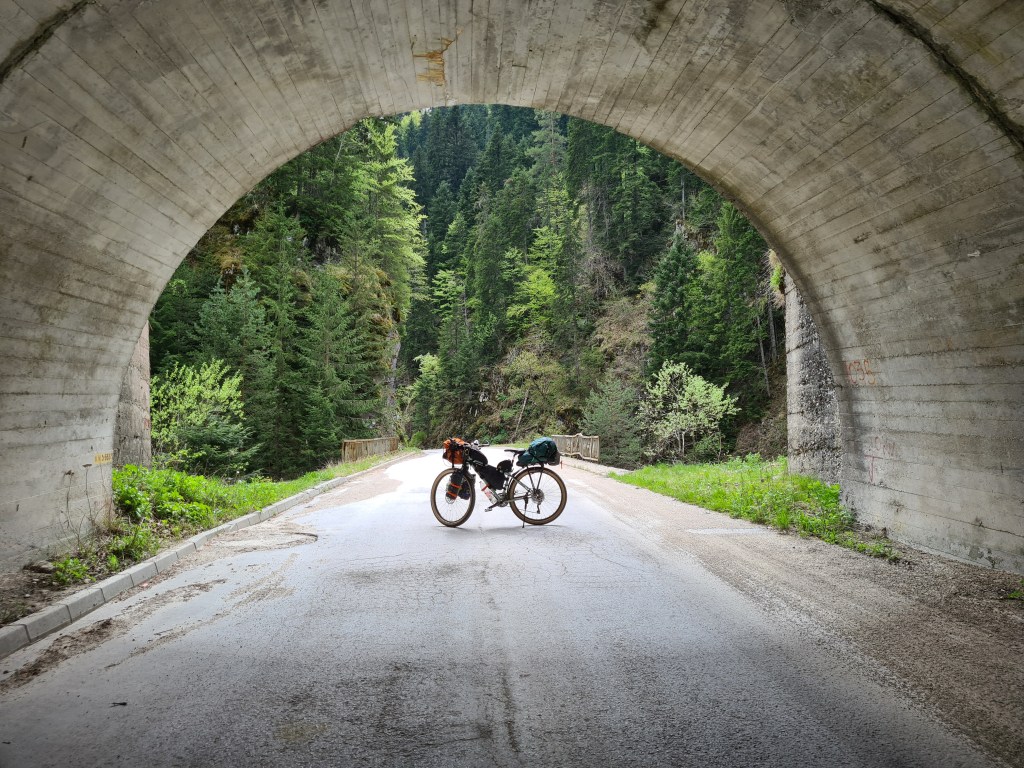
Right left right in the hills of Bulgaria
Bulgaria started on the right foot (then left, then right, then … sorry, I'll stop). As I crossed the border I was able to find a cappuccino (I hate Turkish coffee), immediately afterwards I came across a spring festival in some village (although not sure what about), and immediately afterwards I found myself on a dirt road far from the road, enjoying everything that the road and my bike know to offer. The rest of the day only got better as we went up a paved but remote and quiet road, fields of yellow turnip spread all around and best of all – trees! Only when I saw the trees again did I realize how relatively empty Thrace was of them. I missed the trees.
But what characterized Bulgaria for me is the clear pattern when I'm on the road, the days go one good day, one bad day (or as I called it, right-left-right). And since the first day was pretty good, the second day… was more challenging.

The plan was simple, to reach a village called Bukovo, and from there find a way to cross the forest on the small shoulder between it and the next valley. But until Bukovo the ride was supposed to be quite formal and simple. However, a navigation error and excessive reliance on Maps.me brought me in the late afternoon to a dirt road that was really not planned, that climbed between hills and valleys, included getting lost, plowing through the mud, pushing the bikes, general despair, crossing streams and horror of horrors – wet shoes. And it's one thing to wet them in the morning, but in the evening*? This is simply unprofessional. It was an unplanned adventure at all and quite unfortunate…
*And another really cold evening, as was revealed later
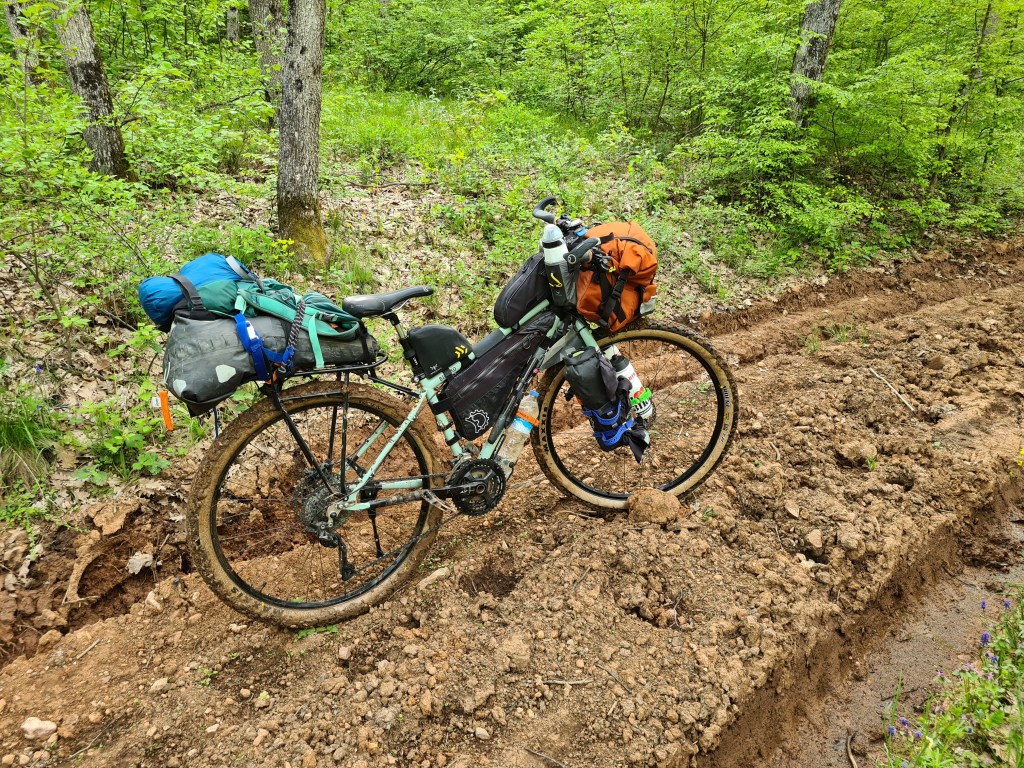
But since the pattern is right left right, then after a freezing night (-2 degrees! What is that supposed to be), a great morning came, and the route I had planned in advance through the forest was realized in a wonderful way. After a stunning descent through the hills, I made my way to Plovdiv.
Water and shoulders
For me, two things characterize the roads in Bulgaria – shoulders and publıc fountaıns
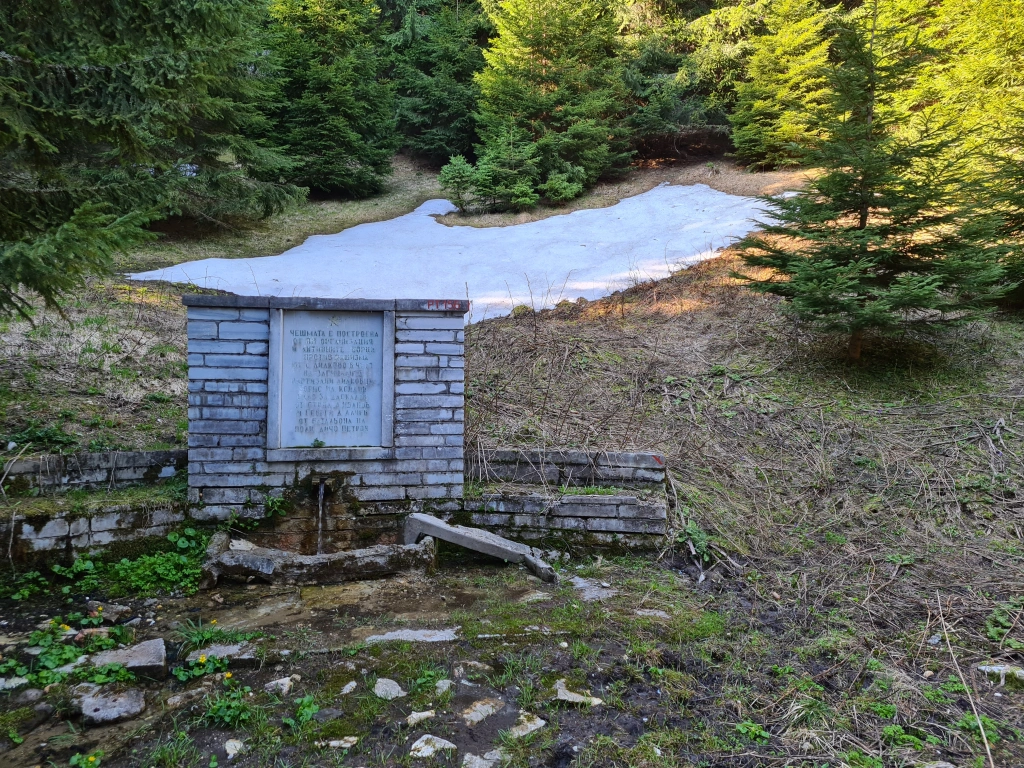
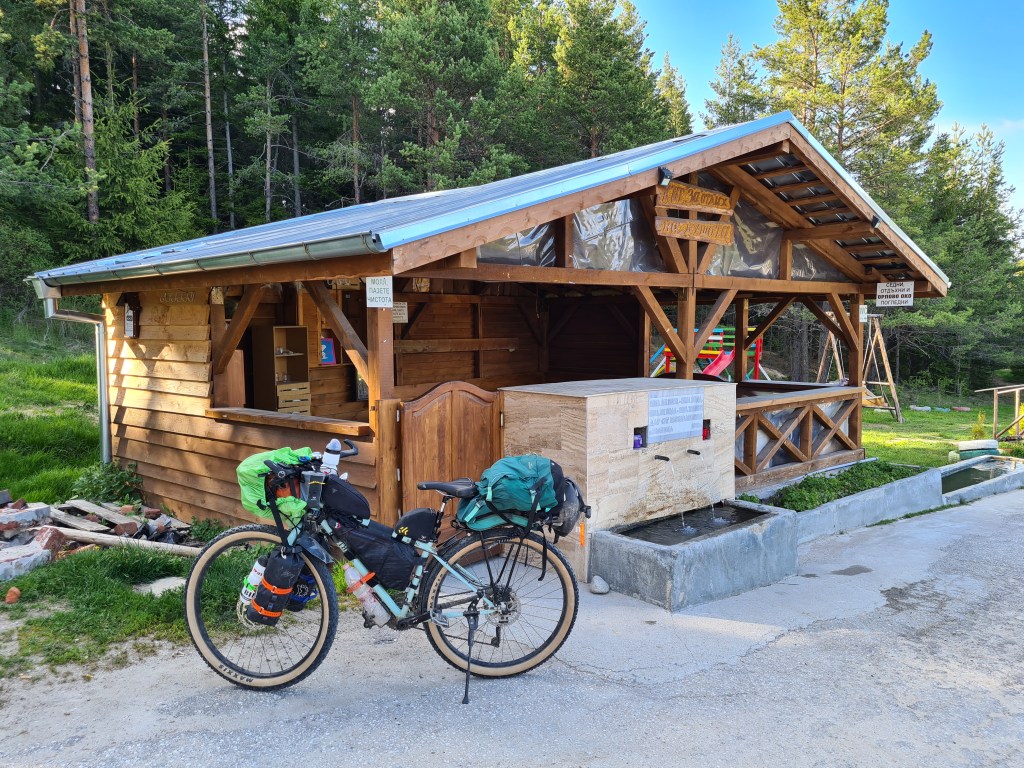
These public fountaıns are a great thing. They are abundant everywhere, most of them just flow constantly, you just have to put a bottle and fill. Even deep in the Rhodopes I usually didn't have to carry more than half a liter of water at any given moment, because the next spring was always not far away. Some of them had dedications and dates of birth and death, and it seems that in Bulgarian culture, when you want to commemorate someone dear to you, you build a fountain in his memory, sometimes with an entire cabin next to it for refreshment or camping (and I may have even slept in one).
The on the subject of road shoulders, well, Bulgaria leaves something to be desired. It seems that the Bulgarian Ministry of Transport* does not believe in the concept of shoulders , at all, including on highways. I accordingly practiced my favorite concept on most roads, which is British riding , meaning riding on the left side of the road, to see the coming cars. The rule of thumb is that as long as I'm on an highway and ride less than 25 km/h, I'm on the left side. If I'm faster than 25 km/h, or ride inside a village/town, I'm on the right side. It should be noted that the Bulgarians actually always gave a respectable overtaking distance, but there is no doubt that I felt much better when I could see them do it in advance, and not just hope that they do it (not to mention the possibility to react if they don't). God save the queen!
*And after all, there are no curbs in Macedonia either, although on the highway, in the short section I rode, there actually was.
Bi-polar urbanism in Plovdiv
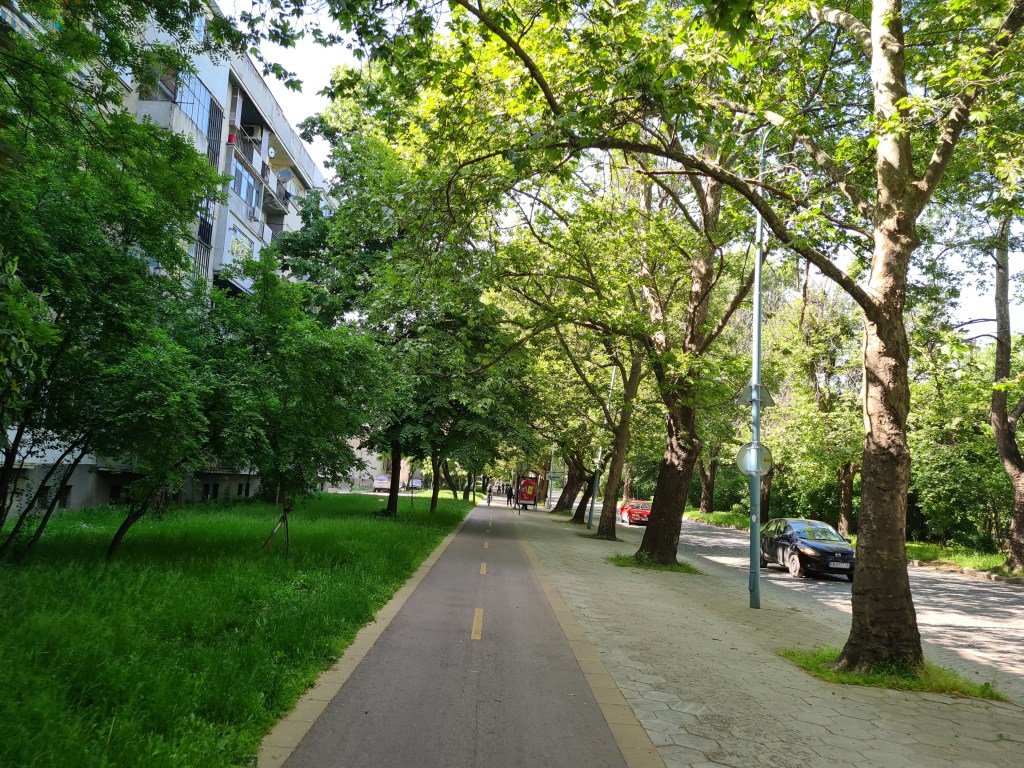
Plovdiv is officially my favorite city so far on the trip (in competition with Skopje), but also the most bi-polar city from an urban point of view, at least on the level of pedestrians and cyclists. On the one hand, as I entered the municipal area, I got on a bike path that led me much faster than I expected straight to the city center. And really, there is a main network of quite beautiful bicycle paths that crosses all the neighborhoods (although most of them are sidewalk paths, but there are also newer and better ones), there are bicycle traffic lights and even signage of the path network (!).
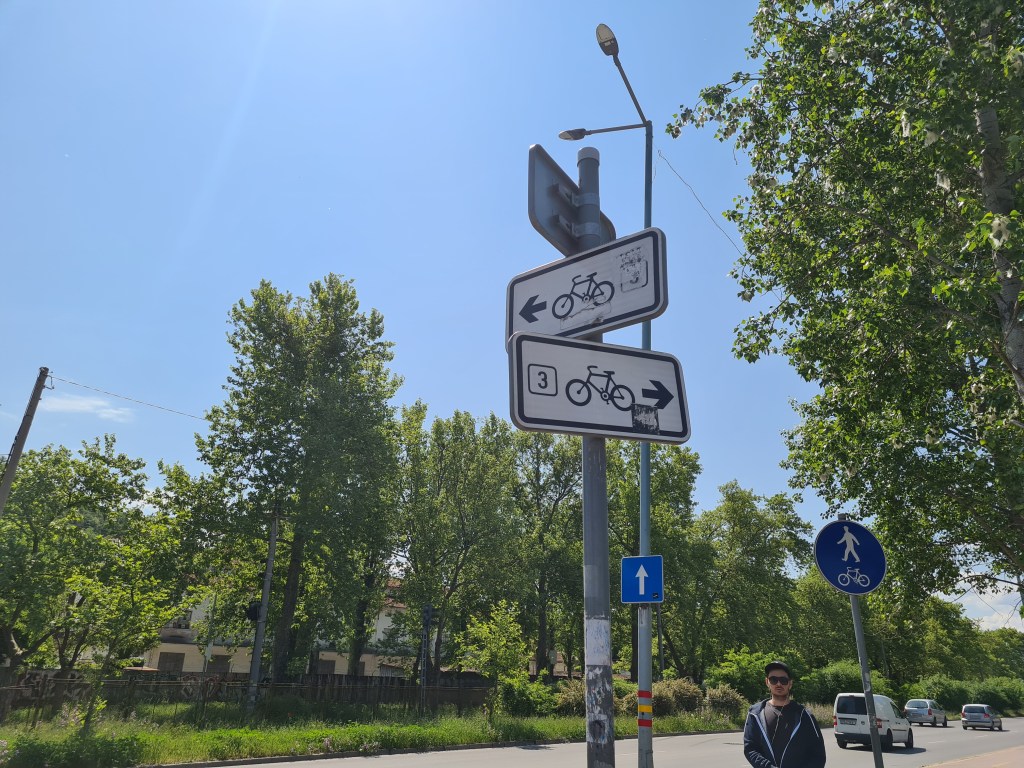
On the other hand, this is the only city where it was easier and more fun for me to ride around the surrounding neighborhoods than in the center. First of all, I slept in old Plovdiv, which, apart from being located on a hill, befitting an ancient city, is paved with Roman stones that shook my teeth. cycling around this area was very challenging (and there are 6 more hills in the city). But no less challenging was the fact that once you got down from the old city to the city center (not a simple matter in itself, as I will explain later), it turns out that the entire city center is pedestrianized, and the meaning is not only that there is no entrance for vehicles (there are also more extensive parts where the entrance is gated, that is, only for those who have a permit) but bicycles are also prohibited for riding (and this is certainly enforced). Which is not illegitimate, but just makes bikes useless in the city center. Every time I had to leave the hostel to go somewhere, Maps.me who would send me on a merry goose chase just to get to the other side of the block.
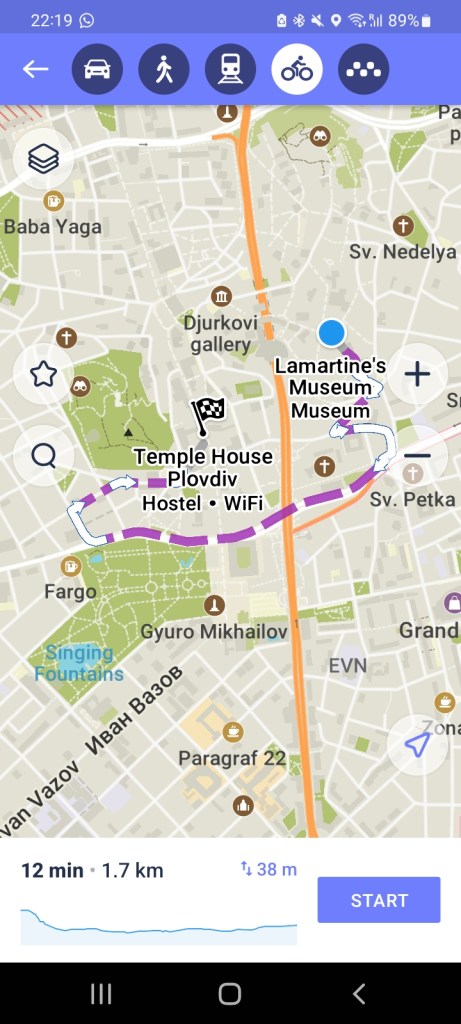
So you'd say, okay, so not the most bike-friendly, but it must be very pedestrian-friendly there, right?
Well.
On the one hand, the city center, yes, very much. Entire streets that you can walk around without seeing a single car, and many streets that are restricted to the entry of residents only, with gates (mainly the Old City and Kapana). It was done by the communist government in the 1960s, which is surprising, because pedestrian malls are usually made to encourage commerce, not the top priority of a communist government, but it turns out that they also recognized that it would be convenient to have one place for all the craftsmen to be and it would be possible it to move from one to the other comfortably. But above all, it is a government that could do whatever he wanted, regardless of trivial matters such as property ownership or public opinion. I was told that in their time, much more public spaces were developed than would normally be done. By the way, beneath this pedestrian walkway is buried a huge Roman hippodrome, only the edge of which is exposed to the public.
Also, Plovdiv is the greenest city I've ever been to – thick, big, shady trees on every street. Really, I told Sinan when we were in Istanbul and we were riding on Baghdad Street that you know you're in the best part of the city when you see big trees, but in Plovdiv, even in the most distant communist slums (that's what's nice about a bike, you get to see the whole city , certainly if you're looking for a local bike shop for some repair) there were big and beautiful trees.
On the other hand, try to leave the city center on foot. Even the crossing to the old city is quite terrible – when they pedestrianized the main street, they built a two-lane highway in the direction that pretty much cut the old city from the city center (with a tunnel under the hill). I happened to hang out with German couple in plovdiv, and the girl was in a wheelchair, and it was very unpleasant – the first time we had to cross, we just went down to the highway and stopped the traffic. Bulgarians are big believers in underpasses for pedestrians, a terrible thing for pedestrians and especially people who need accessibility (in Sofia it was also as bad). In most streets, the smooth movement of vehicles is still the governing principle in planning there.
And with all that said, I really liked Plovdiv. It's a city steeped in history (5000 years of continuous settlement!) and slopes, which includes a cobbled ancient city, free of cars (and bicycles) and a city center with an impressive pedestrian area, and you don't have to be a genius to understand what it reminds me. I really enjoyed being there and planned to stay and write some posts and a diary (this post was supposed to be written there), but on the second evening there I did what turned out to be a mistake in retrospect, and I checked the weather forecast. I then saw that if I didn't get out quickly to the Rhodope Mountains, I was going to ride in a lot of rain and wind. So the next day I spent the day arraigning and preparing (for example I bought a down jacket instead of the lost jacket, and what can I say, it's ugly but warm), and the next day, after a spending infinite time packing, I set out again.
trial by mud and snow in Rodopi
The first day in Rodopi was also great. What I discovered is that the beauty of the backpacking set-up is not only that you can ride off-road without hesitation, but that you can ride the dead-ends, all the roads that seemingly lead to nothing but dirt roads, which means there is no passing traffic, and the road is almost all yours . I climbed 1000+ meters on asphalt that day (which is better than climbing dirt), and I saw a car once every half hour. serenity.
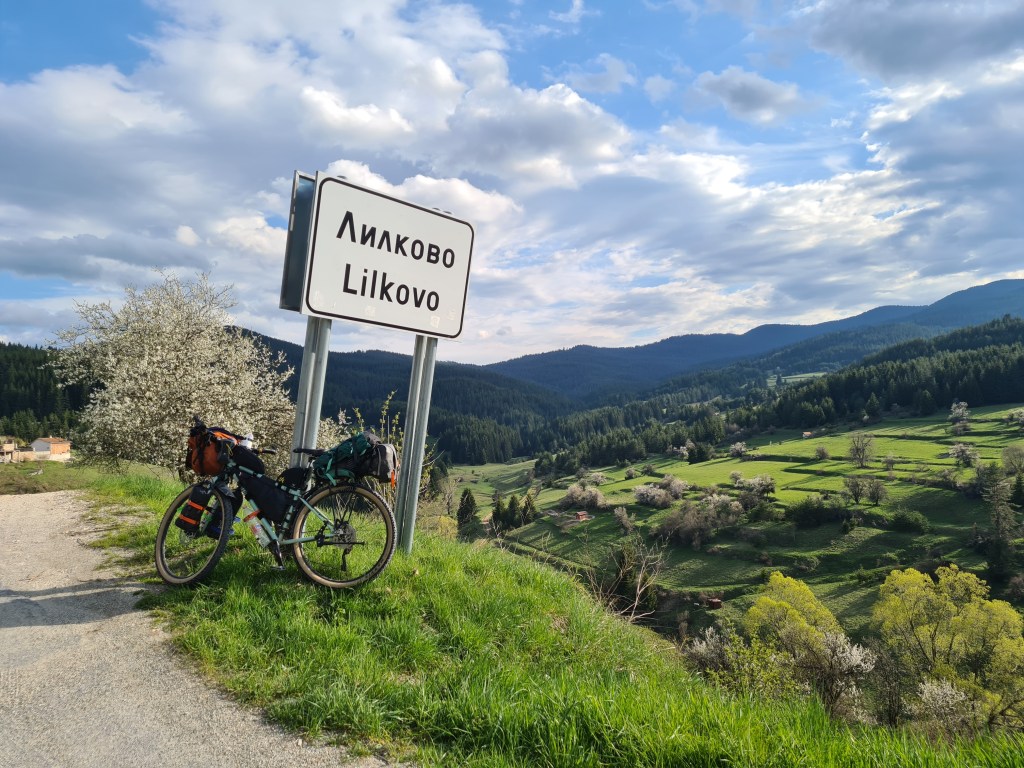
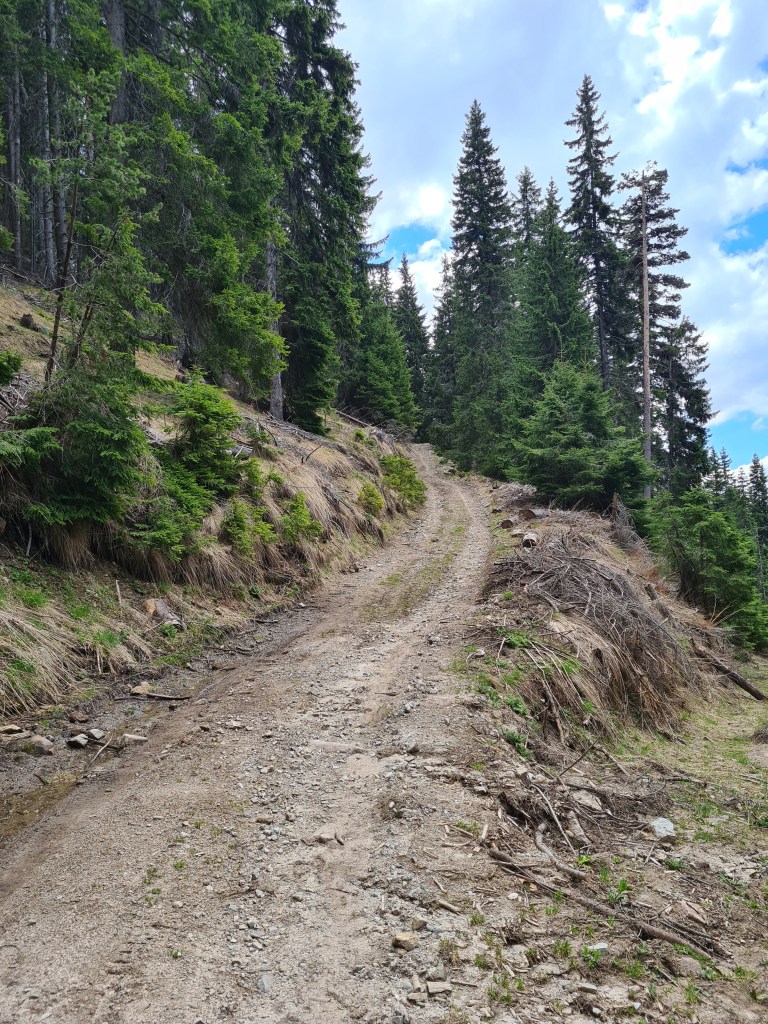
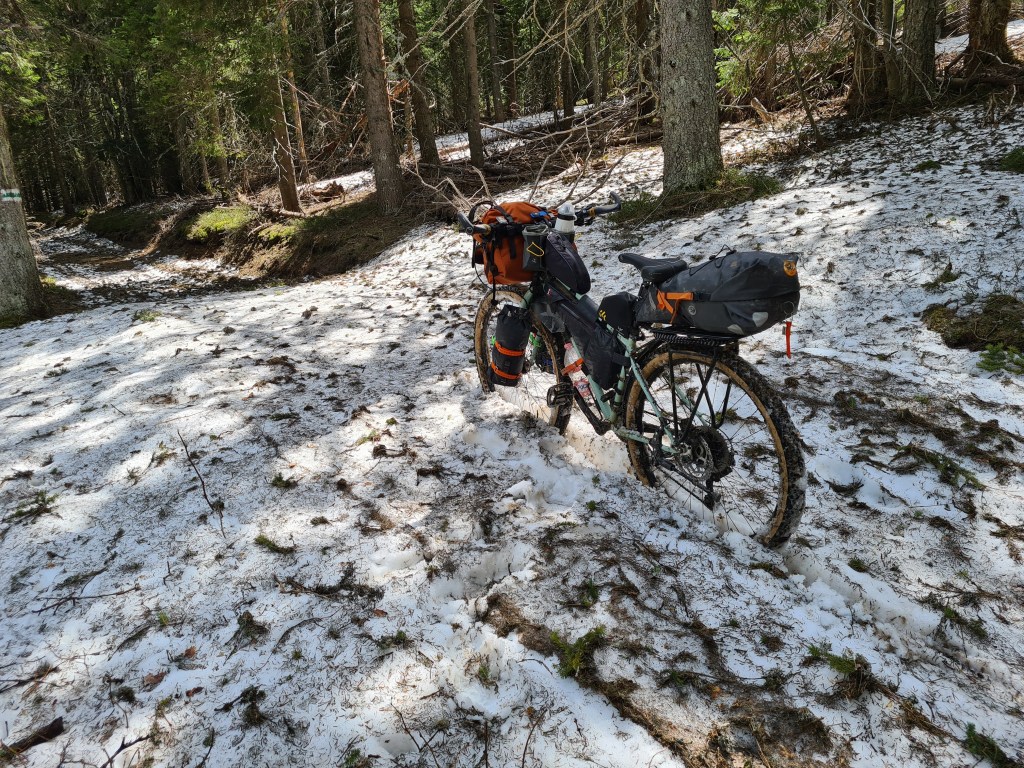
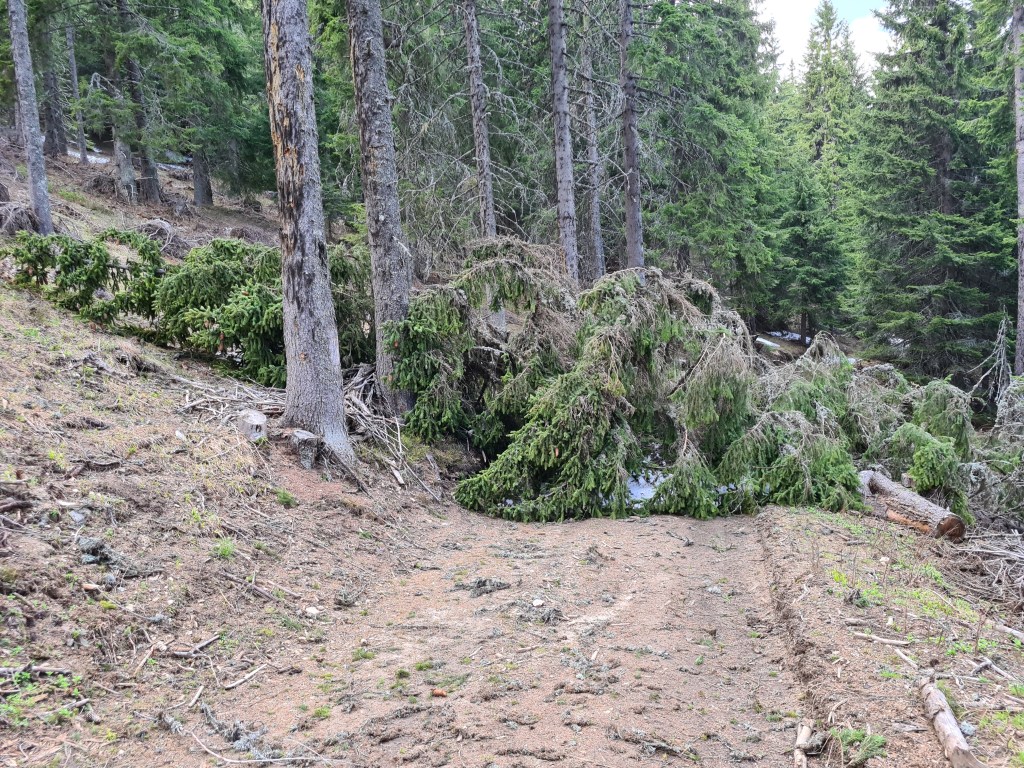
But the right foot-left foot principle came back with a vengeance. The next day was as much fun as a bad day at boot camp. The ascent on the asphalt was replaced by a bumpy road, which alternated with mud with puddles, and all in an upward direction with improbable gradients. I found myself getting off the bike and pushing/maneuvering through puddles more than riding, and of course cursing that damn mountain. After a long struggle I reached the crest of the trail, and I thought that ok, it's mostly downhill from here, or at least a flat-ish, but then I discovered that I had moved to a side in the mountain where the snow had not yet completely melted, and every twenty meters I had to descend and push the bike through a pile of snow, which slowly began to seep into my shoes… so the next few hours also included pushing and grumbling and cursing. Occasionally, to add to the experience, a fallen tree blocked the road, forcing me to go around it in snow/mud/impossible gradients. I went into Powerıng-Through mode with clenched teeth and I'm guessing my rate of progress was about 2-3 mph on the hard parts, but I'm not sure, Because I think the speedometer didn't even recorded my speed some of the time because it was too slow for the sensor. I was amazed to find that somehow I had done 45 km that day.
And that brings me to an important point – people sometimes ask me "how many kilometers do you ride a day?" or even "'what is the most you rode in one day?". But this is actually not an interesting question. Given reasonable conditions and sufficient riding time in a day, all days usually average out to the same mileage between 80 and 100. No, the interesting question is how few miles have I ridden in a day. Because a full length day with few miles indicates a day of real struggle. Tristan, the guy I mentioned In my first post, wrote on his blog that the day with the most kilometers he did was 330 km (in China), and the day with the least was 8 km (in Patagonia). I asked him about it, and yes, he would definitely take the 330km day over the 8 km day.
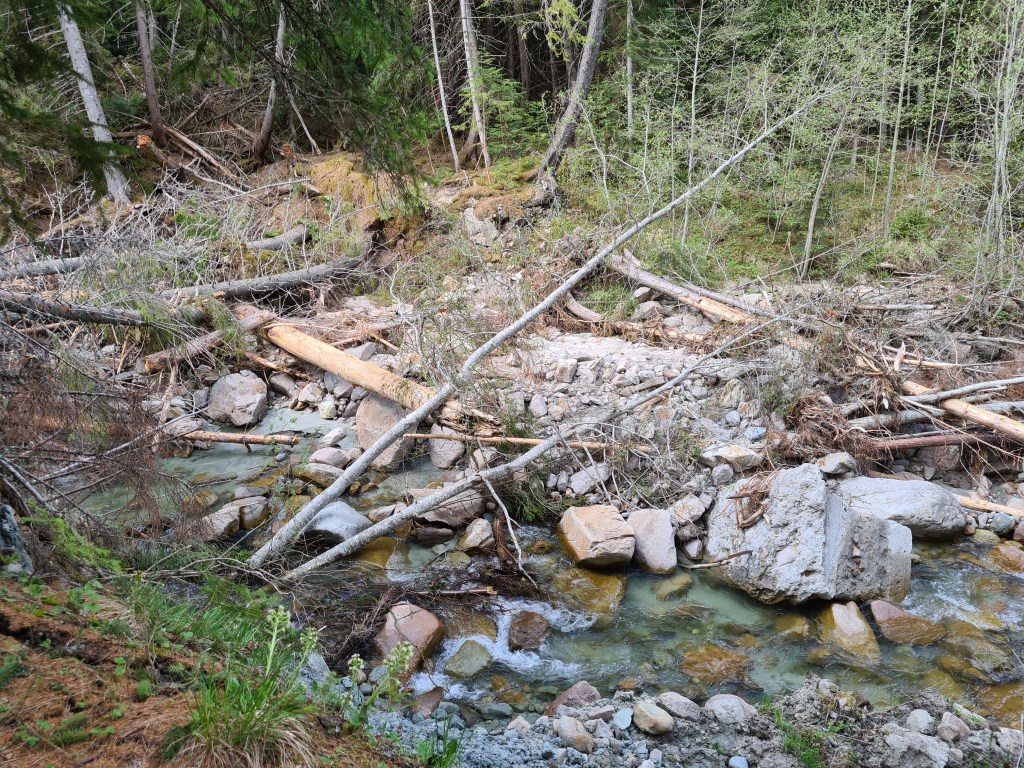
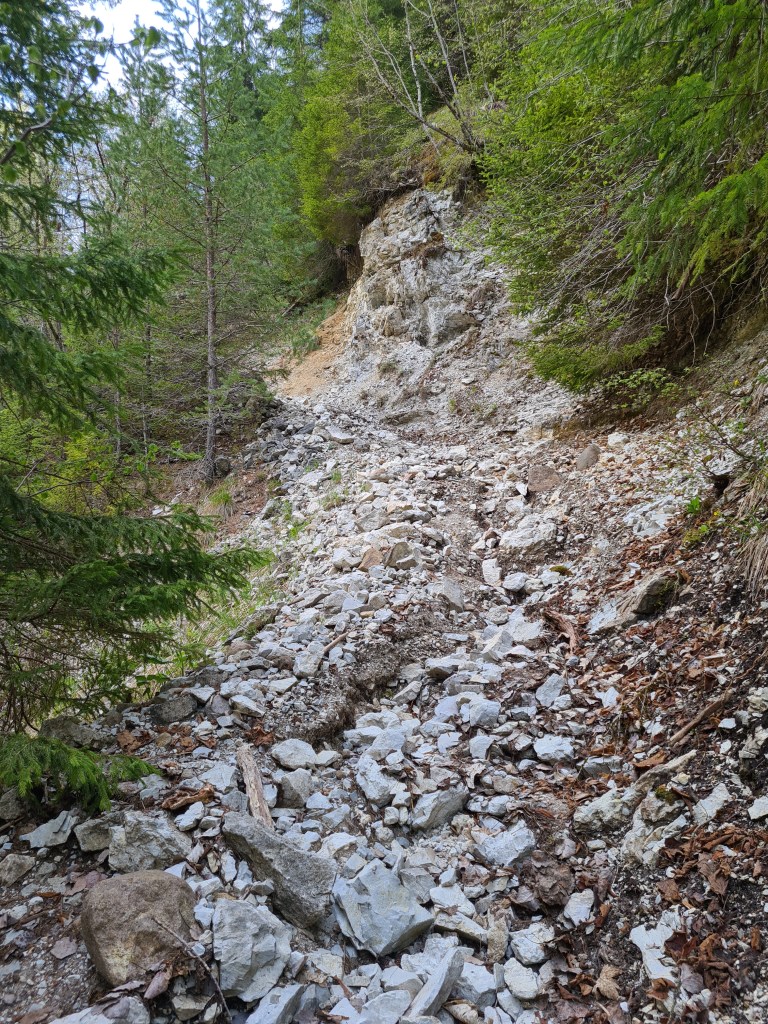
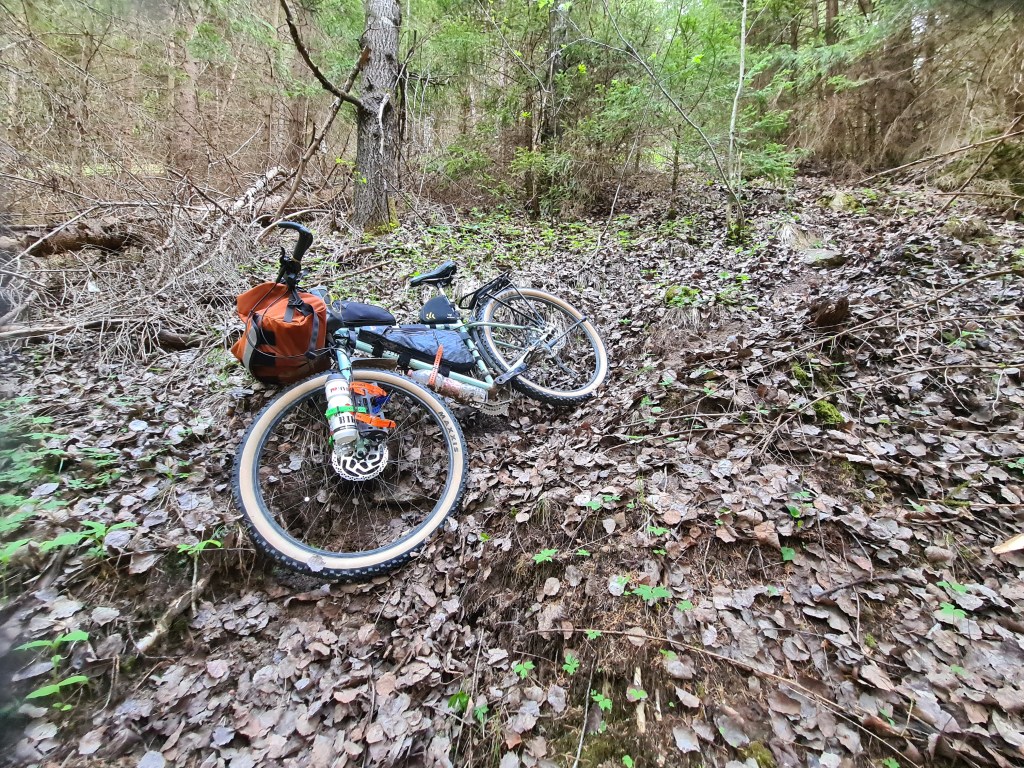
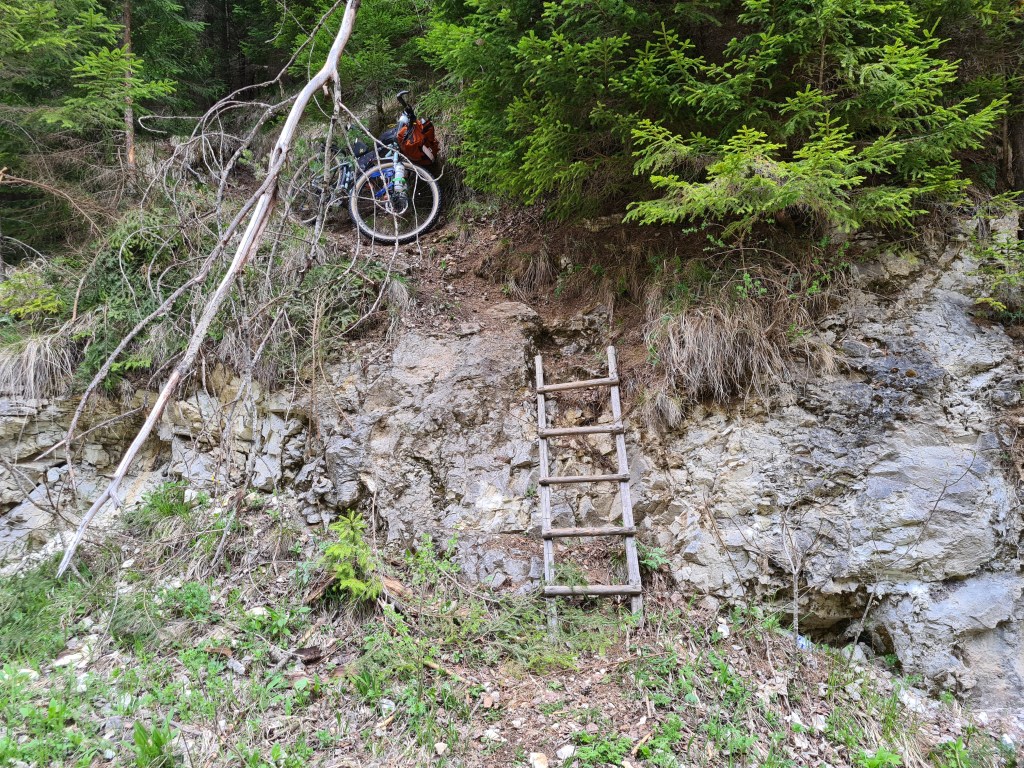
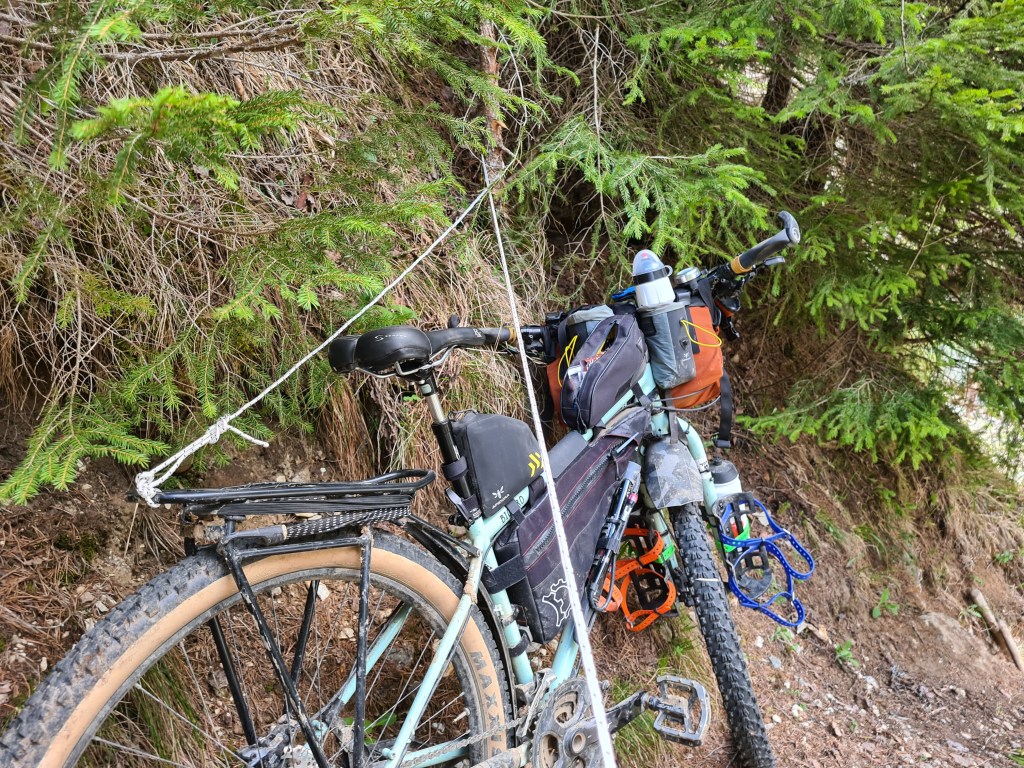
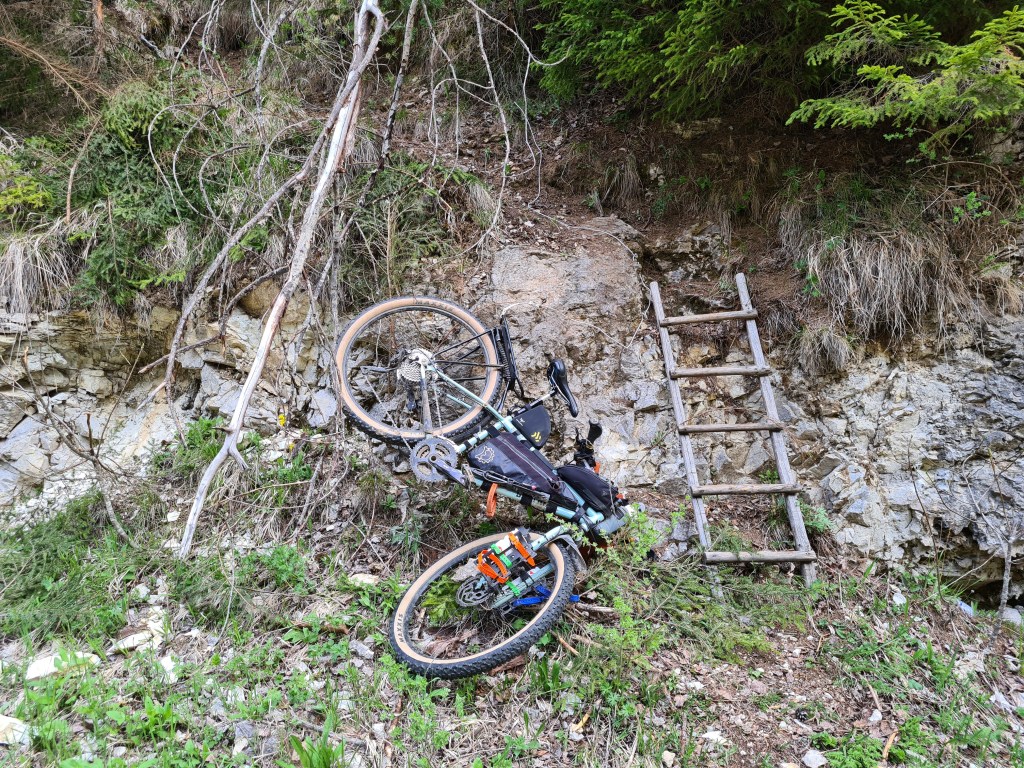
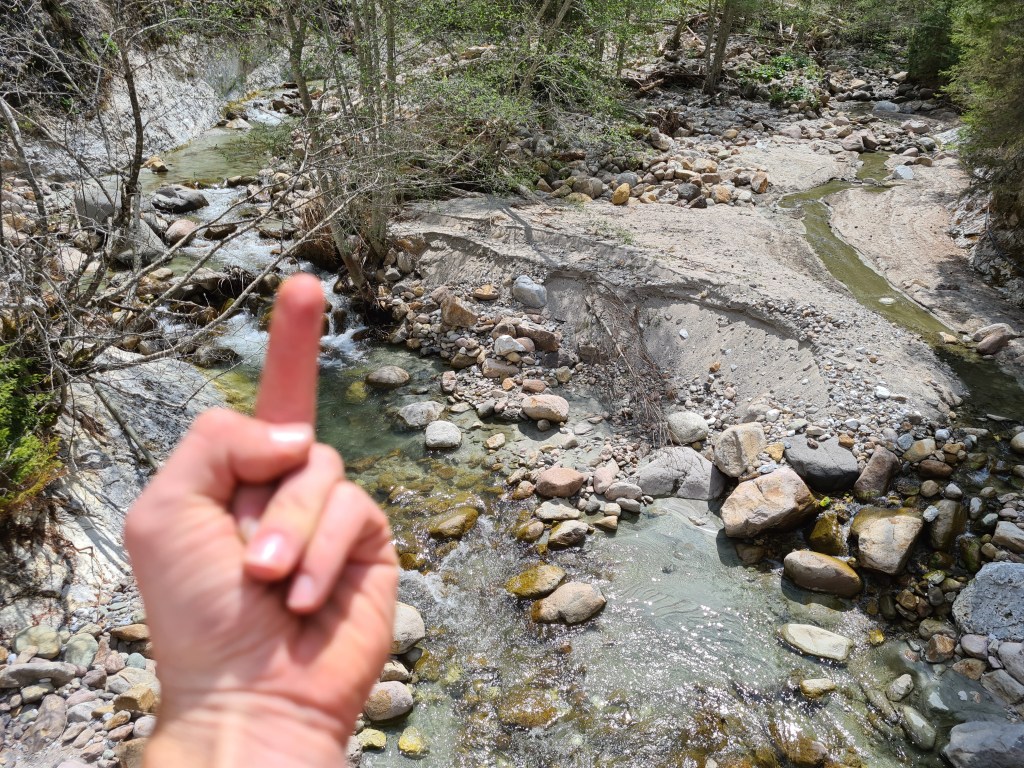
But the real challenge was on the fourth day. After a very successful third day, and an equally successful morning, I found myself in what was a real and complete dead end, not only for vehicles. The story is longer and more complicated, but the bottom line is that I found out that the road I was supposed to cross was washed out by a flood during the winter, which forced me to take a different "route", and walk the bike on descents and gradients that bikes are not meant to be walked with (riding? nobody was thinking about riding at this point). The "highlight" was the final descent back to the dirt road, where I had to overcome a ledge of over one and a half meters straight drop. Luckily, I packed a rope for the trip, and learned some physics. very nervously i slowly lowered the bike most of the step and let it fall the last few dozens of centimeters, but it is a hero bike, and it survived. Exhausted and tired, I expressed my appreciation for the river by urinating into it.
The rest of the day got better, and the day after was wonderful again, and I finally reached Bansko.
The problem is that since I was so worried about a knee problem, of course the pain appeared in my left wrist and I arrived in Bansko already with serious concerns about the continuation of the trip. After half a day of rest in Bansko I decided to take a bus to Sofia to take care of all sorts of related matters, and as I arrived I decided almost immediately that I didn't like it. I may have been slightly biased due to circumstances and mood.
Long story short, I had a zoom appointment with my physical therapist, we identified the problem, and he gave me some stretches to do and other recommendations. Along with changing my handlebars (for the third time since I bought the bike, mind you) and some other helpful advice I got on riders' forums, the situation improved wonderfully, and since then I've done another 4 days of riding into Macedonia (but that's in a separate post). But the three days in Sofia felt to me like a waste of time for a variety of reasons, and I really didn't enjoy the thought of the consequences of this injury, if it continued.
From there I returned by bus to Bansko and after another day and a half of spectacular riding, I left Bulgaria behind. I left with mixed feelings, not because of the more questionable experiences (there were enough great experiences to overshadow them), but because of a certain sense of missing out. When I ride in a certain country, I do strive to try to understand what its story is, and above all, what story it tells itself about itself (which I do feel I got in Macedonia, but that's for the next post). In Bulgaria, because there was always "things to do", I didn't really have time to do it (mostly I'm sorry that I didn't stay another day in Plovdiv, but also that I didn't have time to get to know Sofia a little more than to plow its streets by bike on the way from one bike shop to another). You might be asking, "Then why didn't you stay longer? Where are you in a hurry? You have six months in Europe." So the answer is that it is a constant tension that I live with during the trip. On the one hand, I want to get to know places properly, and do the trip I want to do. On the other hand, Before the start of the trip I built a route by days, and yes, I have a lot of spare time until London (I was supposed to arrive in Calais on August 8, too early by all accounts), but for example, so far I have accrued a gap of 10 days from planning on only one month (yes, I am a month on the road now). True, a lot of this was due to the difficulties of organizing and getting started and injury, and still, in extrapolation, it is a bit worrying. I wouldn't want to arrive in Amsterdam in the pouring rain.
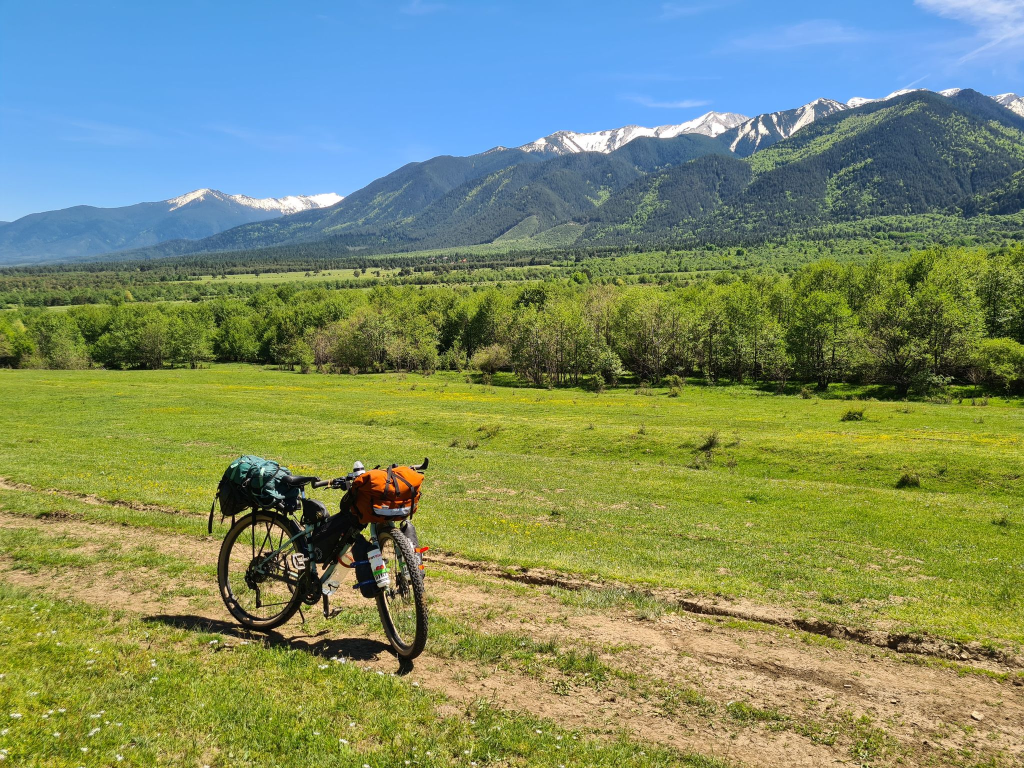
In any case, I did get to know Bulgaria a little, and it was an interesting and fun for the most part, and I will end with perhaps the most surprising thing for me that I learned about Bulgaria.
The ghost villages of Bulgaria
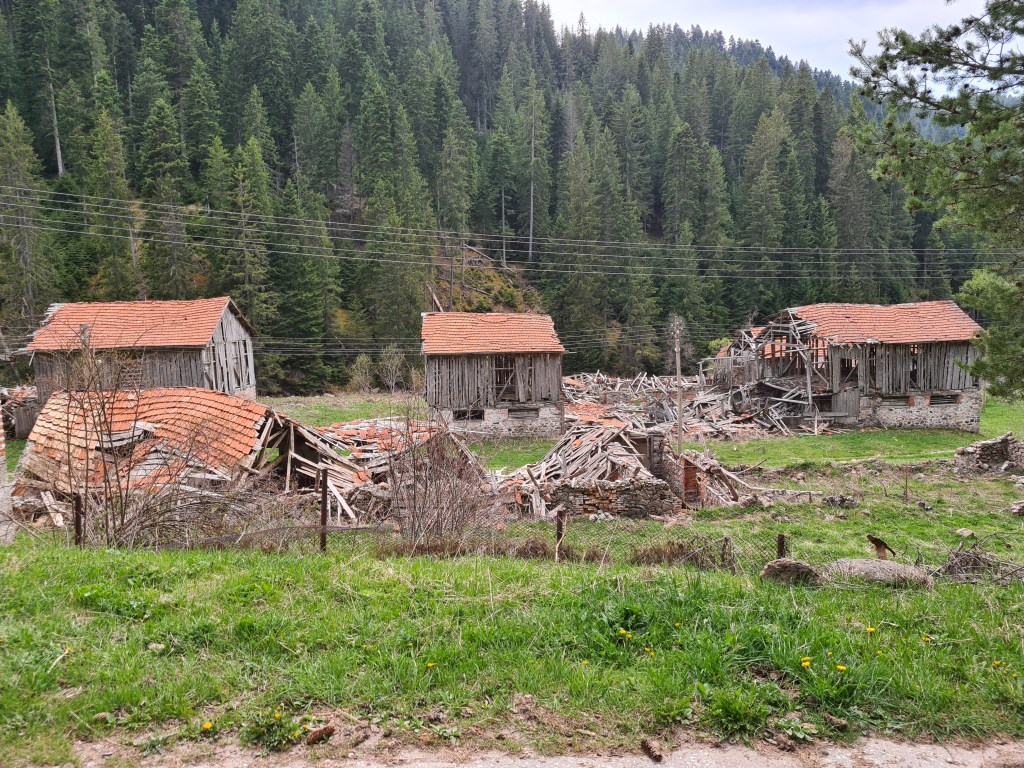
At the end of the first day in Rodophe, I had a rather creepy experience. I entered the village in the evening where I planned to sleep and discovered a ghost village. I passed dozens or even hundreds of houses in varying states (from dilapidated to new and beautiful), but not a single person. The only thing that indicated a human presence was something that sounded like a shepherd's flute pouring from an unknown direction from the surrounding hills, but that only made the situation even creepier. For a moment I wondered if I had reached thea reality version of "Straw Man" .
Later on I did meet a young man who came to take care of the horses grazing in the meadow, and it turned out to me that there are 10 permanent residents in the whole village.
Now, already in my first days in Bulgaria I saw that the villages contained many more houses than people, but this was an extreme case. Of course, the fact that they are at the end of a long long road at the top of the mountain contributes to the situation.
But the basic fact is that the rural areas in Bulgaria are becoming empty of people. Urbanization processes are something that happens in every developing country, and people have always left villages in favor of cities, but in the case of Bulgaria, this joins the general trend of something in Israel we can only imagine (let alone fantasize) – depopulation.
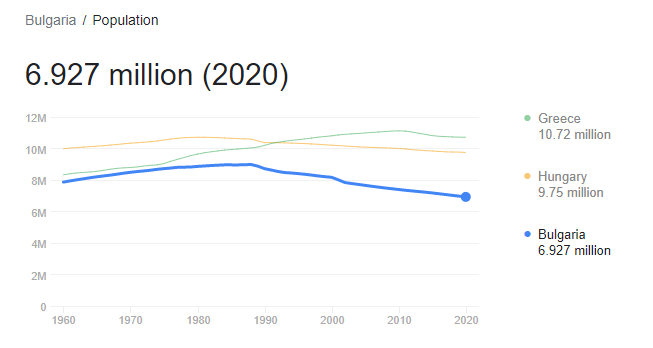
And while this is a relatively extreme case, this graph looks pretty much the same for almost every other country in the Balkans/Eastern Europe
Bulgaria, like other countries in the Balkans and Eastern Europe, has suffered a double blow in recent decades. Like many more or less developed countries, people have far fewer children, because a. these children usually survive their childhood, so there is no need for spares and b. people get all kinds of dangerous ideas such as career and self-realization and that. It's just that while Western countries compensate for the decline in the birth rate by immigration, well, guess where this immigration comes from. The Bulgarians, who hold European citizenship (although they are not part of the Schengen Agreement, which is good for me), are simply voting with their feet, because why be a waiter or work as a doctor for a Bulgarian salary when you can get on a train and work in Germany. And of course, it's better to be an Uber driver in Paris than to work in a field at the top of some mountain in the middle of the Bulgarian winter. This is especially problematic because many times they are exactly at the age when people usually have children, which removes both them and their children from the count.
It is not clear where it will go. On the one hand, in Sofia (the only place in Bulgaria that still shows some kind of population growth) and in Plovdiv I didn't see traffic jams, and I guess there is something refreshing about not trying to chase the tail of demographics in an attempt to adapt the infrastructure to a population that is growing at an alarmingly fast rate (not pointing fingers to any country here, ahem ahem). I guess it does give more breathing space to the natural areas, even though there is still quite a bit of deforestation (although in an hour in Bulgaria I saw more trees than in a week in Thrace)
On the other hand, it is clear that from a social and economic point of view this is a huge iceberg on the way to a collision, and this is, as mentioned, a problem that all the countries of the Balkans and Eastern Europe are facing. It's going to have a profound effect on this whole area in the not-too-distant future, and I'm a little surprised that it's not something that's talked about more (I mean, maybe you guys knew this, I'm discovering this for the first time). It may be related to the fact that Western Europe is quite enjoying the current situation, so why should they talk about it. Anyhow, a hundred or so villages in Bulgaria were declared abandoned in recent years, and I think if there is something I will remember from Bulgaria it is the destroyed and empty houses in every village I passed.
Promises should be kept, sort of
And of course, the solution to the riddle from last week – what is the connection between bicycles, Frankenstein and the Mormon religion?
The answer is – the eruption of the Tamburo volcano, one of the largest eruptions in human history. The following year was called "the year without summer", when temperatures dropped around the world and crops failed. What does this have to do with Frankenstein bikes and Mormons? Well, this post is already long enough, so you are welcome to read the Wikipedia entry about it (specifically the "effects" part), but I would rather listen to the excellent chapter by Memory palace about the story.
And off we go again
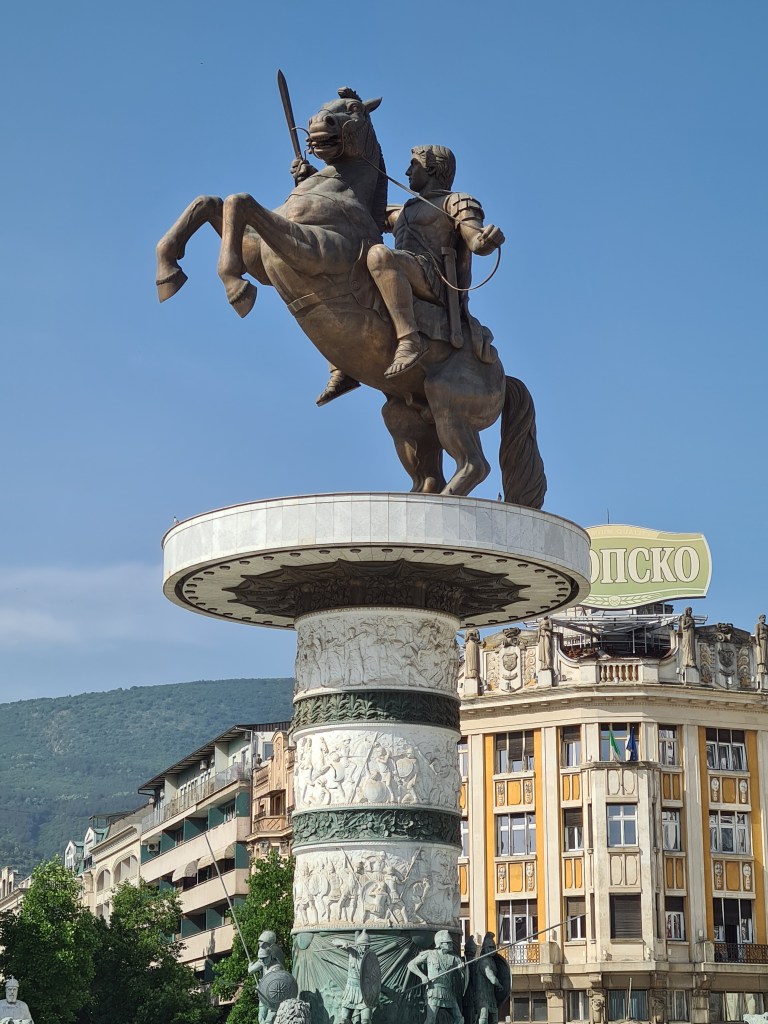
So that's it for now. It was longer than expected, and I didn't even get to write about navigation issues and life on the road (I write the best posts in my head while riding, you only get the blurb). I am currently in Skopje, and will probably leave tomorrow, although I have not decided where to yet. I have so much to write about Macedonia, but that will wait for another post. In the meantime, get a picture that tells a lot about Macedonia and Skopje – "The warrior on the horse" (and the riddle for next week is who the famous warrior on the horse is, and why the statue is called that and not directly after him)
 יצאתי לשאוף קצת רוח