I think that when I look at my trip, Italy was a place I didn't enjoy most of the time, and that after the Balkans, felt like a dip in the trip. It took me a while to define why, because there were several reasons, and I will try to explain it to myself and to you . But of course it wasn't uniform, and Italy also included one of the most significant highlights of this trip for me, so those who are less into hearing me complain, can jump to the end and see photos from the Dolomites, because it's really stunning there.
sometimes, you won't
I think a reasonable definition of the term "disappointment" is a gap between your expectations and actual reality. And my expectations for Italy were more or less like this – after two months or so in the Balkan mountains, I expected to arrive in northern Italy, to finally enjoy the fitness I had built up in those two months and to gallop easily from city to city through the plains of the Greater Po Valley, while drinking good coffee, eating Italian food and absorbing a lot of history Roman and Italian, and especially getting to know northern Italy and its story directly, because in the end the story of the place is what interests me. So what went wrong?
In the heat
The first gap was the part of galloping across northern Italy. Because I somehow managed to get into the lowest and hottest place along my route right in the middle of the historic heat wave of July 2022, just after I had spent time in the mountains of Croatia and Slovenia (in Slovenia, a few days before, I had a crazy hailstorm), and just before I went up to the Alps. To be fair, June and August also had some heat waves, but July's was perhaps the most brutal. And my friends, it was pretty brutal. I rode every day in heat over 40 degrees. I had a few rather hot days in Croatia, on the way to the mountains, but then at least I could take comfort that I was on the way up, and it would be cooler there, as it was. In the plains of Italy there was nowhere to run. I would start riding as soon as possible, 6-7 AM if I could get out in time, ride as much as possible until lunchtime, before the heat would drive me into a local coffee shop, because I just couldn't go on any longer. I would spend the "hot hours" there, waiting until it was sane to go out again, but when I would go out in zone 16, I would find that no, it's not sane anymore, it was still horribly hot, but i would continue riding, because what can you do. hell. Even when I stayed with people, and certainly when I slept in a tent, the heat didn't exactly let up.
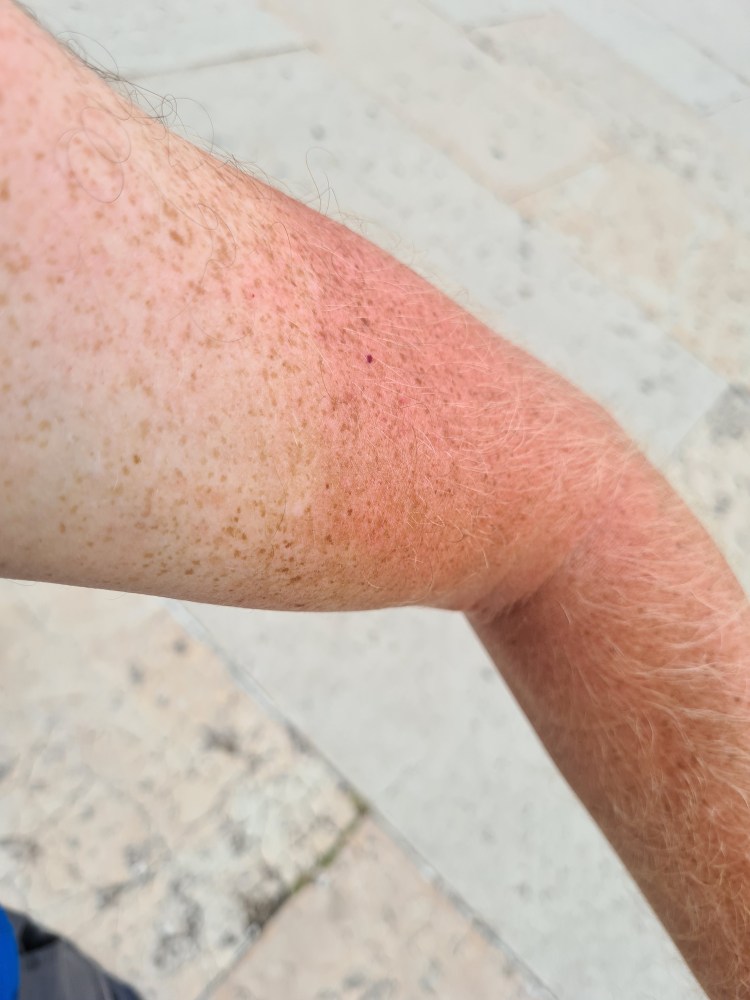
In addition, I quickly discovered that plains are boring. A day without a climb is a day without a plot. The first day in Italy was the worst, because it involved riding on hostile roads, through boring scenery, and as mentioned, terrible heat and humidity. This day is written in my diary under the heading "riding through the armpit of Italy". So already at the beginning, the part of enjoying riding on the plains pretty much went kaput. I don't think a bike trip should be fun all the time, clearly it's a different kind of fun*. But I don't believe it should be suffering, and riding in Italy during the heat wave was quite unbearable, and even walking around the cities and doing some sight-seeing was just not fun.
Douglas Adams has an excellent book called "last chance to see", "where he goes to see endangered animals. In the way of Adams, this is a smart, funny, sad and beautiful book (and recommended). And this is a phrase that crossed my mind when I started planning the trip. Looking at the ecological trends, it's clear that some of the things I want to see may not be there, or rideable, in a few years. I feel that in northern Italy I got a taste of the future to come. In fact, two weeks before I stood on a ridge overlooking the Marmolata Glacier, a huge piece of it broke off and killed 11 people who were hiking under it . Go see the world, some things won't be there soon.
Footnotes
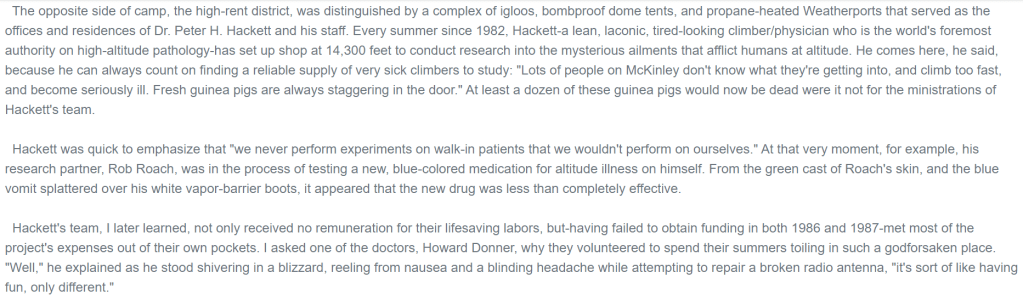
*In one of my favorite books, Eiger dreams by John Krakober, which is a collection of articles about mountains and people, he describes in one of the articles the slightly hallucinatory scene of climbers at the base camp of Mount McKinley (Denali, by its local name), the highest mountain in the USA, And among other things, he meets a bunch of doctors there. I'll let John talk from here, but I will say the quote at the end is a phrase I really like and use a lot. A long bike ride is a different kind of fun.
Between here and there
The second part of the reason why I didn't really enjoy northern Italy has to do with the fact that I wasn't really there, mentally.
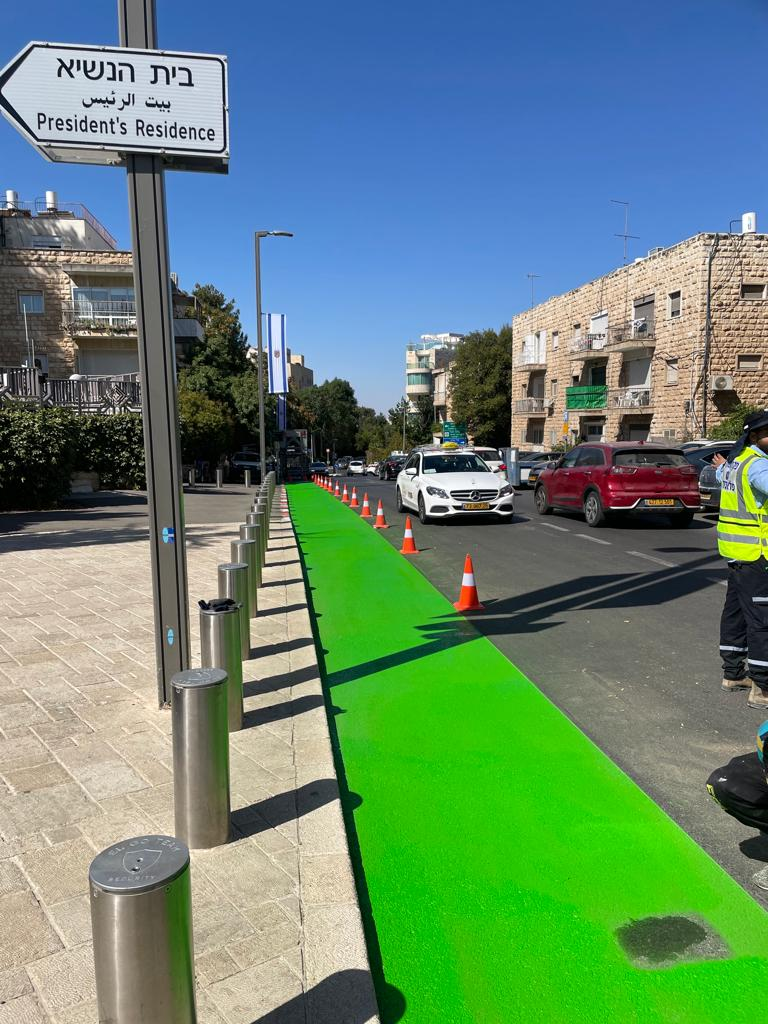
On the first day I entered Italy, something happened that for me was the no less than a miracle- after two or so years of struggles and policy papers and meetings, and above all many, many delays, the Jerusalem municipality marked the first real bicycle lanes in the city. People I talked with that day heard me saying, "You think that what excites me right now is riding in Italy, but what really excites me is this", and I sent the picture that I had already received from 4 different people in the municipality. It was the greatest achievement of bicycles for Jerusalem (and from here on I'll use the Hebrew acronym – Avi) in the last decade, that the municipality implement a bicycle path that we proposed in the heart of a residential neighborhood. I received the photo, looked at it for a few seconds, rode on, and a spontaneous yell of "Woohoo!" came out of my mouth while riding.
It seems to me that this is the point where we need to talk about Avi and what the organization means to me.
So I think it wouldn't be an exaggeration to say that Avi is the thing I'm most proud of having taken part in in my adult life. I served in the army, traveled, did a bachelor's and master's degree in physics, things that many people do. I was very proud of the project I took part in in my first job, It was a cool project with great people. but Avi was different. I joined half by accident in 2010 when I heard about the community rides, and I started getting involved when I tried to start promoting a bicycle gate at the entrance to the university. After working together with the student association of Givat Ram, within a few months there was already an entrance gate (and this was the last quick victory I ever had on through bike activism), and I simply integrated into the general activity of organizing rides and meetings with municipal officials.
But over the next few years the small team of volunteers dwindled – people got married, became parents, left the city, left the country or just moved away. around 2014 it reached the state of "the last one to leave should turn off the light", and I was pretty much the last activist, and it was clear to me that when I leave, the organization ends. We stopped the rides, because we would put in a lot of effort and five people would come. My regular joke, which half of the people reading this have already heard, is that I would write on Avi's Facebook page "We, at Bicycles for Jerusalem, believe that…" are cycling for Jerusalem" because writing "I at Bicycles for Jerusalem…" was a bit awkward.
And then somehow, in the last five years, in a way that I still consider miraculous, the organization came back. There was not a single point of return, it was another meeting to recruit activists, and another person who came for a specific activity (say, a petition against the train) and stayed to organize rides, and another person who started talking to me about something completely different (say, when is the Ein Kerem tunnel will open) and found himself in the planning team. There was the stage when we received a grant from an environmental Foundation that allowed us to massively publicize the rides, and Aki and Jonathan came and opened the community workshop. And from there, we turned from an esoteric organization on the verge of disappearing into one of the most active civil society organizations in the city, with several dozen permanent activists, monthly rides, regular dialogue with the municipality and above all – a real impact. And I am very proud that I got to take part in this process.
And yet, it was clear to me that when I go on a journey, I have to leave Avi*. Because the flip side of all this was that in recent years, and especially in the last year, I have invested an unquantifiable amount of time in Avi's activities, and i believed that if I'm going on a journey, I need to focus on that journey. And above all, that you can't really try to help manage things on the road, and that it's time for it to move on. And I really left all the WhatsApp groups, except for one, of the team representatives, where most (though not all) of the people I considered good friends from the organization were, so I stayed mainly to send pictures of bike paths from around Europe.
Now naturally, a lot of people, in the municipality or just in general, still know me as "the bike guy from Jerusalem", so still people here and there approached me (i did one or two interviews while riding in Slovenia and Italy), but I continued to do what I was doing Until the journey, and that is to try to pass on all these connections to other people at Avi.
But when I got the pictures of these lanes, that we spent so much time making them happen, and waited much longer for them to actually happen, and then when I heard that, as expected, there's a backlash from some nimbies (because they took some parking spot, of course), I was kind of drawn back in, to help with what was actually our first public campaign. It definitely helped (or didn't help) that during the day I had 4 hours where I couldn't move anywhere anyway.
It took me a while to realize that this happened, and that I'm investing time that I need and want to invest in traveling, and above all, that I'm mentally there instead of enjoying where I'm at. So I started pulling myself back out gradually, (I left the whatsapp group we started for this, and several other friend groups on the way), and I let the guys in Israel continue on their own, and they are doing an excellent job. And this is perhaps the thing I am most proud of – the fact that I have not been in Israel for six months, and the organization continues to operate regularly. The rides go out every month, the connections with the municipality still exist, there are activist meetings and team meetings. The light didn't go out, and I also think it grew.
In the end, it is quite natural that I will continue to be involved in the organization, it is ultimately something that I have invested a lot of time, effort and love into. Even if I don't get up in the morning and go to work every day but get up in the morning and start riding, I don't stop being "me", and the things that were important to me then continue to be important to me now. But it is important to know how to balance it with my needs today, and above all, to know how to let go.
Footnotes
*which mainly means to leave all WhatsApp groups. Because what can you do, Avi lives in WhatsApp groups. It's not wonderful, but it's the simplest and fastest way to add new people. If I had a shekel for every time someone, including me, said "Maybe we should open Slack channel", we could finance a paid community organizer (and of course a Slack was never opened).
Coordination of expectations and overdoses
The third gap was that I think my expectations were unrealistic about "understanding Italy". In the Balkans I was exposed to a story that I had never known, so I felt that I was learning a lot. But in Italy, well, there is much more history on the one hand, and on the other hand, you have to dig much deeper to be exposed to things you didn't know. And somehow, it just didn't work for me. There were far fewer interesting tours to participate in (a good walking tour is, in my opinion, a great way to get to know a place, but there is an inverse relationship between how touristy a place is and the quality of the tour). And I think it was mostly very ambitious to try to "understand" a place that is probably the most historically charged area in the Western world. From Roman times to the present, something has always happened in Northern Italy, and the interesting part for me, of Roman history, was mostly buried under a lot of other Northern Italian history.
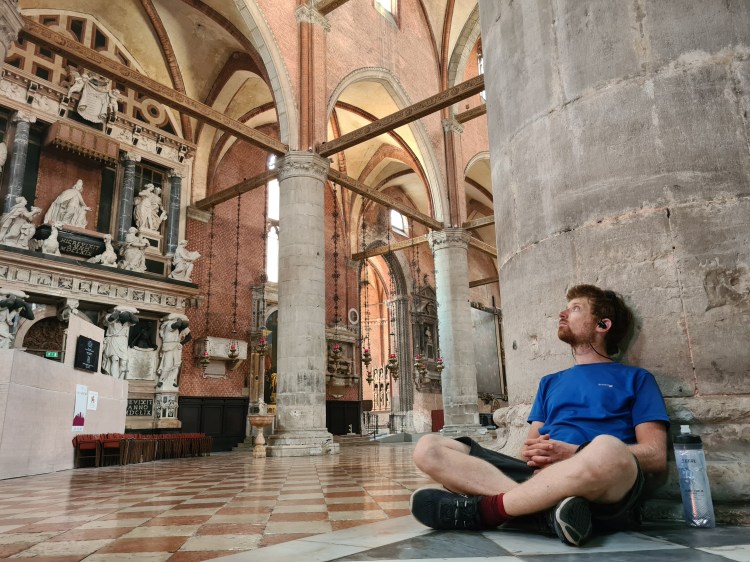
I think I also experienced an overload of beautiful Italian cities. I mean, in the Balkans I usually had between three days and a week between interesting cities. In Italy I just skipped from city to city, day after day, and it got tiring being the "tourist", and seeing yet another cathedral and yet another museum. Especially in the unreasonable heat (Venice was quite unbearable, a combination of crazy heat and a suffocating tourist vibe. I went into the cathedrals only to escape the heat and the people). In Verona I already started to feel like I'm checkmarking (but from Verona things got better). I think I realized in retrospect that I like cities, but I need more distance between them.
But Oh, the Places You'll Go
So, from the combination of all these things – the heat, the distraction, the too high expectations and the rush – it turned out that I experienced Italy as a certain disappointment. But it's not that everything didn't work out. There were two places that I was incredibly enthusiastic about, and one of them is still considered to be one of the highlights of the trip.
An empire trodding in the swamp
So first place is Ravenna. It should be said that at face value, Ravenna is currently a rather boring city compared to other cities in the region, visually and probably also in general. But for me, Ravenna justified a significant detour, because I am a lover of Roman and Byzantine history, and Ravenna is actually the deathbed of the Western Roman Empire on the one hand, and on the other hand, the last bastion of the revival of the Eastern Empire on the Italian peninsula.
Something not everyone knows is that when Rome was sacked by the Vandals and the Goths, it was no longer the capital of the Roman Empire. As the empire grew, the city of Rome gradually lost its importance (Already Hadrian almost never stayed there during his term), and during the third century AD, when the Roman Empire almost fell apart due to tribal invasions from the outside and rebellions from the inside (a period called the crisis of the third century, including a phase that the empire split into three parts), the emperors moved the capital to Milan, the gateway to the Alps, in order to be ready to respond to any invasion that would cross the Alps. The empire, almost miraculously, survived the third century, returning to a period of greatness under a series of emperors (Aurelian, Diocletian, and of course Constantine the Great), but then in the fifth century things began to fall apart again. And this time, the Western Empire no longer had the strength and ability to react offensively to outside threats, but only to play defense, and the capital moved again, from the offensive Milan to Ravenna. Ravenna was chosen for one reason – it was surrounded by swamps, which made her much more defensible from invading armies.
But it didn't really help, because at this point, the "barbarians" were already more or less running the Roman army (the term "barbarians" here is very, very simplistic, but let's not get into that right now). In 476, after a series of failed emperors, Odoacer, one of Rome's barbarian generals, simply took the last emperor, a teenager named Romulus Augustus, put him on a ship to the Eastern Roman Empire (what we call, rather anachronistically, Byzantium), told them "Thank you, there is no need to send a replacement", and declared himself the King of Rome. He was himself deposed by Theodoric, king of the Ostrogoths, who ruled there for several decades, and was a very interesting and important figure.
But we are not here to talk about any of them, we are here to talk about someone else. Because Theodoric's reign was rather peaceful until in Byzantium one of the most ambitious emperors the empire had known, Justinianus, arose and decided that it was high time to return the empire to its former glory, and return Italy to the bosom of the Roman Empire. He did not succeed in conquering all of Italy, but he did conquera signifecant portion of it, and naturally made Ravenna the regional capital of Byzantium in Italy. It is interesting to note that Theodoric was already a Christian, but he was from a sect that was considered heretical (Aryan, for those who are interested), and when Justinian conquered Ravenna, they made sure to remove mentions and decorations of Theodoric from all the churches, except in one, which they did not do a very thorough job for some reason, and you can still see the palms of Theodoric and his retinue.
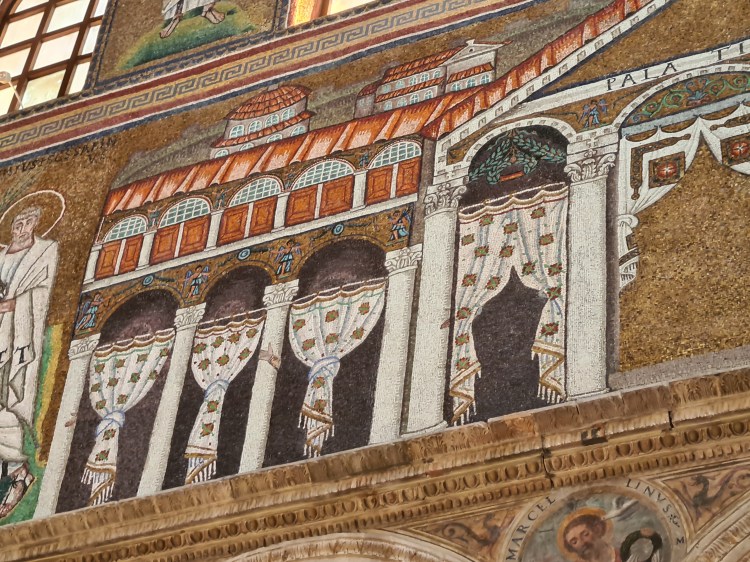
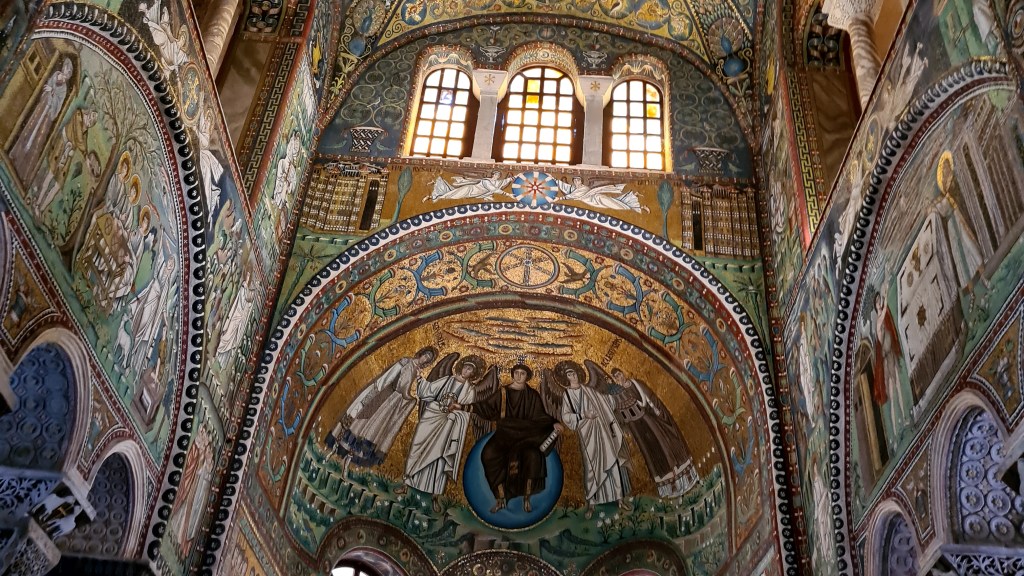
Justinianus is a fascinating figure, both on a historical level and as a personality, in my opinion, and this page is short of describing all his escapades. He was the emperor who tried to take it all back (after the fall of the Western Empire, as mentioned), and if the first plague had not broken out during his term, there is a good chance that he would have succeeded. I can say but I was definitely excited to visit the Basilica of San Vitalos and see the portraits of him and his wife Empress Theodora, an equally colorful figure (she is most likely the only Empress who started her career as an escort). In general, this is a unique and indescribably beautiful church, which is exclusively decorated, from floor to ceiling, with magnificent mosaics (including the aforementioned portraits). I have never really connected with mosaics; it always seemed a very stubborn and slightly masochistic way to produce decorations at a much lower resolution from what you can achieve with paint and a brush. But there are mosaics, and there is San Viatlos.
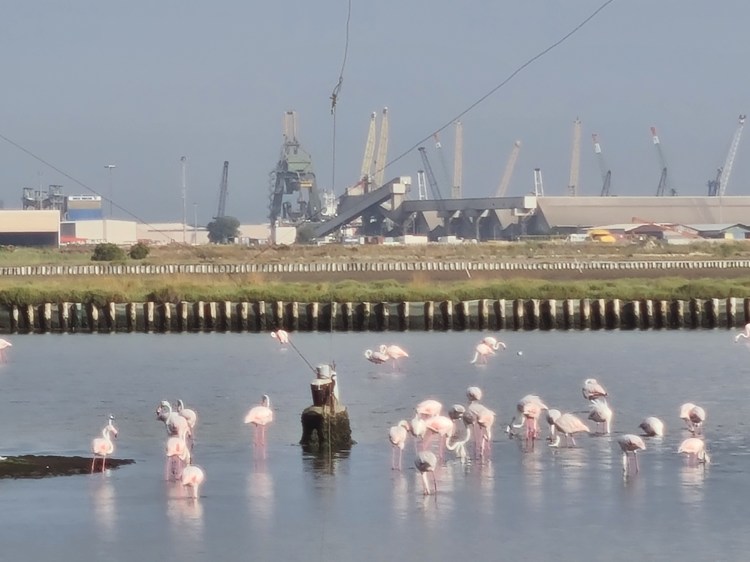
During the Middle Ages, Ravenna declined from its greatness, and became a remote peripheral city for several centuries. However, in the 1950s, a small miracle happened to her when large gas deposits were discovered in her area, and it experienced a revival of sorts, becoming a significant economic center. I asked a geologist friend, and these gas deposits are too deep to be related to the "modern" swamps of Ravenna, but perhaps these are much older swamps that created these accumulations. It would be nice to think that the city that marshes raised to greatness in the first place was also brought back to life by marshes.
Sud tyrol
Intoxication in the Dolomites
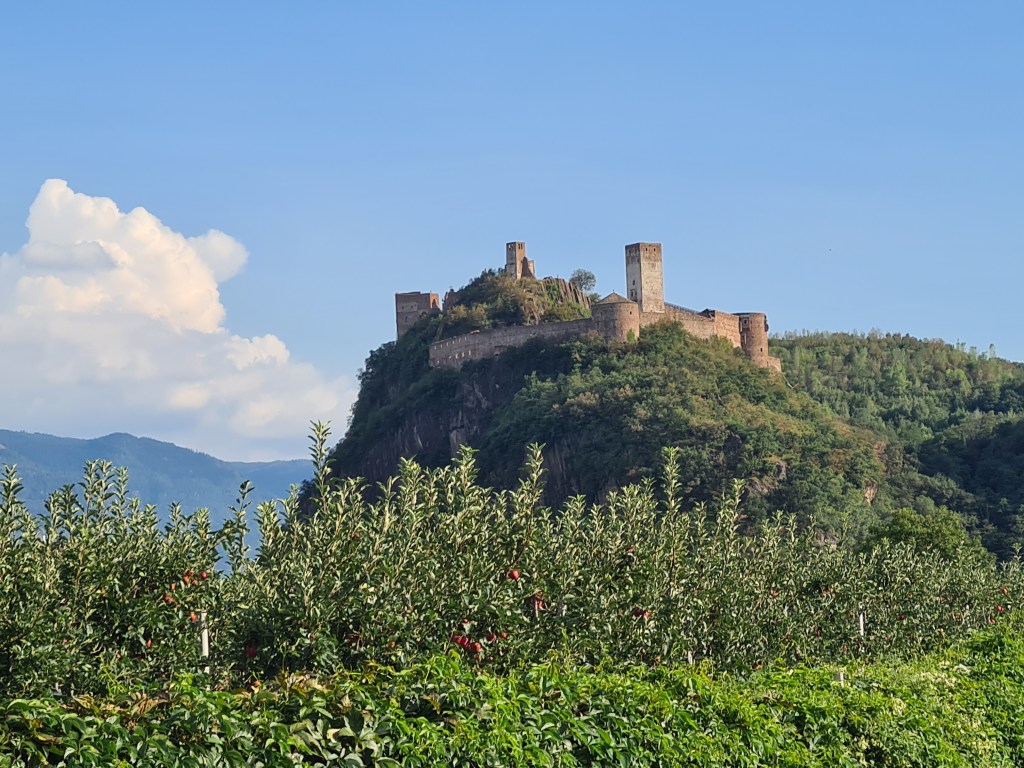
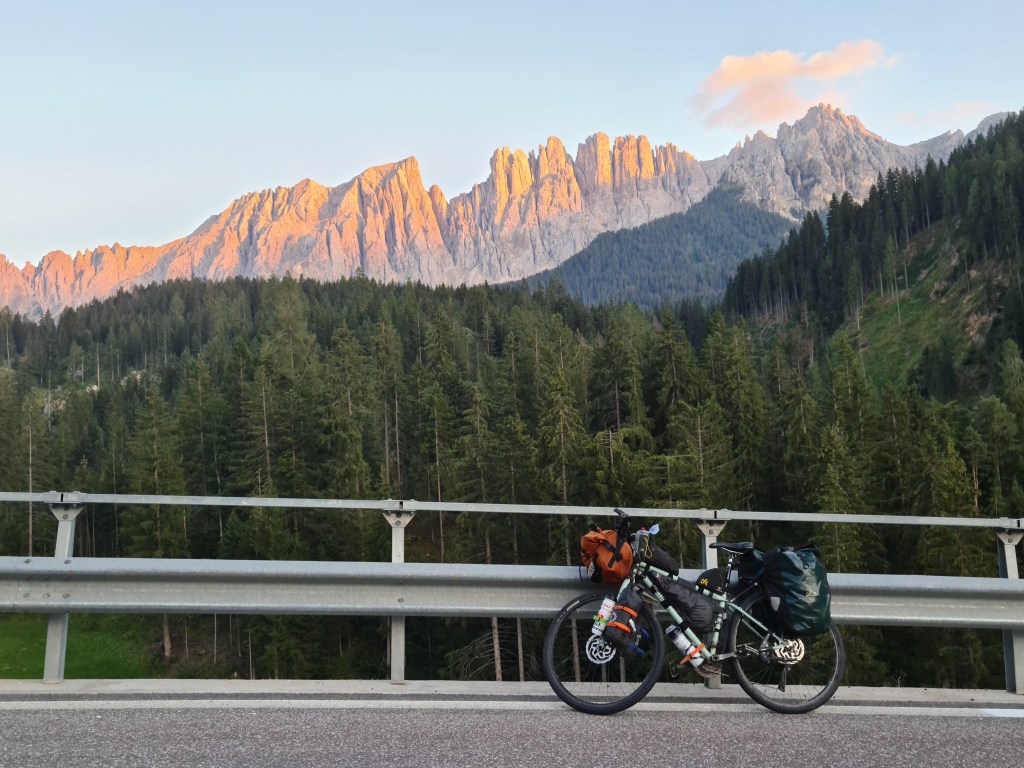
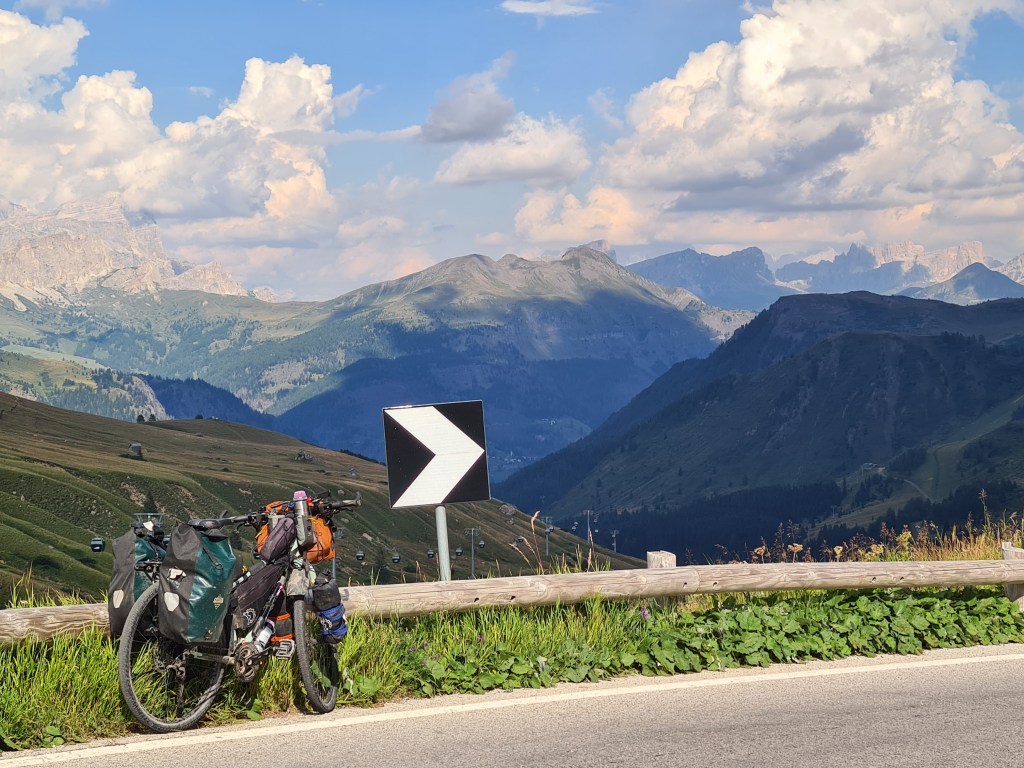
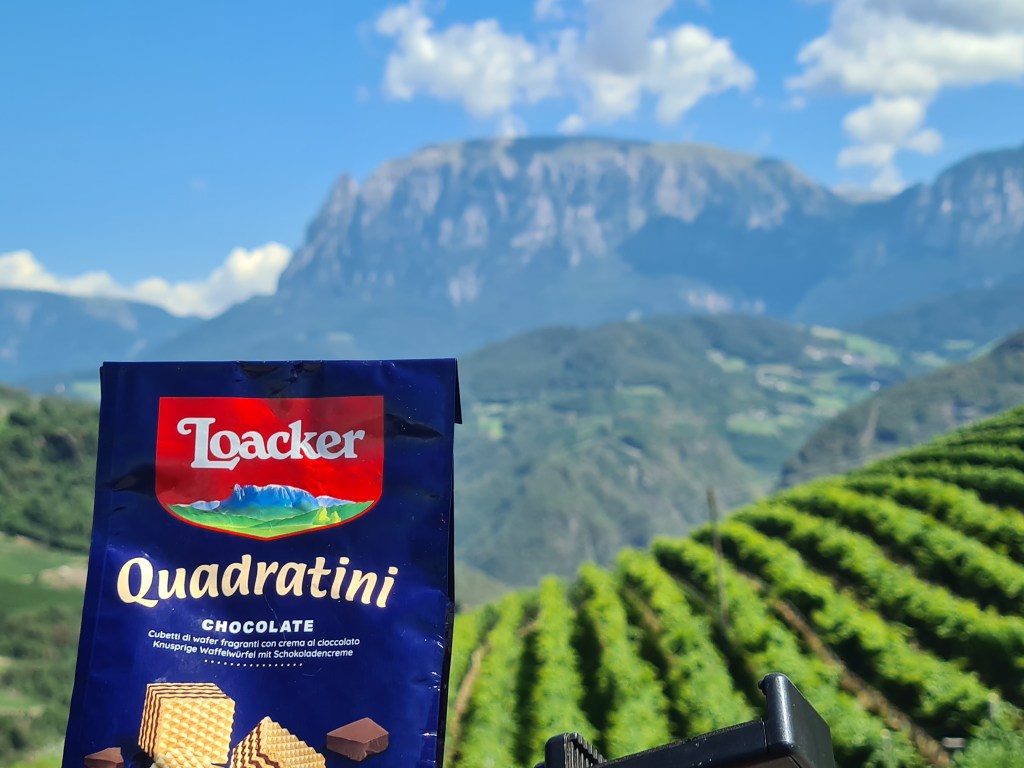
And the second place is the place that will forever have a warm place in my heart, and is South Tyrol and the wonderful mountain range, the Dolomites.
First, let's talk about the Dolomites. I was in the Dolomites for the first time in my life at the summer of 2010, when I went hiking with a friend in the Austrian Alps, and then she suggested that we take a trip into the Dolomites, and I went with it. I managed to hike there for half a day, before my knee gave out, but it was still an unusually spectacular half day. So unlike Montenegro, where nature had the element of Suprise over me, and it definitely amazed me, I came to the Dolomites already with high expectations, and for a change, the reality exceeded them. Here are some pictures to whet your appetite.
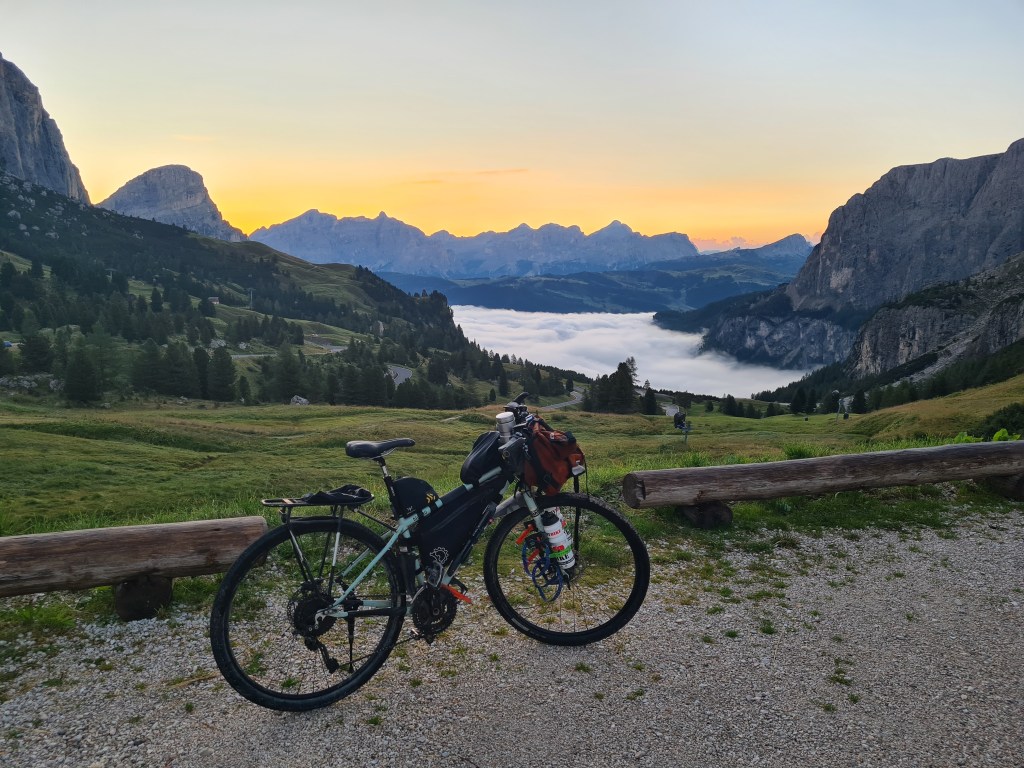
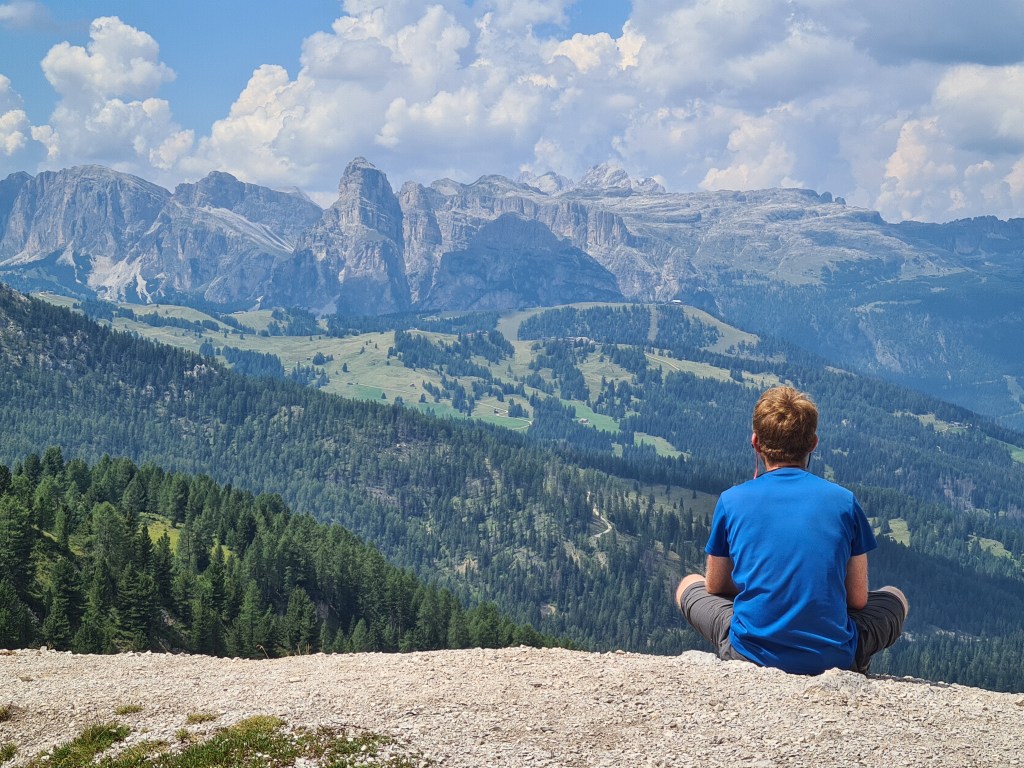
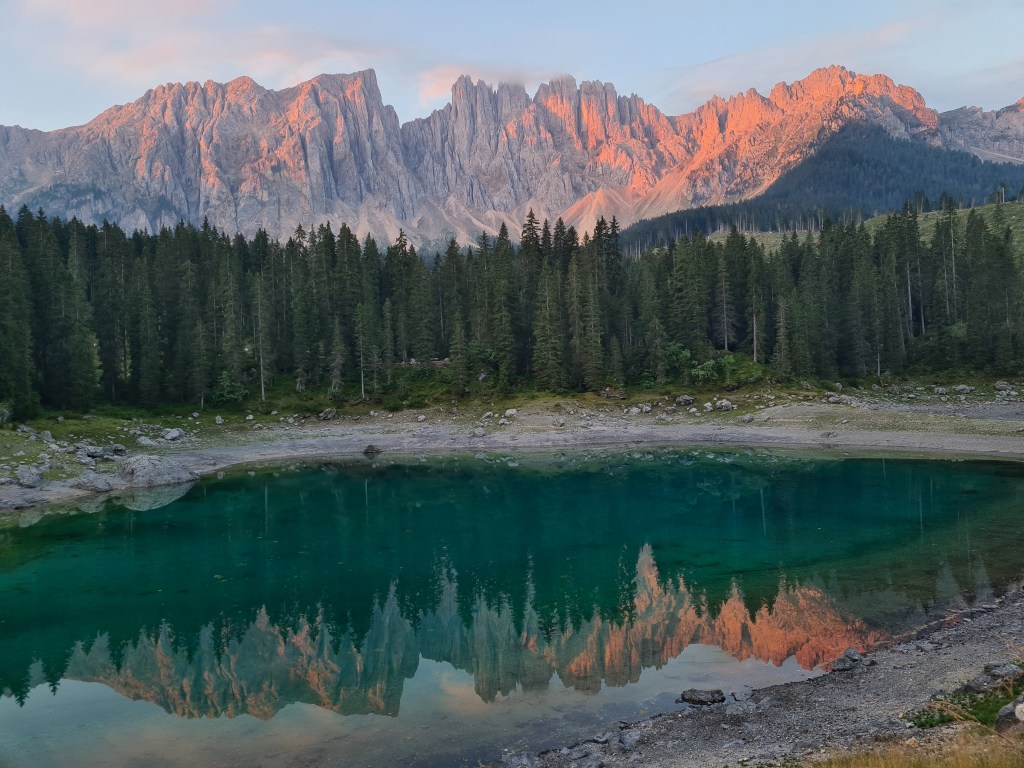
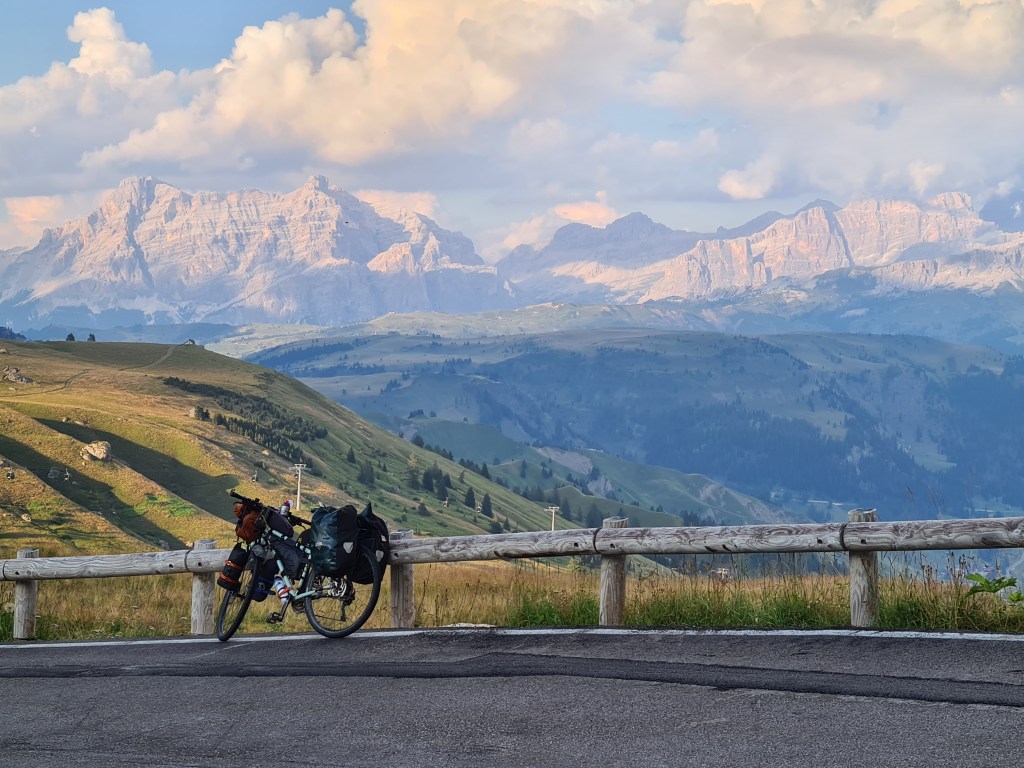
My favorite fact about the dolomites is that they are not just huge blocks of rock, but coral reefs that have constantly grow up towards the surface of the water, to get some sunlight, while the ground beneath them has sunk under their own weight. so that the dolomites are actually coral walls that have grown layer by layer, at a rate of about a millimeter per decade, into huge unfathomable stone walls (and then rose above water when Italy collided with Europe, i think). If you put your finger on this stone walls of hundreds of meters, then the length of your fingernail is about what this wall has grown over a time equivalent to your entire life span.
I spent 3 and a half days of intoxication there, racing from pass to pass and amazed by the beauty every time. I spent the last ascent in pouring rain but in an uplifted mood, stopping to see a real alpine flood (yes, it doesn't look different from a flood in the Judean Mountains, but it's in the Alps!). And the next morning I got in return the most beautiful sunrise I've ever seen in my life. Also, I got one of the worst food poisoning I've ever had there, but luckily, I had great hosts in Bolzano who helped me recover, and if you need to recover from a food poisoning, you can do worse than Bolzano.
alto vs sud
But here is the place where I may need to be precise. Because first of all, I didn't stay in Bolzano really, I was in Eppan, a small village above Bolzano. And "Bolzano" is not the original name of the place either. The locals, or at least the ones I stayed with, call it Bozen (which sounds like Posten to me). And this is one of the things that accompanies you throughout the area – every village you come to has two names (Eppan is also apparently called Appiano). And all the signs on the street are written in Italian and German. Why German in Italy? What's going on here? Well, welcome to South Tyrol! Or maybe to Alto Adige?
I started getting to know the story of South Tyrol through Anna, the girl I rode with in Bosnia and grew up there, and then I continued to delve deeper into it as I got there, and it's a fascinating story to me. If we skip ancient history for a moment, South Tyrol was part of the Austrian Empire when the First World War broke out. The Italians, in a very Italian way on their part, declared war on their nominal allies, Austria and Germany (the British and French promised them South Tyrol in return), proceeded to lose said war, *yet* still got the territory they wanted, because they were, in the overall picture, on the winning side. and just to make it clear, it was a very clear-cut loss. The campaign on the Soca Valley, which was a terrible and difficult campaign for both sides, ended with the coalition of The Austro-Germans sitting on the Piava River, 150 kilometers inside Italy, and the Italian army basically in shambles. By the way, this is not very different from what happened in World War II, in which the Italians lost to *all sides* of the war, and still kept South Tyrol, and even received territories that were supposed to go to Yugoslavia (who was on the allied side from the start), because by the end of the war communists scared the west more than fascists. And we poke fun at the French army…
In any case, the population of South Tyrol, after many years of Austrian rule, suddenly found itself under Italian rule. There is a point here that is important to clarify – these are not "Germans", but a *German speaking* people (or more precisely, speaking an Austrian-Bavarian dialect). The South Tyrolians really do not perceive themselves as Germans, and nowadays not as Austrians either, but as South Tyrolians. From my experience, some of them will actually get quite upset if you call them Germans 🙂 (although it turns out there are a lot of Bayern Munich fans there). There is another small minority (about 5%) that speaks Ladin (not Ladino), which is a Rhaeto-Romance language, but we're not going to get into that, okay?
The first years after the annexation were relatively peaceful in South Tyrol – the taxes went to Rome instead of Vienna, but there was no significant interference in the lives of the citizens there. But that changed with the rise of the Fascists to power, and the Italian nationalist mentality they brought with them. When Mussolini came to power, the Italian government began to actively try to crush the German identity of South Tyrol. In 1923, led by an Italian fascist named Ettore Tollomi, they issued a series of decrees that banned the use of the word "Tyrol", closed all German language newspapers and changed the names of all local German villages and towns to Italian names. And thus, Posen became Bolzano, Meran to Merano, Eppan to Appiano and so forth (a joke I heard in Ecotopia – the fastest way to identify a native Italian speaker is to ask them to say a word with a hard consonant at the end, and hear them fail). Since language is something that really needs to be uprooted from the, eh, root, they banned the study of German in schools and fired all German-speaking teachers. In order to preserve the German identity, the German-speaking South Tyroleans operated underground the catacomb schools, secret schools that operated in farms and basements where children learned the German language to keep it alive. the Italian government established in Bolzano itself a significant industrial area that was supposed to attract many Italian workers from the south, aiming to Italianize the region (and i heard that some people were just forced to move there from the south of Italy)
In contrast to what happened in the Sudetenland, where the German minority over there was used as a fig leaf for the annexation of that land into Germany, in South Tyrol the rise of the Nazis to power in Germany resulted in a very traumatic event for the south Tyrolians, that is still not much talked about over there, for obvious reasons. As mentioned, Mussolini was very eager to annex South Tyrol, and when Italy and Germany became allies, one of the things he managed to get in the agreements between them was the recognition that one South Tyrol would become an Italian region for all intents and purposes. As a result, he and Hitler came to the South Tyrol Option Agreement, wherein the inhabitants of the region were given two options – they could stay in South Tyrol and completely renounce their German identity (and fully accept Italian identity) or alternatively leave South Tyrol and resettle in the territories of under German control, such as Poland. The South Tyrolean population was deeply divided about this, and families were torn apart, with some choosing to stay and but most choosing to leave (85% precent, by one account). However, due to the outbreak of the war, this agreement was only partially carried out, so most of those who chose to leave never actually left. Of those who actually left were resettled in German-annexed Western Poland, where they were expelled or killed after the World War II, and most of them who survived the war returned to South Tyrol afterwards, though not all.
During the Second World War, after Italy switched sides, Germany captured South Tyrol from it, but in the agreements at the end of the war, the territory was returned to Italy. The Allies did demand that Italy give the German-speaking population a certain degree of autonomy and self-government, and that is indeed what happened, but Italy pulled a trick – it included in this autonomous province two regions- South Tyrol and Trento/Tarantino, the region south of it, where of course there were almost only Italians. Italian and German became the official languages of the province, and the teaching of German was allowed again, but Italian speakers were still the majority in the new province, Tarantino-Altoadiga. In this way, they hoped to anchor South Tyrol to Italy and prevent it from becoming a separatist province. It should be noted that another explanation I saw is that the Italian Prime Minister at the time, De Gaspari, was born in Tarantino, and since one of the main outcomes of this autonomy is that most of the taxes stay within the province itself and do not go to Rome, he wanted to help out his native province.
If this is the explanation for including them together, then it worked great, but if the plan was to prevent South Tyrol from developing separatist tendencies – that didn't go as well.
In the 1950s and 1960s, the forced marriage to Tarantino along with the arrival of many Italian immigrants from the south caused enough unrest to create a separatist movement called BAS (Committee for the Liberation of South Tyrol or something like that). In the first stage, they carried out acts of sabotage against Italian symbols of government, with the most famous act being attempts to blow up the power lines from the hydroelectric dams in the area (with all the rivers and mountains in the area, South Tyrol is a significant producer of hydroelectricity), on a night called the night of fire . Beyond the action against the symbols of the government, the goal was also to cut off the electricity from the large industrial area in Bolzano, the one that brought all the immigrants from the south to it. Definitely a power struggle in a very literal way. In the second phase, the violence escalated, and they directly attacked Italian police forces, and around 26 people were killed in their actions.
Between the acts of terrorism and political pressure from Austria, for which South Tyrol remains a point of contention between it and Italy, in the 1970s Italy decided to carry out a number of reforms which actually emptied the autonomous province of Tarantino-Altoadiga from any significance. Very few functions, such as welfare matters, remained at the provincial level, and much more authority (education, policing, taxes) went to the regions of Trento and South Tyrol separately. Which created an amusing situation in Trentino, that while the original reason for their autonomy is no longer relevant, they still enjoy it. When I asked my hosts in Trento (the regional capital of Trentino) how the rest of Italy view them, he said that the rest of Italy probably thinks they are too rich, because as mentioned, most of the taxes stay there. As i said, if this was De Gaspari's plan, it worked perfectly.
And that is nothing compared to South Tyrol itself. After the compromises of the 1970s, and especially after the accession of Austria to the Schengen area in the 1990s and the border between Italy and Austria becoming rather meaningless, the tensions somewhat subsided. And in the decades since then, between agriculture, heavy industry and above all the growth of a thriving tourism industry, South Tyrol has become the richest province in Italy. Although they remit only 10% of their taxes, they still give more to the treasury in Rome than they get back. The South Tyrolians jealously preserve their agriculture and support it massively through subsidies, as part of the preservation of the traditional culture and landscape, but I have heard a claim that it is also so that no German-speaking village in the mountains will be abandoned and God forbid they build holiday homes for Italians or something like that (which still happens a lot). Either way, the result of these subsidies is that you ride in the valleys and see, hundreds of meters above you, vineyards and fields at heights and slopes that just don't seem reasonable and logical in any way.
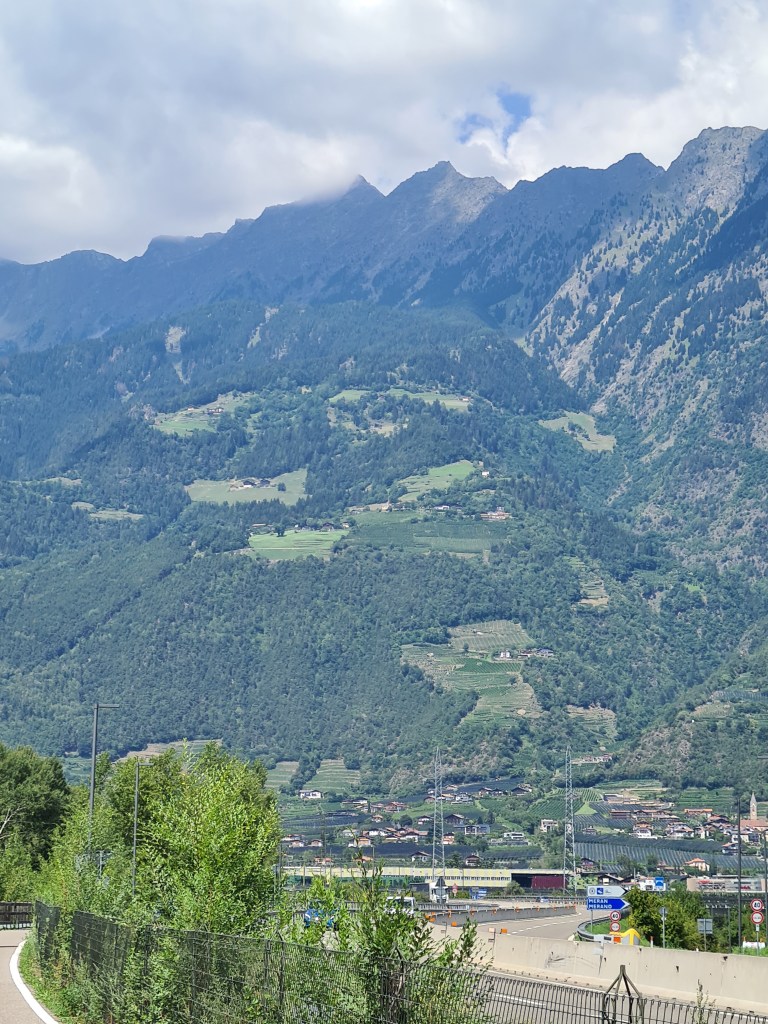
Today South Tyrol is largely in a state of post-drama. There are always people, and especially politicians, who will continue to talk about independence or annexation to Austria, but there doesn't seem to be any special tension between German speakers and Italian speakers in South Tyrol today (although they don't necessarily really mix either), and everyone makes too much money to rock the boat. I felt unsure what to say when I walked into a random store in Bolzano, whether to say Guten Tag or Buongiorno, but no one shot me any dirty glances (or just shot me) if i got it wrong (in Bolzano and Merano it's probably better to say Buongiorno, but everywhere else go for Guten Tag. or just go with "Hi!").
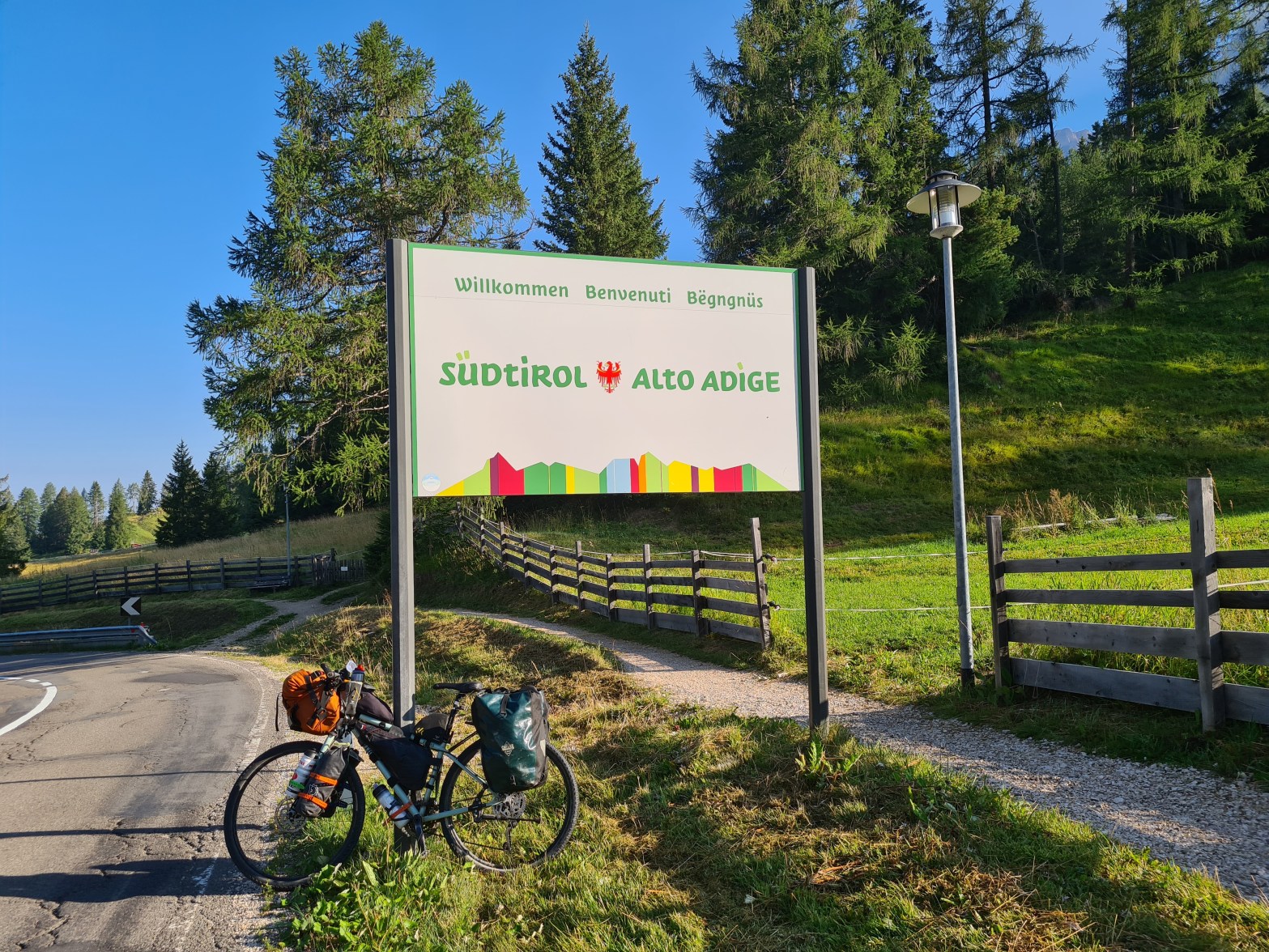
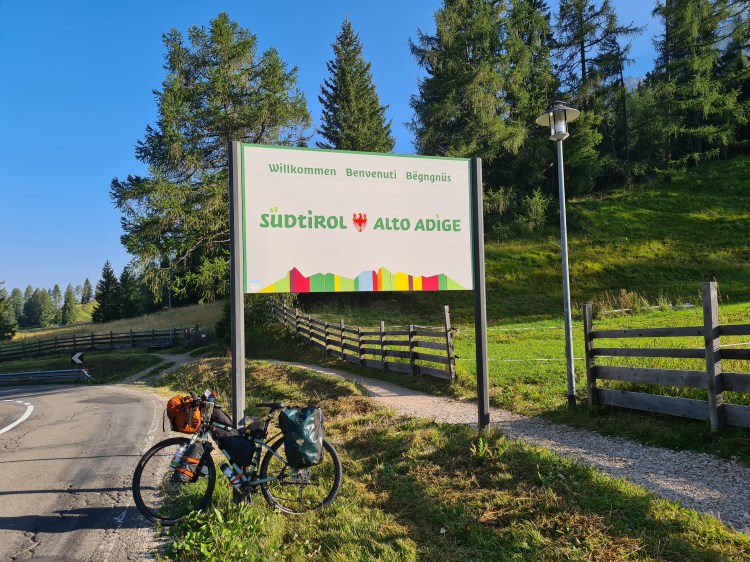
When I was riding in the Dolomites, I left and re-entered the area of South Tyrol several times, and each time there were signs greeting me on my way in and out sud tyrol/alto adige (i.e. upper adige. the Adige is the river that flows south into Italy, through Verona, into the Adriatic Sea). And every time I saw them, I smiled a little, because in the two names of the province were actually its two opposing narratives about it – one that sees this place as South Tyrol, part of the larger region of Austrian Tyrol, and one that sees it as the upper part of the Adige River, an integral part of Italy. Names, my friends, tell us a lot.
Next post?
My time here in Cambridge is getting shorter, but if I have time before the flight, I think I'll do a quick tour of my favorite part of Western Europe, the Benelux, and share some thoughts about the European Union. we'll see.
 יצאתי לשאוף קצת רוח
תגובה אחת על “08 – Italy”