Summary of the previous and next chapters
Okay, so this post is going to include very little cycling and bike talk, because it's going to be mostly about the wonderful entity that is the country of Macedonia and especially its capital, Skopje, but I do feel obligated to do a quick recap of where I've been and what I've been up to since the last post.
So from Bulgaria I crossed into Macedonia, rode for two very nice days along dirt roads or side roads almost the whole way (I hope to talk a little about how I get to those side roads later) to Skopje, where I spent 4 very interesting days, which I will talk about in *much* detail further down the post. From there, after a significant change of plans, I went north to Kosovo (instead of west to Albania).
Kosovo was mostly cloudy and/or rainy, but the people were incredibly nice, I think they even surpassed the Turks (I barely crossed the border and sat down to lunch when someone paid for my meal). At a glance, Kosovo seemed more flourishing and full of life in the rural areas than Macedonia or Bulgaria – I don't remember seeing any abandoned houses, mainly a lot of new construction. I've done a lot of border crossings in the last week, so sometimes it felt like everything is blurring back to some de facto Yugoslavia, and Kosovo is very peaceful this days, but what did clearly indicate that we are no longer in Macedonia or Bulgaria was that the statues in the town centers did not show some king from the 11th century but warriors who fell in the struggle for their independence, in the late 90s.
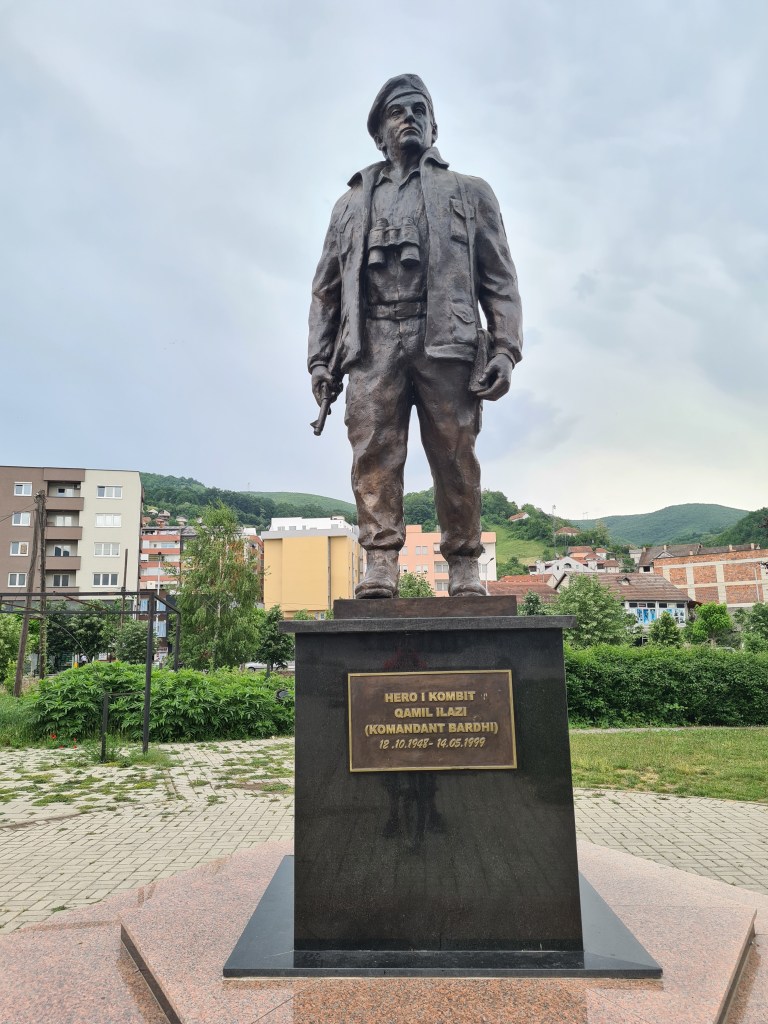
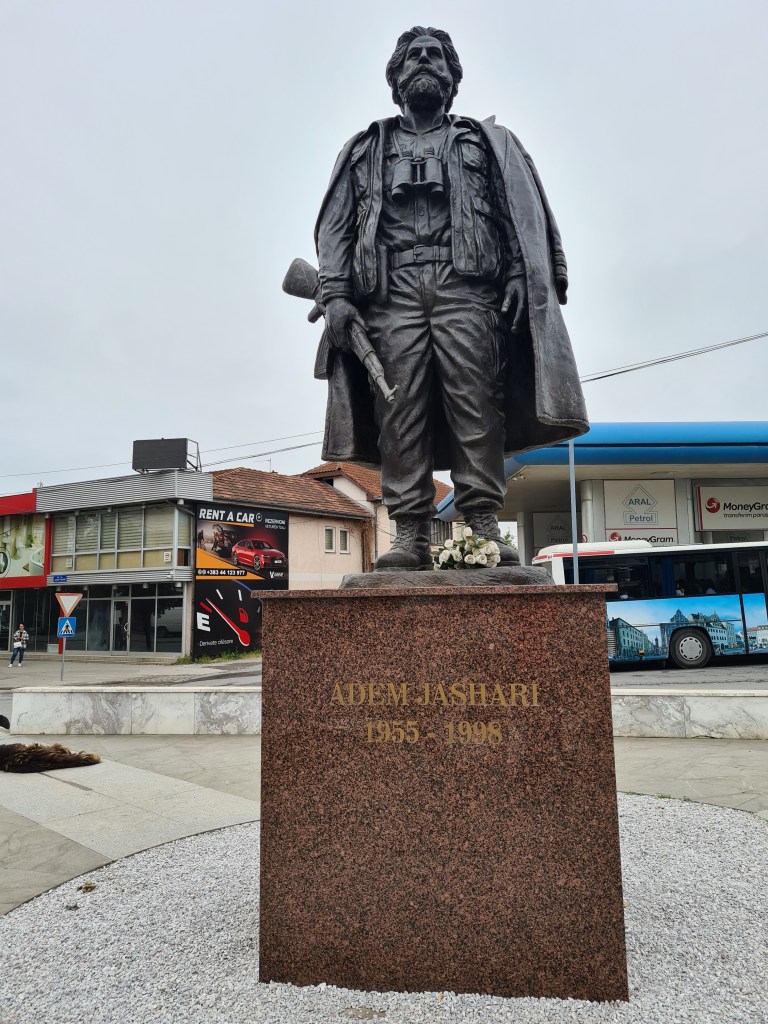
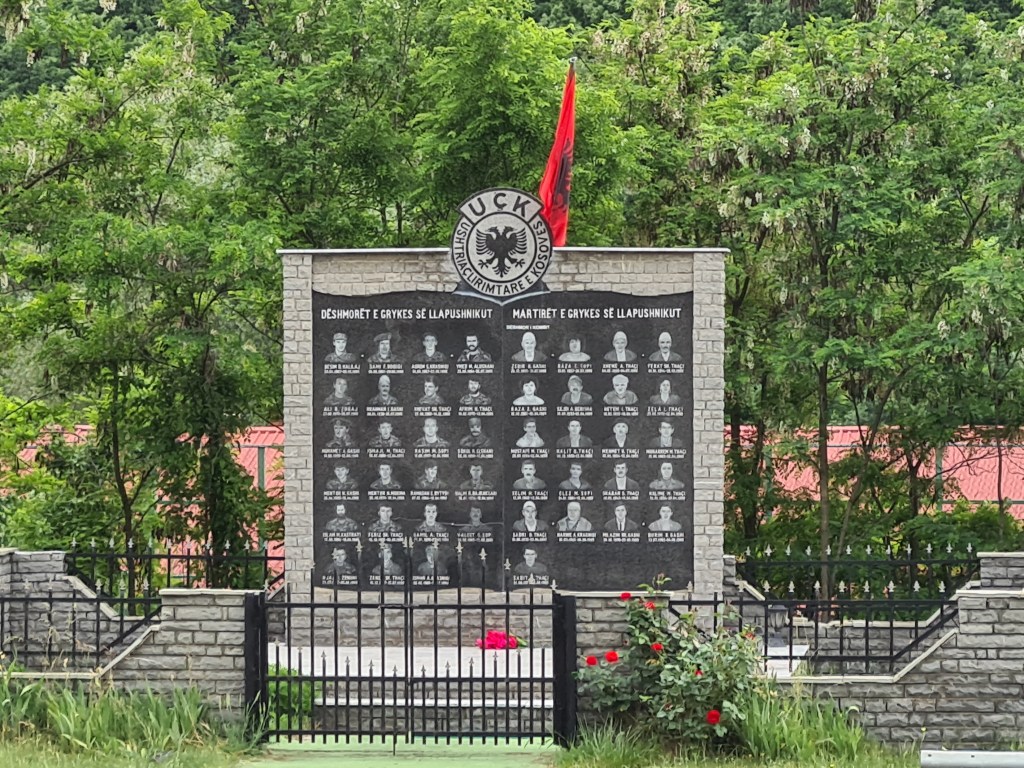
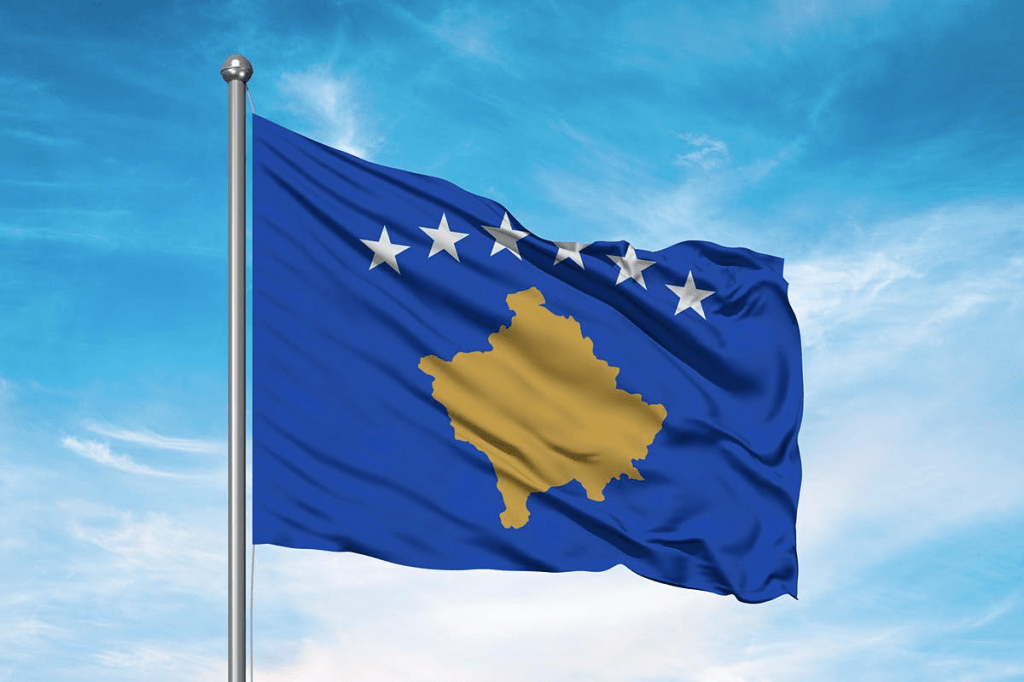
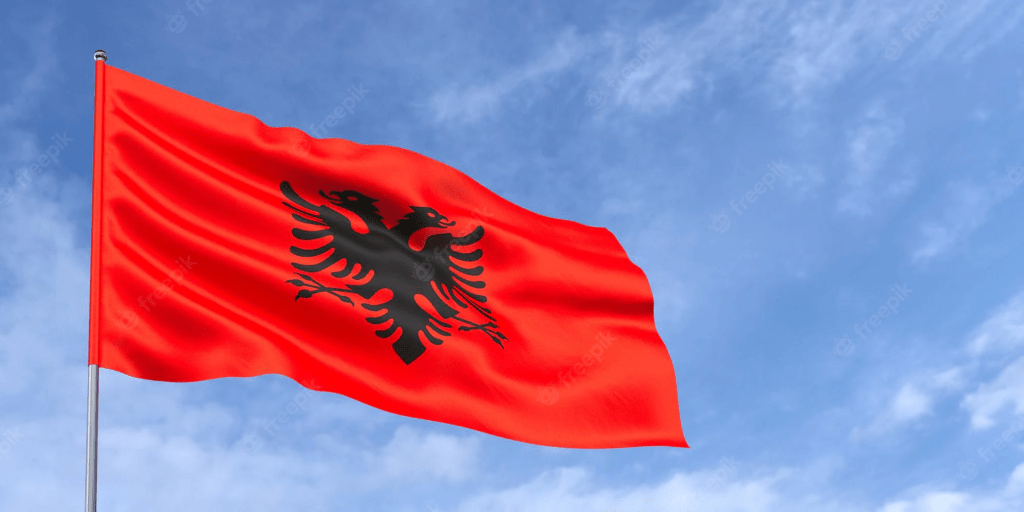
By the way, for those who don't know, Kosovo is a de facto republic since 2014, with its own flag and all (although not officially recognized), but interestingly, it's not the flag you'll see flying anywhere except, say, border crossings or official buildings. The flag that people will hang outside the house is the Albanian flag, because they are Albanians, and this is the flag that symbolizes their identity, for which they fought. the "official" flag is a newcomer, to which they are not very attached yet.
There is actually some talk about unification of Kosovo and Albania, but… it's complicated. It is obvious that the Serbs are not enthusiastic about the idea, to understate it some (i.e. they will go to war if it happens), and accordingly, the European Union and the USA do not want anything that will rock the boat. Albania, for her part, is more interested in getting into the EU than getting into trouble. The public in both countries overwhelmingly support unification (or as they call it – reunification), but support drops does significantly if it means raising the tax rates to finance the process, because people are people everywhere. And yet, a symbol is still a symbol, and the black double-headed eagle on the red background flutters everywhere in sight.
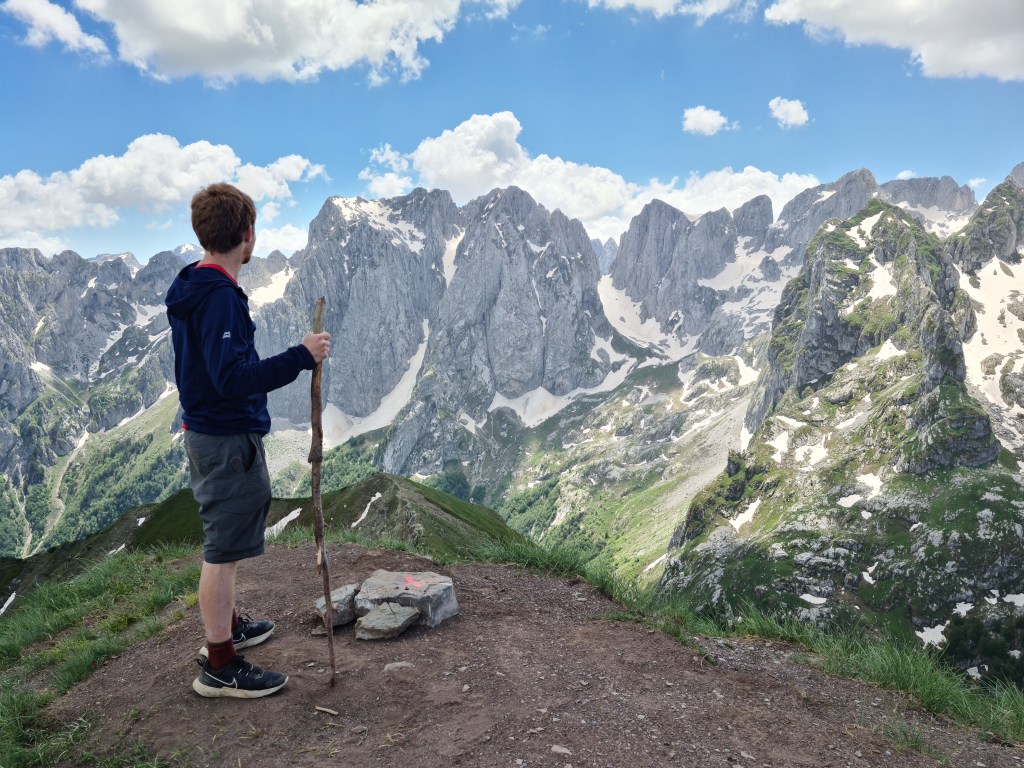
Anyway, from Kosovo I climbed (really really climbed) to Montenegro, where the mountains are stunning and the drivers are horrible. The Montenegrins are really great people as well, but no doubt they get the award of "worst drivers of the Balkans", at least until I get to Bosnia (the Bulgarians were the most reasonable so far, always overtaking with a wide berth). But the views, my friends, the views are breath-taking. Which is a must when the name of your country literally means "the Black Mountain". Admittedly, the most beautiful view so far was the day I passed through Albania and went on a half-day hiking trip (yes! I still remember how to walk!), which overlooked a stunning view, but I think the view itself was again in Montenegro. From there I went down to Podgorica, the capital of Montenegro, and tomorrow I set out again for Kotor, and then north and east to Sarajevo, to assassinate the archduke or to drink some coffee, whichever comes first.
Who got Gotse Delchev?
Into the conflict that is the Macedonian identity I landed quite physically in my first hour in Macedonia, when I glided from the border downwards to a small town called Delcevo. And I'm like, wait… that name sounds familiar…
Indeed, the town in Bulgaria where I ended my adventure in Rodophe mountains was also called Delchev, or rather Gocha Delchev, and in Sofia I also rode along Gocha Delchev Avenue quite a few times (and even Here in Montenegro there is a street, a remnant from the Yugoslavian period, named after him).
So who was Gotse Delchev? oh! that's a good and very loaded question, it turns out. The hard facts are that he was a teacher and freedom fighter/terrorist (you know, point of view and that) in the fight against Ottoman rule, who died in a shootout against Turkish soldiers in the end. In a way, he reminds me the most of our Trumpeldor. Now, the difference is that unlike Trumpeldor, the big and complicated question is who he was fighting for – Bulgarian or Macedonian independence. He lived in what the Macedonians call the Macedonian Pirin (as the Wikipedia entry on the town of Delchevo states very clearly), an area most of us know today as southwestern Bulgaria, and he was also a member of the Constituent Assembly of Bulgaria. The Macedonians claim he considered himself Macedonian, the Bulgarians claim he was Bulgarian, and as Robert Kaplan wrote in "Balkan Ghosts", the only way to decide that is to try to enter the mind of a man who died 150 years ago.
The part that interested me is why he became such an important symbol, because historically, he doesn't seem to have had much of an impact on the struggle for independence. A Macedonian I asked about it told me – he died young, beautiful, and didn't do anything that annoyed anyone. so now he's a martyr, and every side us trying to claim him as their own.
I'm a big fan of reading controversial Wikipedia entries, and his Wikipedia entry is one of the funniest I've read in a while. It was clearly written by Bulgarian writers and includes the following great paragraph:

The edit wars on the talk page are long and entertaining, but hey, this is the Balkans, and edit wars are better than actual wars.
The warrior on the horse
But beyond being a national symbol, in my personal experience, it also symbolizes one of the most significant things about the Macedonian identity, which is their constant need to prove its existence as a real and separate identity. Bulgarians, for example, claim that the Macedonian language is a dialect of Bulgarian. The little Bulgarian I learned along the way did continue to serve me well in Macedonia, but I guess for the people I was talking to, I just went from speaking horrible Bulgarian to speaking terrible Macedonian, so that's not much of an indication.
The Bulgarians and the Macedonians disagree about Gotse Delchev, the Macedonian language and of course the Macedonian Pirin, but overall, the relations between the countries are reasonable. Where it gets a little more…tense… is in relations with Greece, where identity discussions also have consequences in reality.
The debate here is long and complex, and I won't go into all the details (you are welcome to see the guy from "GEOGRAPHY NOW" play out that argument on the video below, it's quite funny), but the bottom line is that the Macedonians see themselves as descendants of the Macedonian nation from the time of Alexander the Great who mixed with Slavic tribes that came from the north, while the Greeks, well they see it as complete BS, and that the Macedonians are simply Slavs who try to pull some cultural appropriation on Greek heritage. Beyond the issue of national pride, there is also a Greek concern that a declared Macedonian identity will also lead to a demand for the annexation of Greek Macedonia, what we know today as Northern Greece (historically, the region of Macedonia was really big). I don't know how realistic this fear is, but this is the Balkans, and things have happened before. Macedonia, for its part, needs to balance its national pride with its strong desire to enter NATO and especially the European Union, where Greece, who is already a member, has a significant ability to block it.
Anyway, that's why when Macedonia seceded from Yugoslavia (the only country that did it without a fight, more or less by handing over its entire army to Serbia unconditionally. A pretty smart move overall) it was called FYROM, which is short for Former Yeguslavic Republic Of Macedonia, so as not to piss off the Greeks by simply calling it Macedonia, which is how everyone actually calls it except Greece. Today it was agreed that it would be shortened to North Macedonia, but again, friends call her Maci.
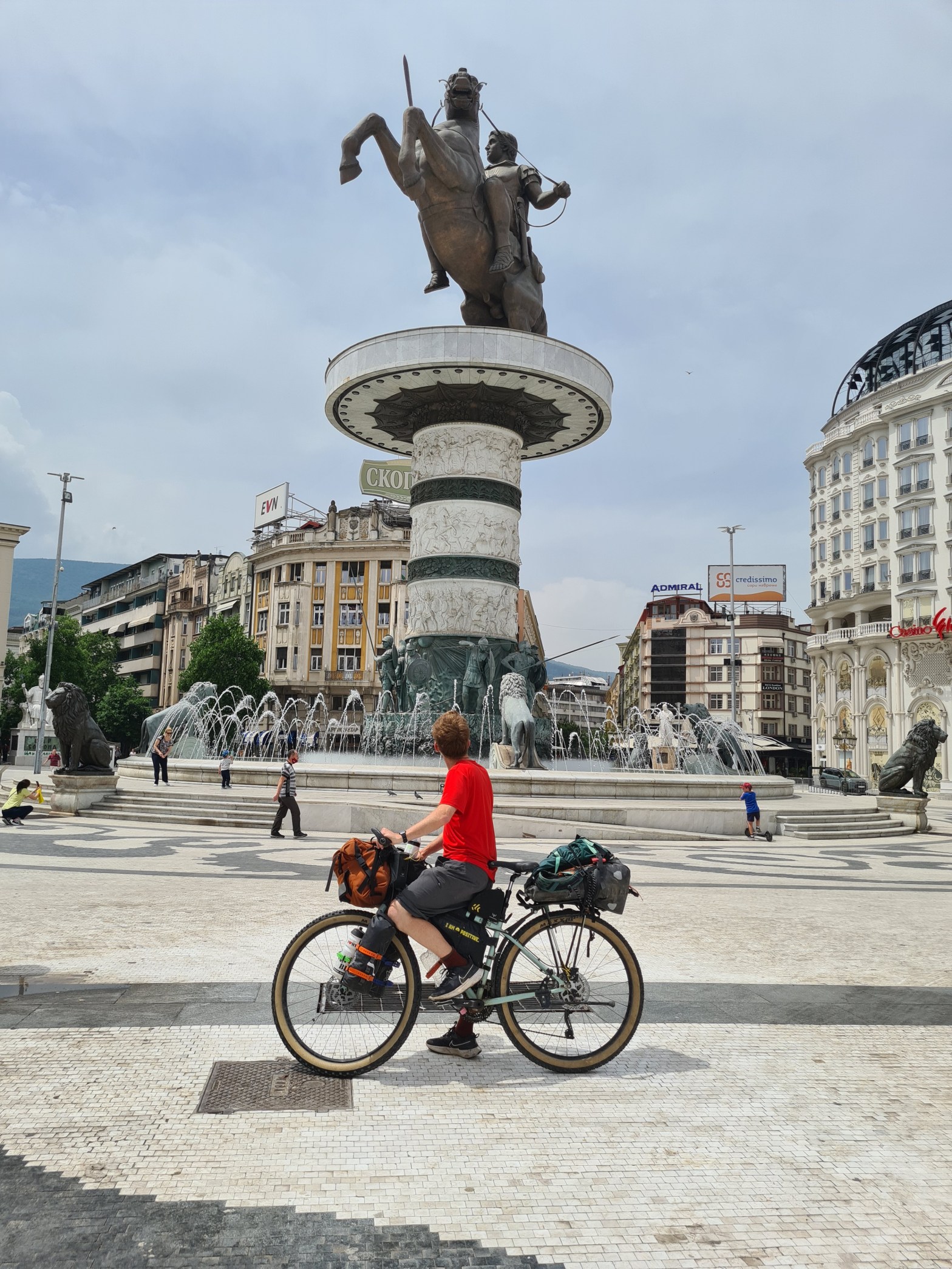
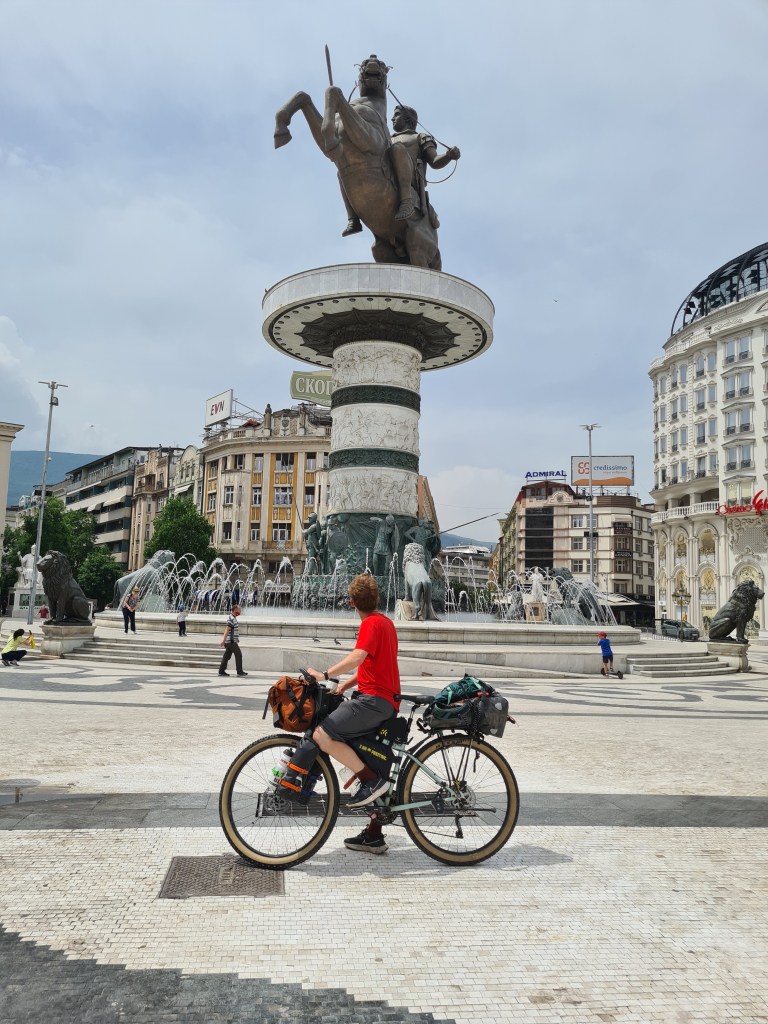
The relationship between Greece and Macedonia has seen ups and downs, with governments sometimes more being nationalistic sometimes more pragmatic, and there is no greater symbol of these complex relations (very literally, because it really is a huge thing) than the statue of the warrior on the horse. The Macedonian government decided, as part of the massive renovation they did in Skopje, of which i'll talk later, to place a huge statue of Alexander the Great in its main square, to clearly establish their heritage. It was of course a very big poke in the eye for Greece, which made enough fuss about it and threatened enough threats ("you'll never be part of the EU!") so that the Macedonian government backed down. somewhat. they didn't remove the statue, but the official name of the statue today is not "Alexander the Great" but instead it is called "warrior on the horse". nudge nudge wink wink.
The city of sculptures, in motion
As I mentioned in the previous post, this statue symbolizes Macedonia for me in more ways than one. Beyond the nationalistic symbolism, it is very Macedonian simply because it is a statue. And if there's one thing there's a lot of in Skopje, it's statues.
Lots and lots of statues.
Some of them are quite impressive, and some less so (someone has already made a serious gallery [ 1 , 2 ] of some of them, although it's only about a hundred, so it's not even a siginificant portion of them), but you can't throw a stone here without hearing "Glung!" because you hit In a random piece of bronze (except for the statues made of stone because at some point they ran out of bronze).
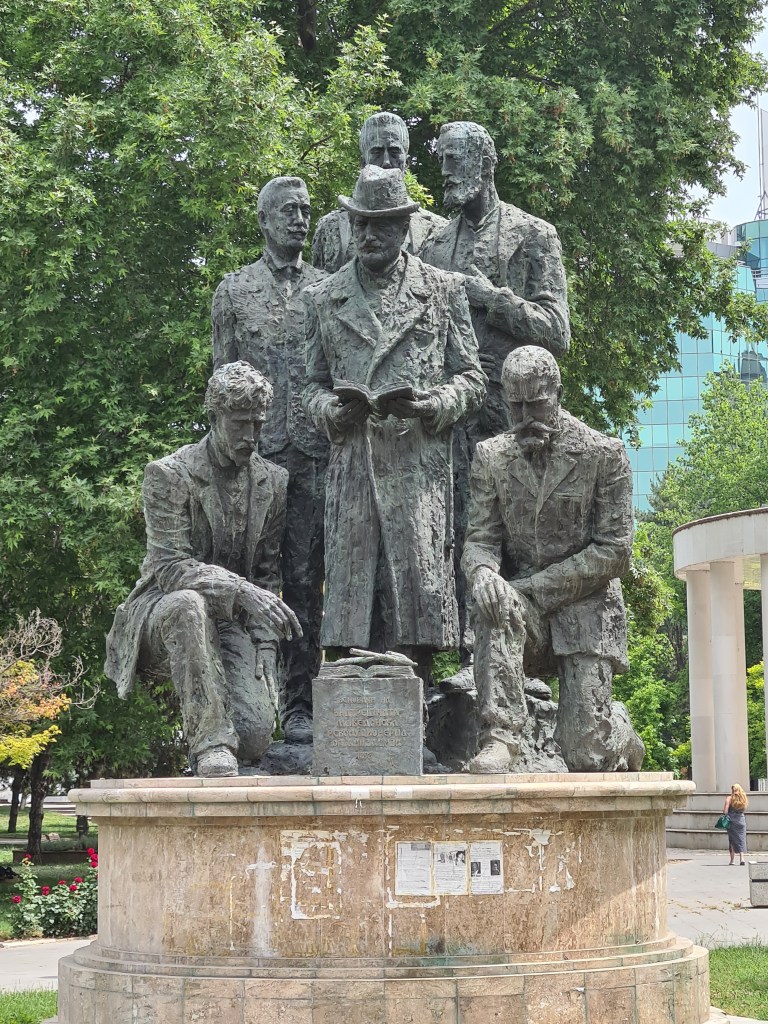
The immediate question that is you feel asking the moment you enter city center is – what the hell are all these statues doing here?
The answer, of course, depends on who you ask.
Officially, after the financial crisis of 2008, the Macedonian government decided on a massive renovation project for the center of Skopje, called the not-so-exciting name "Skopje 2014", during which they will turn it into a real tourist attraction. The city center was massively renovated (more on that later) and sculptures started popping up in every corner like mushrooms after the rain.
Why statues?
So, one claim I've seen is that it's just a good way to set Skopje apart. Dubai has the tallest tower in the world, Skopje has a lot of statues. It became known in certain circles as the City of Sculptures and this might be a good way to attract tourists, to see all the sculptures. I don't have the data from the Macedonian tourism office to judge if it worked, but what can I say, it's definitely an attraction, and makes wandering around the city center more interesting. It wouldn't hurt them if there were a little more information plaques on each statue, though.
Another claim I heard goes back to the previous discussion – this is a way to establish the Macedonian identity. There are statues of everyone throughout Macedonian history, from Alexander and his family, ancient kings, clerics, freedom fighters to artists, writers and poets from the modern era. However, Miha, the tour guide I took, who was very critical of the whole project, mockingly said that he is a proud Macedonian, but with all due respect, there aren't enough important people in Macedonian history for all the statues in the city. He joked that they put statues on top of buildings so people wouldn't notice that this statue was dedicated to the brother-in-law's neighbor's cousin of Alexander the great.
His argument for why there are so many statues is much more prosaic – corruption. When you build a building, the costs of the concrete and metal and labor are pretty much known, and it's hard to inflate them beyond a certain limit. But sculptures are *art*. And the price of art is, how to say, very variable. You can say that a certain sculpture costs 1000 euros, 10,000 euros or 100,000 euros, and it will all be reasonable. And when the prices inflate, more of the "difference" can remain in the pockets of the contractors, all of whom he claims are close to the government in one way or another. He claims that this is the same reason that there are 4 (!) bridges on the river that crosses the city center within a range of 500 meters, which even an advocate of walkability like me can agree that maybe this is a bit of an overkill.
This is not the only criticism of the project. Even if one dinar is not fraudulently pocketed, its cost, which is estimated between 80 and 500 million euros, is astronomical, especially when we are talking here about a country of 2 million people, in a dire economic situation, and even out of these 2 million, a large part is unemployed And another considerable part is only registered in Macedonia but actually drives a taxi in Leipzig (due to very lenient visa requirements for Macedonians in the Schengen area, Macedonia suffers from the same demographic problems as Bulgaria which result from easy access to the Union without the economic benefits that come with membership in the Union) . Macedonia has severe economic problems, and many people do not think this project was the best way to solve them, to say the least.
But an even more fundamental criticism again concerns matters of, of course, identity. The whole renovation gave the city center a very ornate neo-baroque look. Now, the main problem with that is the fact Baroque was never part of Skopje's heritage… at the time it was in vogue, Macedonia was deep under Ottoman rule. There is no doubt that there is an attempt to give the city a European look and feel, which at first glance actually works, until you are pointed out things like the fact that the columns of the archaeology museum are in Greek style but the pediment is in Roman style, and everything is just too kitschy. Probably the most symbolic part of this whole story is that they didn't have the money to cover the new baroque buildings with stone and marble, so all these buildings are coated with stereofoam, i.e. plastic . The irony jumped of one of skopje's many bridges.
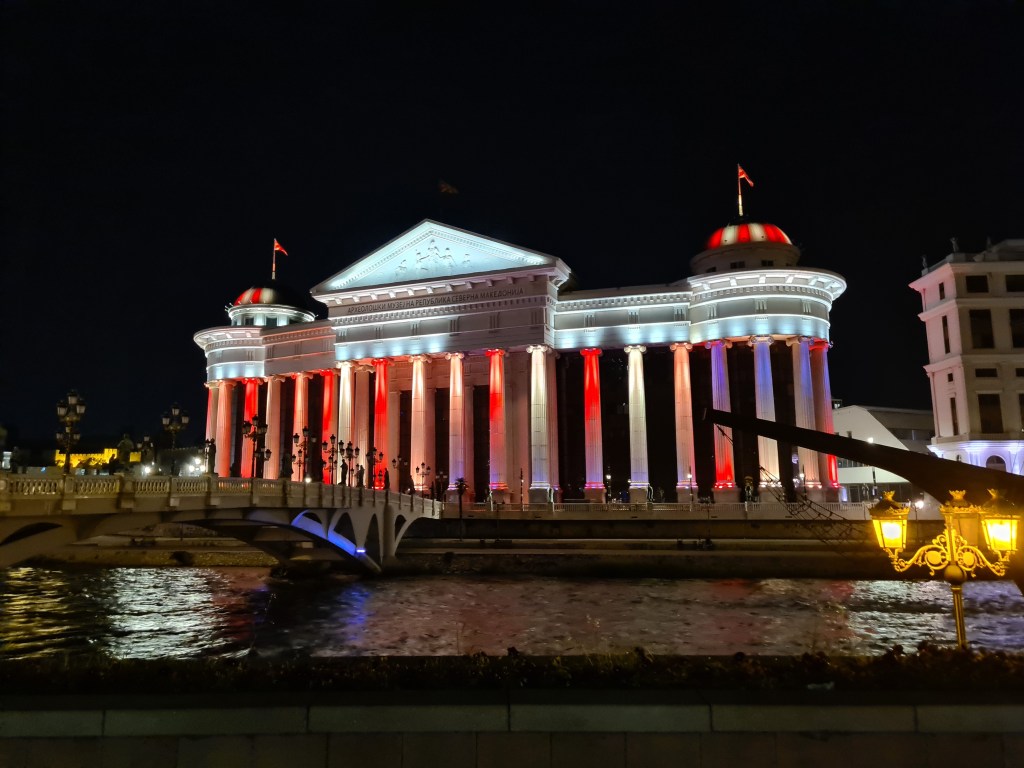
Part of what annoys the visitors is that Skopje has a clear architectural heritage – Brutalism. When the city was largely destroyed by an earthquake in the 1960s, a team of international architectural stars joined the relief teams, and began rebuilding the city in a brutalist style, leaving behind some of the most prominent monuments of this architectural movement. Now, as someone who has walked around Hebrew University campuses, and specifically Silverman building, I'm not a big fan of brutalism, and you won't see me shedding tears over concrete that has been spilled or covered over, but I can understand the critics' claims. There is something very artificial in the city center of Skopje* (the nicknames "Disneyland" and especially "Las Vegas" were heard several times). However, Skopje does not end in the city center. Across the river there is the bazaar from the Turkish era, which reminded me a lot of the old city of Jerusalem (for better or for worse), and to the west of the city center there are wonderful urban neighbourhoods, which are simply fun to walk around or sit down for a beer or coffee, which all the locals do frequently. And that's before I talk about the very impressive bike path network that stretches across large parts of the city (and I'll talk about it soon), which goes way beyond everything I've seen so far on the trip and back home, including Tel Aviv.
And the city center is all in all a fun and interesting place to walk around – count statues, eat ice cream, enjoy the zero cars on the streets, and in the end, also try to appreciate what the Macedonians are trying to create in this city. Many people have tried to define who the Macedonians are throughout history – Greeks, Bulgarians, Serbs, Yugoslavs and many others. I think now is their turn to do it.
side notes
*By the way, even the natural attraction closest to the city, Mataka Canyon, a beautiful lake inside a spectacular canyon, is also completely artificial, created due to a dam at the end of the canyon.
Bicycle activists' self-demise
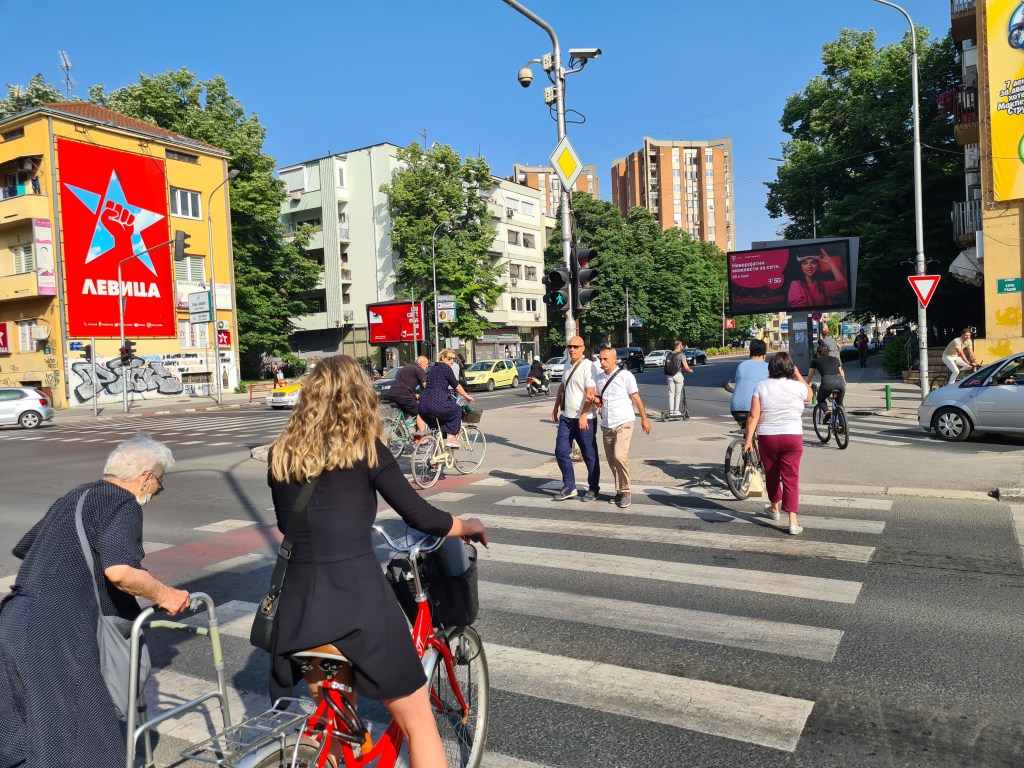
One of the things that I liked the most about Skopje was the impressive mileage of paths and bicycle lanes that I saw throughout the city, and the significant number of cyclists in the city. It's not the Netherlands, but you know there's a serious bike culture in the city when you see not only the FYMS (which is an acronym for Fearless Young Man) but also women in business casual riding on the way to work, and that's certainly not lacking.
Through Warmshowers, I got to sit down for a short lunch with one of the founders of Critical Mass in Skopje (which no longer exists, but that's another story). He gave me a short and interesting overview of the history of their movement, which clearly succeeded in bringing about a significant change in the city – it has many paths ( some are better and some are worse) and the largest number of riders I have seen since the beginning of the trip. But the most interesting part was when he told me something that surprised me – he actually prefers what was before they started. Bicycles used to be an esoteric thing, and yes, it was more dangerous, but those who were skilled could roam the city freely. Now everything is more "institutionalized", and people comment on him if he is on the road and not on the path (it doesn't seem to stop people from riding against the direction of the path, by the way). This is not the first time I see this dynamic, of die-hard bicycle people who see the paths as a problem (Google John Forrester). In the end, it's not that surprising. Bicycle activists in a city without infrastructure are people who manage without infrastructure and simply want to promote the "bicycle" issue. So in a way, you could say they are working to exterminate their own species. For me it's not like that, my perspective (today) is in the broader urban sense, and really the goal is to create the infrastructures that will bring as many people as possible to start riding, even if I personally don't need them (up to a certain limit, Ahem Elazar ha'Modai). Anyway, interesting.
honorable and dishonorable mention
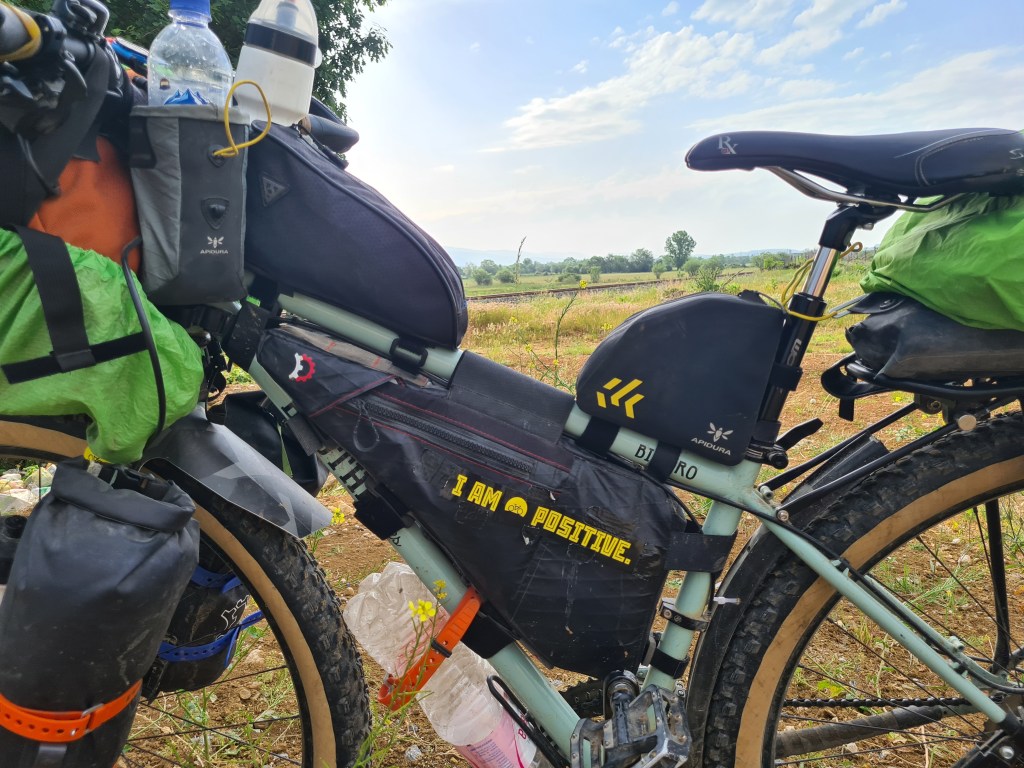
The honorable mention for the post goes to my frame bag. I have a complex relationship with my entire set of bags, and as I've said before, I often think of throwing everything away and getting two red Ortlib bags, but if there's one bag that will stay with me in any configuration, it's this bag. Two compartments, all the space you need for all the equipment you need is available, excellent zippers, doesn't move a millimeter no matter what. Everything a guy needs from a frame bag.
This week's dishonorable mention goes to my cell phone, a Samsung S20. Now, it's not like it doesn't have some good qualities. His camera is not bad at all, and the fact that it has a 3X optical zoom actually allowed me to give up the camera I took, and send it back to Israel. The quick access to the camera (double click on the power off key) together with the quick release from my quite good cell phone holder (which will also receive a mention later) allows me to take a picture of anything at a short notice. The slot for the SD card is also no small thing these days, and allows me not to think too much about taking as many photos as I want, without having to worry about how much space I have left on the phone, and when I need to clean it.
But first of all, since it's a Samsung, it's full of crapware (my goodness, they're even worse than Xiaomi), the screen doesn't fit glass protectors (silicone protectors aren't great), and most of all, the battery, the battery. Due to its many pixels, and the fact that I need it a lot for navigation and podcasts, it eats battery like a pig, and in light of the fact that electricity is not always something available to me, it's a problem. I carry three 10,000MA mobile chargers, and the longest I've been able to carry without charging, even with battery saver mode used, is five days. It's nothing, and the most annoying thing is that, as in the case of the mattress, I had a better option in hand, but we won't go into that.
What next?
So, as mentioned, from here I go to Kotor, and from there to the mountains again, to Sarajevo. Right now I'm unusually relatively in my present blog-wise. I left Israel more than a month ago, but in terms of actual travel days, I haven't ridden 30 days yet. If all goes according to plan, I'll cross that threshold around Sarajevo. So unless I have extraordinary things to write about the road to Sarajevo, I hope that in the next post I will get to write a little more about life on the road so far – how I find my way in the world, about everyday life, about the interactions with people, about the deliberations and maybe also a little about what I find it at all. But, once again, no promises.
 יצאתי לשאוף קצת רוח